

Plasmalogens rarely appear on standard lab panels, yet these specialized lipids are quietly essential to the way your brain thinks, remembers, and protects itself from damage. If your levels are low, a structured restoration plan can make a measurable difference. Here are five concrete steps backed by current research.
Step 1: Understand Why Plasmalogens Matter More Than You Think
Plasmalogens are not just another lipid floating through your bloodstream. They are ether phospholipids defined by a characteristic vinyl-ether bond at the sn-1 position of their glycerol backbone, and that bond is precisely what gives them unique antioxidant power. When reactive oxygen species attack a cell membrane, plasmalogens sacrifice that bond to neutralize the threat—acting as a built-in shield for neurons.
These molecules account for approximately 15–20% of the phospholipid composition in human tissue membranes. In the brain specifically, they are concentrated in neuronal membranes where they participate in membrane fusion, ion transport, vesicle formation, and cholesterol regulation.
The clinical relevance is hard to overstate. Circulating plasmalogen levels decline with age, and they decline even further in people with Alzheimer’s disease and mild cognitive impairment (MCI). Researchers have observed that AD patients exhibit lower levels of plasmalogen species—particularly those containing DHA—in both red blood cells and plasma compared with healthy controls. This correlation between depleted plasmalogens and cognitive severity has been documented across multiple studies.
What Happens When Levels Drop
- Oxidative stress accelerates: Without their sacrificial antioxidant role, neuronal membranes become vulnerable to lipid peroxidation.
- Synaptic signaling weakens: Plasmalogens facilitate neurotransmitter release and receptor function at the synapse.
- Amyloid pathology may worsen: Plasmalogen deficiency is associated with increased deposition of amyloid-beta plaques, a hallmark of Alzheimer’s disease.
- Inflammation increases: Depleted plasmalogens reduce the brain’s capacity to modulate neuroinflammation.
Step 2: Get Your Levels Tested
You cannot fix what you cannot measure. Unlike cholesterol or blood glucose, plasmalogen levels are not part of routine lab work, but specialized blood panels now exist to quantify them.
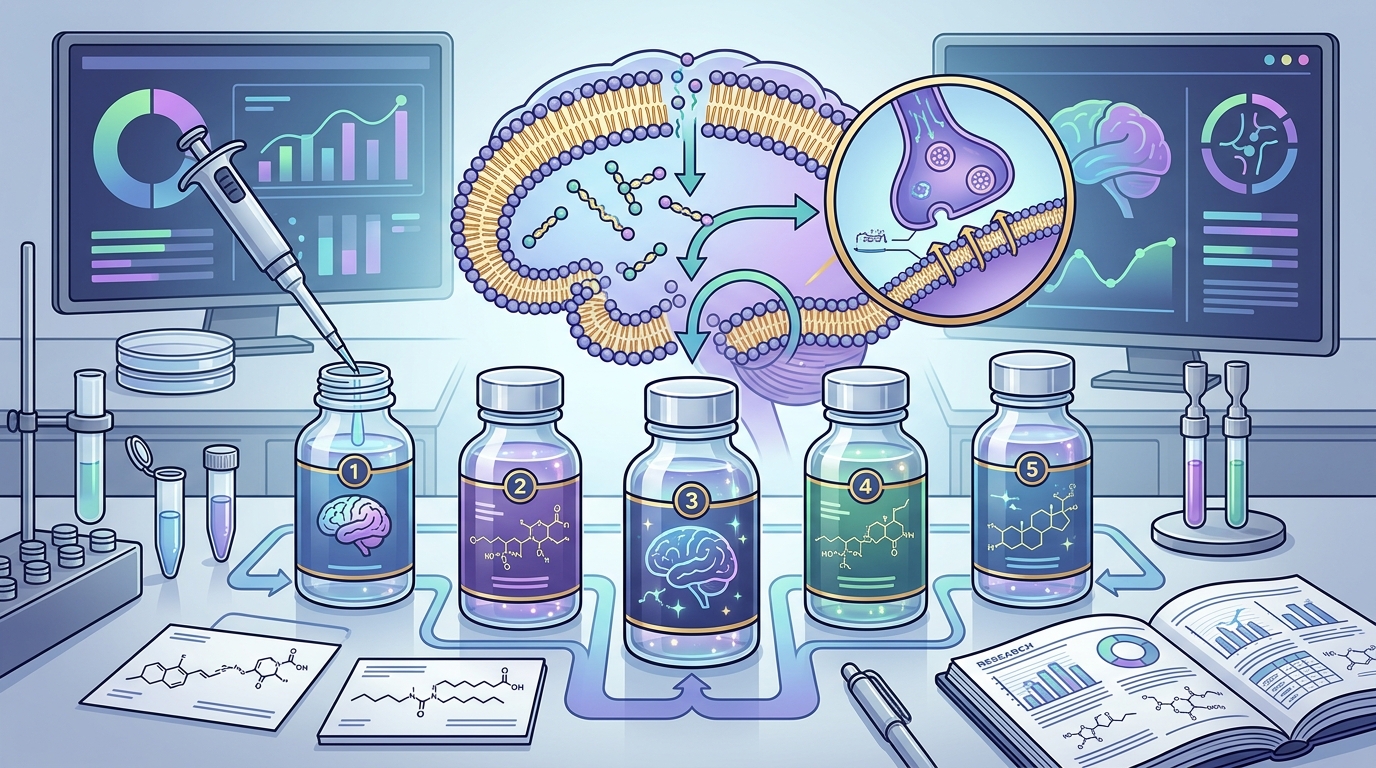
What to Look For in a Plasmalogen Test
- Serum ethanolamine plasmalogens (PlsEtn): These are the most studied markers. Decreased circulating levels mirror decreases in the brain and correlate with dementia severity.
- DHA-containing plasmalogen species: DHA plasmalogens are particularly relevant because decreased blood and brain levels of DHA-containing plasmalogens are associated with decreased cognition and neuromuscular function.
- Peroxisomal function indicators: Since plasmalogen synthesis begins in peroxisomes, markers of peroxisomal health can hint at root-cause production problems.
Prodrome offers testing resources designed to give you a clear picture of your plasmalogen status. Having a baseline measurement lets you and your healthcare provider set a targeted supplementation plan rather than guessing at dosage.
Step 3: Choose the Right Plasmalogen Supplement
Not all plasmalogen products are created equal. The type of molecule, its bioavailability, and the dose all determine whether supplementation actually raises your circulating levels.
Plasmalogen Precursors vs. Intact Plasmalogens
There are two primary supplement approaches on the market:
- Intact plasmalogens – typically derived from marine sources such as scallops or ascidians. These deliver the finished plasmalogen molecule but face bioavailability challenges because the vinyl-ether bond can degrade during digestion.
- Plasmalogen precursors (e.g., DHA-AAG) – these alkyl-diacylglycerol compounds bypass part of the biosynthesis pathway. Clinical evidence shows that DHA-AAG administration dose-dependently increases blood DHA plasmalogens and provides neuroprotection in animal models at doses between 10 and 50 mg/kg.
Why Prodrome’s Approach Stands Out
Prodrome’s plasmalogen supplements are formulated around the research pioneered by Dr. Dayan Goodenowe, a biochemist who has spent decades studying the relationship between plasmalogen biology and neurodegeneration. The formulations use plasmalogen precursor science designed for effective oral absorption and measurable increases in circulating plasmalogen levels.
In an investigational clinical trial with 22 cognitively impaired participants, an escalating oral dosing regimen of DHA-AAG from 900 to 3,600 mg/day over four months showed that DHA plasmalogen levels increased with dose and remained significantly elevated throughout treatment. Cognition improved in nine participants, was unchanged in nine, and declined in four. Mobility improved in twelve. The supplement was well tolerated at all dosages with no adverse reactions observed.
Dose Considerations
Earlier trials using very low doses of intact plasmalogens (1 mg twice daily from scallop sources) produced limited cognitive improvements overall, though a subgroup of female patients with mild AD showed significant memory gains. More recent precursor-based protocols use substantially higher effective doses, and emerging evidence suggests this dosing approach produces more consistent plasmalogen elevation in the blood.
Step 4: Support Your Body’s Own Plasmalogen Production
Supplementation is the most direct route, but your body also synthesizes plasmalogens endogenously. Supporting that internal production amplifies results.
Peroxisomal Health Is the Bottleneck
Plasmalogen biosynthesis begins inside peroxisomes—small organelles present in nearly every cell. Decreased peroxisome function is considered a key factor underlying the decline in circulating plasmalogens with aging and neurodegenerative diseases. Anything that supports peroxisomal integrity helps your body make more plasmalogens on its own.
Practical Lifestyle Strategies
| Strategy | How It Helps |
|---|---|
| Aerobic exercise | Stimulates peroxisome proliferator-activated receptors (PPARs), which upregulate peroxisomal enzymes involved in plasmalogen synthesis. |
| Omega-3-rich diet | Provides DHA and EPA, the polyunsaturated fatty acids that plasmalogens incorporate at the sn-2 position. Wild-caught fatty fish, algae-based omega-3 supplements, and pastured eggs are practical sources. |
| Intermittent fasting | Autophagy triggered during fasting periods may clear damaged peroxisomes and promote the biogenesis of healthy ones. |
| Antioxidant-rich foods | Reducing systemic oxidative stress protects existing plasmalogens from premature degradation via their vulnerable vinyl-ether bond. |
| Limiting alcohol | Chronic alcohol consumption impairs peroxisomal function and accelerates plasmalogen loss. |
Complementary Nutrients Worth Considering
Some research suggests that combining plasmalogen supplementation with phosphatidylcholine and oleic acid may enhance outcomes. Cell studies have shown this combination reduces amyloid plaque and tau protein markers, though clinical trials in humans have not yet confirmed this synergy.
Step 5: Track Progress and Adjust
Restoring plasmalogen levels is not an overnight process. Most clinical protocols span at least three to four months before meaningful changes in blood markers appear.
What to Monitor
- Repeat blood plasmalogen panels at 90-day intervals to confirm levels are rising.
- Cognitive assessments: Standardized tools such as the Montreal Cognitive Assessment (MoCA) or the Alzheimer’s Disease Assessment Scale–Cognitive Subscale (ADAS-Cog) can quantify changes in memory, attention, and executive function.
- Oxidative stress biomarkers: In the DHA-AAG clinical trial, supplementation normalized catalase activity in participants with low baseline levels and normalized malondialdehyde (MDA)—a lipid peroxidation marker—in those with elevated baseline MDA.
- Functional improvements: Many people notice changes in everyday tasks—word retrieval, multitasking, mood stability—before lab markers shift dramatically.
When to Revisit Your Protocol
If after four months blood plasmalogen levels have not increased meaningfully, work with your healthcare provider to evaluate peroxisomal function, check for underlying inflammatory conditions, and consider adjusting dosage or formulation.
Key Takeaways
- Plasmalogens are critical phospholipids that decline with age and are further depleted in Alzheimer’s and MCI, directly impacting cognition and neuroprotection.
- Specialized blood testing can quantify your plasmalogen status and guide targeted intervention.
- Plasmalogen precursor supplements (such as those offered by Prodrome) have shown dose-dependent increases in blood plasmalogen levels and improvements in cognition and mobility in clinical studies.
- Lifestyle factors—exercise, omega-3 intake, fasting, and reducing oxidative stress—support your body’s endogenous plasmalogen production by keeping peroxisomes healthy.
- Consistent tracking over 90-day cycles is essential to confirm your protocol is working and make evidence-based adjustments.
Frequently Asked Questions
What causes plasmalogen deficiency?
Plasmalogen deficiency results from two main factors: reduced synthesis and accelerated degradation. Synthesis declines because peroxisomal function deteriorates with age. Degradation increases due to oxidative stress, chronic inflammation, and conditions that elevate reactive oxygen species. Neurodegenerative diseases like Alzheimer’s involve both mechanisms simultaneously.
Can diet alone restore plasmalogen levels?
Diet provides the raw materials—particularly DHA and other omega-3 fatty acids—but does not directly supply plasmalogens in clinically meaningful quantities. Seafood like scallops and mussels contain small amounts of intact plasmalogens, yet the doses are far below what clinical trials have used. Targeted supplementation with plasmalogen precursors is currently the most reliable way to raise circulating levels.
Are plasmalogen supplements safe?
Clinical data indicates a clean safety profile. In the 328-patient Fujino trial, no difference in side effects was reported between plasmalogen and placebo groups over 24 weeks. DHA-AAG precursor supplementation at doses up to 3,600 mg/day was well tolerated with no adverse reactions in a separate trial. Those with shellfish allergies should check sourcing, as some supplements are marine-derived.
How long until I notice cognitive improvements?
Most clinical protocols run three to four months before assessing cognitive outcomes. Some individuals report subjective improvements in mental clarity and word recall within weeks, but measurable changes on standardized cognitive scales typically require consistent supplementation over at least 90 days.
How is Prodrome different from other plasmalogen brands?
Prodrome’s supplements are formulated around plasmalogen precursor science developed by Dr. Dayan Goodenowe, whose research has been published in peer-reviewed journals and tested in clinical trials. Rather than relying solely on intact plasmalogens from marine extracts, Prodrome uses precursor compounds designed for reliable oral bioavailability and measurable increases in blood plasmalogen levels.