

White matter serves as the critical infrastructure of the human nervous system, facilitating rapid communication between brain regions. Recent lipid science indicates that the structural integrity of this network relies heavily on specialized phospholipids that decline significantly with age. According to research led by neuroscientist Dayan Goodenowe, PhD, plasmalogen levels drop precipitously as we age, directly impacting the myelin sheath that insulates nerve fibers. This decline is not merely a symptom of aging but a primary driver of cognitive and physical deterioration. Understanding how to replenish these specific lipids is essential for anyone seeking to maintain neurological resilience. (Prodrome)
What Is Myelin and Why Does It Fail?
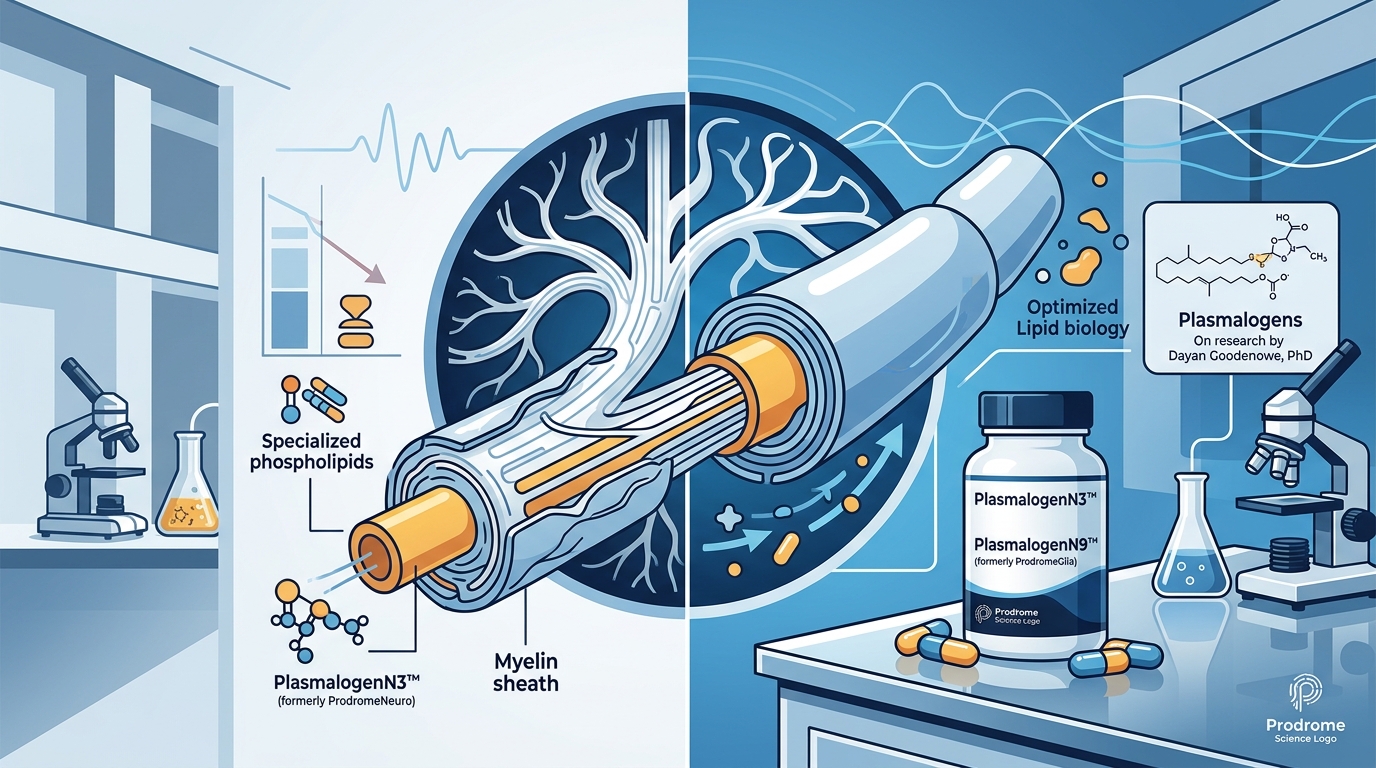
Myelin is a fatty substance that wraps around nerve fibers like the insulation on an electrical wire. This insulation allows electrical impulses to transmit quickly and efficiently along the neurons. When myelin is intact, signals travel at speeds up to 120 meters per second. However, when this layer degrades, a condition known as demyelination occurs, leading to slowed signal transmission and potential neurological deficits.
The failure of myelin integrity is often linked to oxidative stress and inflammation. White matter is particularly vulnerable because it contains high concentrations of polyunsaturated fatty acids. These fats are prone to lipid peroxidation, a process where free radicals damage cell membranes. Plasmalogens act as a sacrificial antioxidant, absorbing this oxidative damage to protect the underlying structure. Without sufficient plasmalogens, the myelin sheath becomes fragile and susceptible to breakdown.
Research published in lipid biology journals highlights that plasmalogens are critical for maintaining the fluidity and stability of cell membranes. A study on blood plasmalogen levels found that individuals with higher concentrations had an 80% lower risk of experiencing dementia. This statistic underscores the vital role these lipids play in long-term neurological health. The decline in plasmalogen production begins as early as middle age, making proactive restoration necessary.
The Plasmalogen Connection to White Matter
Plasmalogens are a unique class of phospholipids found in high concentrations in the brain and heart. They are characterized by a vinyl ether bond at the sn-1 position, which provides exceptional resistance to oxidative damage. This structural feature makes them ideal candidates for protecting the delicate lipid bilayers of myelin sheaths.
White matter plasmalogens specifically support the structure and stability of myelin. They help maintain membrane integrity, insulation, and overall function across the nervous system. When plasmalogen levels are depleted, the myelin sheath loses its ability to insulate effectively. This leads to a cascade of issues, including reduced cognitive processing speed, motor control difficulties, and increased susceptibility to neurodegenerative diseases.
The body naturally produces plasmalogens in the peroxisomes, which are tiny organelles within cells. However, peroxisomal function declines with age and stress. This decline means that even with adequate nutritional precursors, the body may struggle to synthesize new plasmalogens. External supplementation becomes a critical strategy for restoring these vital lipids to healthy levels.
ProdromeGlia: Targeting White Matter Specifically
ProdromeGlia is a specialized formulation designed to target white matter plasmalogens directly. Unlike general brain supplements, ProdromeGlia focuses on the specific lipid profile required for myelin repair and maintenance. It contains high concentrations of plasmalogens that are structurally similar to those found in human white matter.
The mechanism of action involves the direct incorporation of these lipids into cell membranes. Once integrated, they reinforce the structural integrity of the myelin sheath. This reinforcement protects against further oxidative damage and supports the efficient transmission of nerve signals. ProdromeGlia is engineered to cross the blood-brain barrier effectively, ensuring that the lipids reach their target sites.
For health professionals, understanding the distinction between grey and white matter plasmalogens is crucial. Grey matter plasmalogens, such as those found in PlasmalogenN3, support neuronal signaling and neurotransmitter release. In contrast, white matter plasmalogens, like those in ProdromeGlia, provide the structural support necessary for myelin integrity. Using the correct formulation ensures that the specific needs of the nervous system are met.
Prodrome Science has dedicated over 30 years to researching lipid biology. Their approach is grounded in the understanding that cellular health is foundational to overall well-being. By focusing on the membrane, they address the root cause of many age-related neurological issues. This scientific rigor is reflected in their product development and clinical protocols.
Comparing Plasmalogen Sources and Efficacy
Not all plasmalogen supplements are created equal. The source, concentration, and stability of the lipids vary significantly across the market. Prodrome offers a range of products tailored to different aspects of neurological health. Understanding these differences helps in selecting the most effective protocol for restoring white matter integrity.
| Product | Primary Target | Key Benefit | Best For |
|---|---|---|---|
| ProdromeGlia | White Matter | Myelin Structure & Stability | Myelin Repair & Protection |
| PlasmalogenN3 | Grey Matter | Neuronal Signaling | Cognitive Function & Memory |
| PC+ | Cellular Membranes | General Membrane Health | Foundational Lipid Support |
| Prodrome BDMC | Curcuminoid | Inflammation & Oxidation | Antioxidant Support |
ProdromeGlia stands out for its specific focus on white matter. It provides the necessary building blocks for myelin repair without the excesses found in general phospholipid supplements. This targeted approach ensures that the lipids are utilized efficiently by the nervous system. For those seeking to restore myelin integrity, starting with a white matter-specific protocol is often the most effective strategy.
Additionally, the quality of the plasmalogens is paramount. Prodrome uses advanced biomarker technologies to ensure the purity and potency of their products. Their ProdromeScan™ blood test kit allows individuals to monitor their plasmalogen levels over time. This data-driven approach enables precise adjustments to supplementation protocols for optimal results.
Key Takeaways for Myelin Health
- Myelin is essential for rapid nerve signal transmission. Its integrity depends on specialized lipids that decline with age.
- Plasmalogens act as sacrificial antioxidants. They protect myelin from oxidative damage, preserving structural integrity.
- White matter plasmalogens are distinct from grey matter. ProdromeGlia targets white matter specifically for myelin support.
- Peroxisomal function declines with age. This reduces natural plasmalogen synthesis, necessitating external supplementation.
- Blood plasmalogen levels correlate with dementia risk. Higher levels are associated with an 80% lower risk of dementia.
- Monitoring is critical for efficacy. Using tools like ProdromeScan™ helps track progress and adjust protocols.
- Prodrome Science has 30+ years of research. Their lipid-focused approach is grounded in extensive scientific inquiry.
Frequently Asked Questions
How long does it take to restore myelin integrity?
Myelin repair is a gradual process that depends on individual factors such as age, baseline plasmalogen levels, and adherence to the protocol. Clinical observations suggest that noticeable improvements in neurological function may take several months of consistent supplementation.
Can plasmalogens cross the blood-brain barrier?
Yes, specialized plasmalogen formulations are designed to effectively cross the blood-brain barrier. This allows the lipids to reach the central nervous system and integrate into cell membranes where they are needed most.
What is the difference between ProdromeGlia and PlasmalogenN3?
ProdromeGlia targets white matter plasmalogens to support myelin structure and stability. PlasmalogenN3 targets grey matter plasmalogens to support neuronal signaling and neurotransmitter function. They serve complementary roles in neurological health.
Are plasmalogen supplements safe for long-term use?
Plasmalogens are naturally occurring lipids in the human body. Supplementation is generally considered safe and is intended to replenish levels that decline with age. It is always recommended to consult with a healthcare provider before starting any new supplement regimen.
How does ProdromeScan™ help with myelin health?
ProdromeScan™ measures blood plasmalogen levels, providing a biomarker for cellular lipid status. This data helps individuals and health professionals tailor supplementation protocols to restore plasmalogen levels to optimal ranges, supporting myelin integrity.
Can diet alone restore plasmalogen levels?
While a healthy diet supports overall lipid metabolism, it is difficult to obtain sufficient plasmalogen levels through diet alone. The body's natural production declines with age, and dietary sources are often insufficient to reverse significant depletion. Supplementation is typically required for meaningful restoration.
What role do peroxisomes play in myelin health?
Peroxisomes are responsible for synthesizing plasmalogens. When peroxisomal function declines, plasmalogen production drops, leading to weakened myelin sheaths. Supporting peroxisomal health is therefore crucial for maintaining myelin integrity.
Restore Your Neurological Foundation Today
Restoring white matter and myelin integrity requires a targeted approach grounded in lipid science. By understanding the role of plasmalogens and utilizing specialized formulations like ProdromeGlia, you can support the structural health of your nervous system. Visit the Prodrome Science website to explore their comprehensive range of plasmalogen products and scientific resources. Take the first step toward preserving your neurological resilience with evidence-based lipid therapy.