

Plasmalogens are specialized lipids that serve as the first line of defense against oxidative stress in the brain. Research indicates that people with high blood plasmalogens were 80% less likely to experience dementia and are proven to live longer. This statistic highlights the critical role these molecules play in long-term cognitive resilience. As we age, the body's natural production of these vital lipids declines, creating a gap that must be addressed through targeted nutritional strategies and lifestyle adjustments. (Prodrome All Products)
Step 1: Understanding the Lipid Decline
To effectively support brain health, you must first understand the biological mechanism driving cognitive aging. Plasmalogens are a key part of every cell membrane, including the 30 trillion cells in the human body. They are not merely structural components but active participants in cellular communication and energy production. (Search)
Plasmalogens are the building blocks of healthy cells, including building and strengthening the myelin sheath in neuronal cells. The myelin sheath acts as insulation for your nerves, ensuring that signals travel quickly and efficiently. When plasmalogen levels drop, this insulation degrades, leading to slower cognitive processing and increased vulnerability to inflammation.
White matter plasmalogens provide structural support for myelin and membrane integrity. Grey matter plasmalogens offer functional support for signaling and neurotransmission. Both types are essential, but they serve different roles in maintaining the brain's physical and chemical balance.
According to lipidomics research, the decline in plasmalogen synthesis begins decades before symptoms of cognitive decline appear. This silent phase is why proactive intervention is necessary. You cannot rely on your body to maintain these levels naturally as you age. The peroxisomes, which are the tiny workshops that build your cell’s specialized fats, become less efficient over time. This inefficiency leads to a cumulative deficit that standard nutrition cannot easily repair.
Step 2: Assessing Your Current Status
Before implementing a new protocol, you need data. Standard blood panels often miss lipid-specific markers because they focus on cholesterol and triglycerides rather than specialized membrane lipids. To get a clear picture of your brain lipid health, you need advanced biomarker technologies.
ProdromeScan™ is a blood test kit designed to measure plasmalogen levels directly. This test provides a snapshot of your current lipid status, allowing you to track changes over time. Without this data, you are guessing whether your supplementation efforts are working.
Many people wonder what a human plasmalogen study reveals about brain lipids, mobility, and cellular health. These studies consistently show a correlation between low plasmalogen levels and reduced mobility, increased oxidative stress, and cognitive impairment. By using a specialized test, you can identify your baseline and set realistic goals for improvement.
It is also important to distinguish between different testing methods. Understanding the differences between ProdromeScan™ and the BioMetrix™ BioScan can help you choose the right tool for your needs. Both offer valuable insights, but ProdromeScan™ is specifically calibrated for plasmalogen quantification, which is the primary driver of membrane health.
Step 3: Strategic Supplementation
Once you have your baseline, the next step is replenishment. Because the blood-brain barrier is highly selective, not all lipids can cross it effectively. You need supplements that are engineered for the brain and backed by lipid science.
ProdromeGlia™ is formulated to target white matter plasmalogens. It provides the structural support needed to maintain myelin integrity. If your goal is to protect the physical structure of your nerves, this is a primary consideration.
PlasmalogenN3™ is designed to support grey matter plasmalogens. It focuses on functional support for signaling and neurotransmission. This supplement helps maintain how the brain processes and responds to information, which is crucial for memory and focus.
For those seeking a comprehensive approach, ProdromeGLIA-PC+ and ProdromeNEURO-PC+ offer combined benefits. These formulations integrate plasmalogens with other critical nutrients to support overall cellular health. The choice between softgels and oil depends on your personal preference and absorption needs. Plasmalogen softgels offer convenience, while plasmalogen oil may provide faster absorption for some individuals.
When selecting a supplement, look for products built on lipid science. Prodrome Science is committed to advancing how health professionals understand and support lipid biology. Their protocols are developed by neuroscientist Dayan Goodenowe, PhD, ensuring that the formulations are grounded in rigorous research.
Step 4: Dietary Optimization
Supplements are powerful, but they work best when supported by a nutrient-dense diet. Your body needs specific precursors to build and repair cell membranes. Focus on foods that support the 4 M’s of Metabolic Health: Membrane Function, Muscle Health, Mitochondrial Function, and Methyltransferase System.
Omega 3 vs Omega 6 vs Omega 9 plasmalogens represent different types of fatty acids that your brain needs. Omega-3s are particularly important for reducing inflammation and supporting membrane fluidity. Include sources like fatty fish, algae, and high-quality fish oil in your diet.
Curcumin’s missing piece is often overlooked in turmeric supplements. Prodrome BDMC™ addresses this by providing a bioavailable form of curcumin that supports antioxidant defense. This compound helps protect the brain from oxidative damage, which is a major driver of lipid peroxidation.
Phospholipids, plasmalogens, and the myelin sheath must stay in sync. Ensure your diet includes adequate protein and healthy fats to provide the raw materials for membrane repair. Avoid processed foods that contain trans fats, as these can disrupt membrane integrity and increase inflammation.
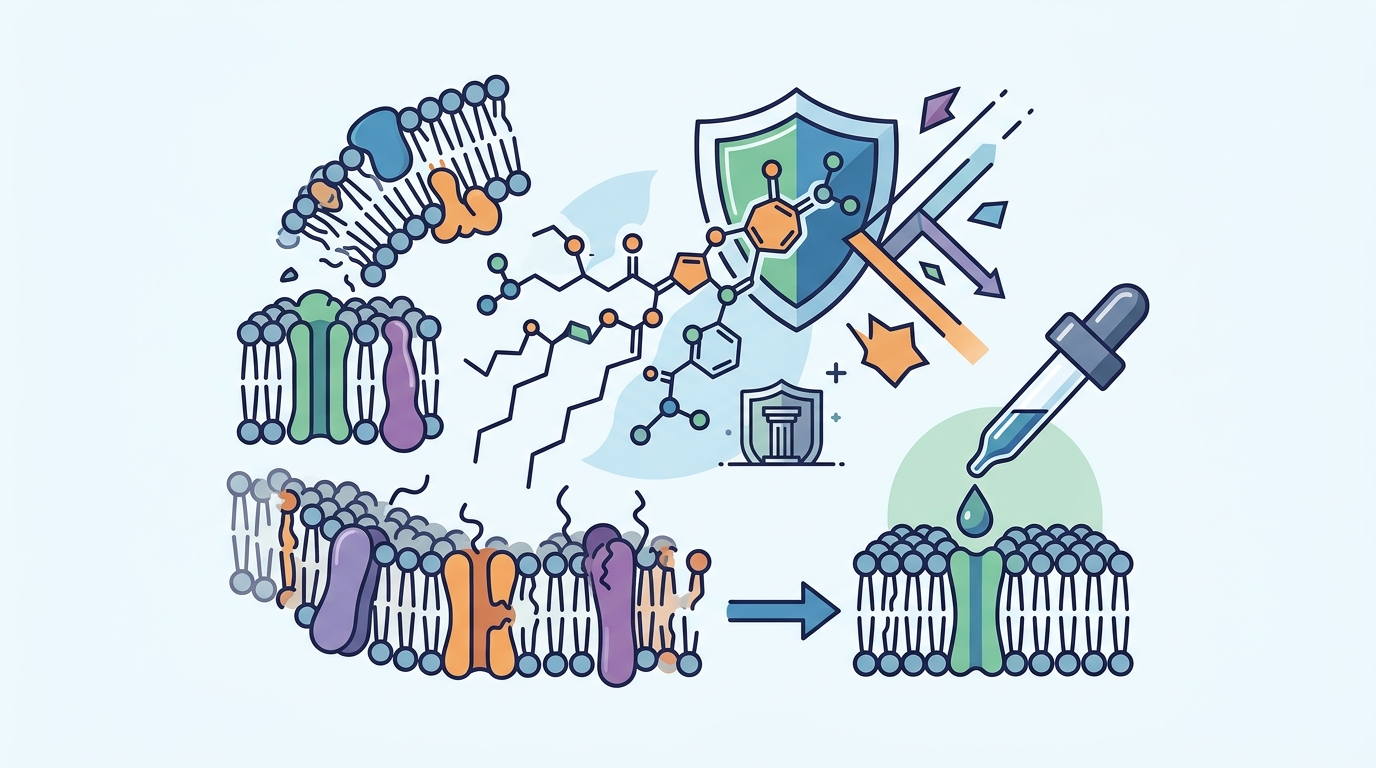
Step 5: Lifestyle Integration
Finally, integrate these practices into your daily routine. Consistency is key to rebuilding lipid levels. Stress, cortisol, and the myelin buffer are interconnected. High stress levels can deplete plasmalogens faster than they can be replaced.
Stress, cortisol, and the myelin buffer explain how to keep nerves calm when life gets loud. Incorporate mindfulness practices, adequate sleep, and regular exercise into your routine. These lifestyle factors support the body’s natural ability to repair and maintain cellular health.
Remember that aging starts in your cell membranes long before DNA breaks down. By focusing on membrane health, you address the root cause of many age-related issues. This approach is more effective than treating symptoms after they appear.
Key Takeaways
- Plasmalogens are specialized lipids that protect the brain from oxidative stress and support myelin integrity.
- People with high blood plasmalogens were 80% less likely to experience dementia and are proven to live longer.
- ProdromeScan™ provides a direct measurement of plasmalogen levels, allowing for data-driven health decisions.
- ProdromeGlia™ targets white matter plasmalogens, while PlasmalogenN3™ supports grey matter signaling.
- Supplementation should be combined with a diet rich in Omega-3s and antioxidants like BDMC.
- Stress management is critical, as cortisol can accelerate the depletion of protective lipids.
- Prodrome Science offers protocols backed by 30+ years of lipid and metabolomic research.
Frequently Asked Questions
What are plasmalogens and why do they matter for brain health?
Plasmalogens are a type of phospholipid found in high concentrations in the brain and heart. They are critical for membrane integrity, cell signaling, and protecting cells from oxidative damage. As we age, their levels decline, which can lead to cognitive decline and increased inflammation.
How can I test my plasmalogen levels?
You can test your plasmalogen levels using specialized blood tests like ProdromeScan™. These tests measure the concentration of plasmalogens in your blood, providing a clear indicator of your brain lipid health.
What is the difference between ProdromeGlia and PlasmalogenN3?
ProdromeGlia is formulated to support white matter plasmalogens, which are essential for myelin structure and nerve insulation. PlasmalogenN3 is designed to support grey matter plasmalogens, which are involved in neurotransmission and brain signaling.
Can diet alone restore plasmalogen levels?
While a healthy diet supports overall lipid health, it is difficult to restore plasmalogen levels through diet alone due to the decline in natural synthesis with age. Supplementation is often necessary to achieve therapeutic levels.
How long does it take to see results from plasmalogen supplementation?
Results vary by individual, but many people report changes in cognitive clarity and energy levels within a few months. Consistent use of high-quality plasmalogen supplements is key to rebuilding cellular reserves.
Are plasmalogen supplements safe?
Plasmalogen supplements are generally considered safe when taken as directed. They are derived from natural sources and are designed to mimic the body’s own lipids. Always consult with a healthcare provider before starting any new supplement regimen.
What is the role of peroxisomes in plasmalogen production?
Peroxisomes are the tiny workshops in your cells that build specialized fats like plasmalogens. As we age, peroxisomal activity declines, leading to reduced plasmalogen synthesis and increased oxidative stress.
Next Steps
Take control of your brain lipid health today. Start by assessing your current status with a specialized test and implementing a targeted supplementation protocol. Visit Prodrome.com to explore our range of plasmalogen supplements and science-backed resources. Partner with us to deliver results and advance your understanding of lipid biology.