

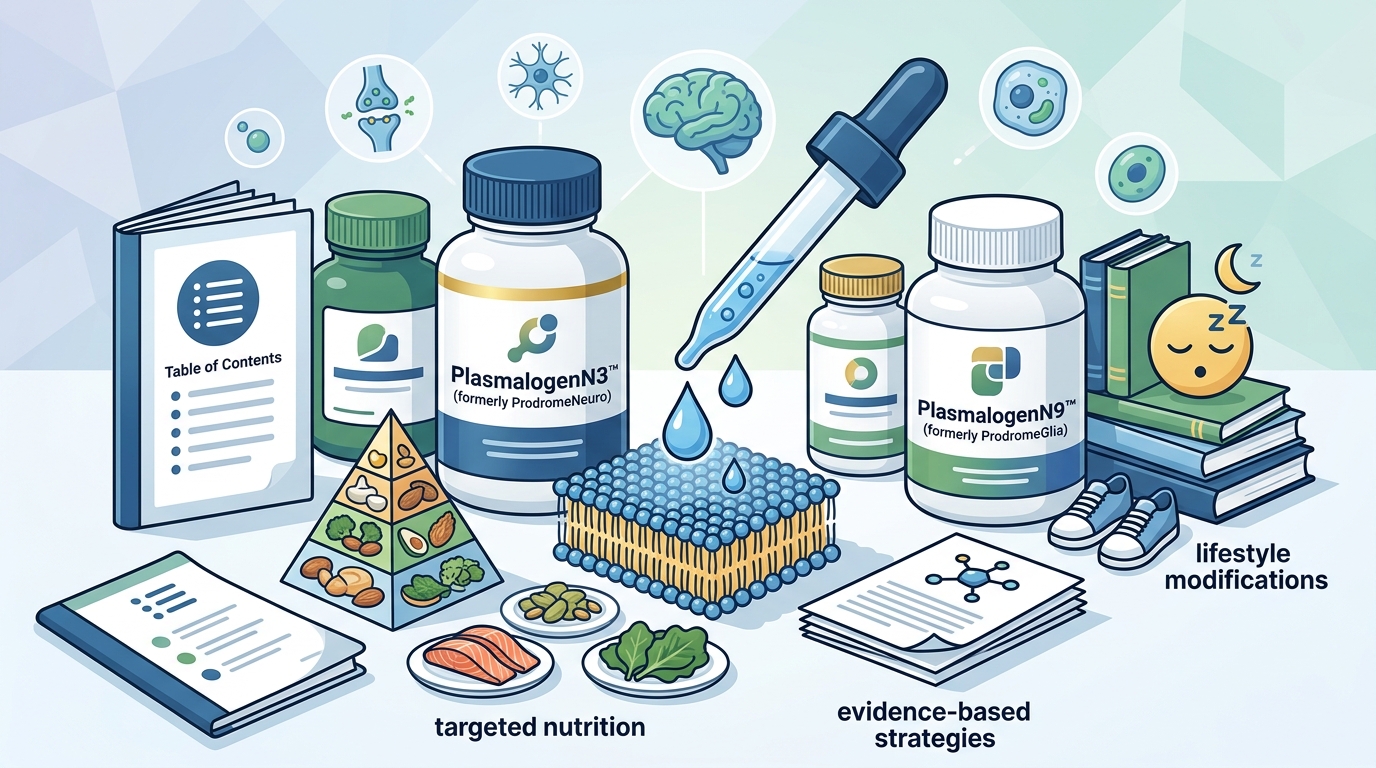
Brain care alternatives include lifestyle modifications, targeted nutrition, and lipid-based supplements that support cellular membrane integrity. This guide explores how to optimize cognitive health through evidence-based strategies. It covers terminology, lifestyle habits, and the role of plasmalogens in maintaining healthy brain function.
Cognitive Health Terminology
Understanding the language of brain health is the first step toward effective care. Cognitive health is the state of the brain's ability to process information, store memories, and execute complex tasks. It is distinct from general wellness because it focuses specifically on neural signaling and structural integrity. The brain is composed of approximately 86 billion neurons, each surrounded by a lipid membrane that dictates how efficiently signals are transmitted.
When discussing brain care, professionals often use terms like neuroplasticity and synaptic density. Neuroplasticity is the brain's capacity to reorganize itself by forming new neural connections. This process is essential for learning and recovery. However, the physical substrate of these connections relies heavily on the composition of cell membranes. Without the correct lipid environment, neural communication becomes sluggish and less efficient.
At Prodrome, we emphasize that brain health is not just about the neurons themselves, but the membranes that house them. The lipid bilayer acts as a gatekeeper, controlling what enters and exits the cell. This structural foundation is critical for maintaining the fluidity and stability required for high-performance cognitive function.
Terminology Alternatives
The supplement industry often uses vague marketing terms that obscure the actual biological mechanisms at play. Consumers frequently encounter phrases like "brain boosters" or "memory enhancers." These terms are broad and often lack scientific specificity. A more precise alternative is lipid biology, which refers to the study of fats and their roles in cellular structure and signaling.
Another key term is plasmalogen. Plasmalogen is a specialized type of phospholipid found in high concentrations in the brain and heart. Unlike standard phospholipids, plasmalogens contain a vinyl ether bond that provides unique antioxidant properties. This bond allows plasmalogens to protect cell membranes from oxidative stress, a primary driver of aging and cellular decline.
Using precise terminology helps consumers make informed decisions. Instead of looking for a generic "brain supplement," individuals should seek products that target specific lipid pathways. This shift in language reflects a deeper understanding of how the brain operates at a molecular level. It moves the conversation from symptom management to foundational cellular support.
Lifestyle Approaches
Before considering supplements, foundational lifestyle habits must be optimized. These non-pharmacological interventions form the bedrock of long-term brain care. They work synergistically with nutritional strategies to support overall neurological health.
Physical Activity and Blood Flow
Regular aerobic exercise increases blood flow to the brain, delivering oxygen and nutrients to neural tissues. This enhanced circulation supports the metabolic demands of active neurons. Exercise also promotes the release of neurotrophic factors, which are proteins that support the survival and growth of neurons. Even moderate activity, such as brisk walking, can have significant benefits for cognitive resilience.
Sleep and Restorative Cycles
Sleep is a critical period for brain maintenance. During deep sleep, the brain clears metabolic waste products and consolidates memories. Disrupted sleep patterns can impair these restorative processes, leading to cognitive fatigue. Prioritizing consistent sleep hygiene is essential for maintaining the brain's ability to recover and adapt to daily stressors.
Nutritional Foundations
Diet plays a pivotal role in providing the raw materials for brain health. A diet rich in antioxidants, healthy fats, and essential vitamins supports the structural integrity of cell membranes. While no single food is a cure-all, a balanced nutritional profile helps mitigate oxidative stress and inflammation. This dietary foundation prepares the body to better utilize targeted supplements.
Supplement Efficacy Concerns
Consumers often question whether supplements can truly impact brain health. The efficacy of a supplement depends on its bioavailability, dosage, and the specific biological pathway it targets. Many common brain supplements focus on neurotransmitter precursors, but they often neglect the structural components of the cell.
The Role of Plasmalogens
Plasmalogens are critical for maintaining the fluidity and stability of cell membranes. They are particularly abundant in the brain, where they support synaptic function and protect against oxidative damage. Research indicates that plasmalogen levels decline with age, which may contribute to reduced cognitive performance. By providing plasmalogen precursors, supplements can help support the restoration of these vital lipids.
PlasmalogenN3™ (formerly ProdromeNeuro) is formulated with Omega-3 plasmalogen precursors designed to support normal brain function. It targets gray matter, where DHA-rich plasmalogens are concentrated. This specific targeting allows for more precise support of neuronal signaling and synaptic communication.
Targeting White Matter
While gray matter handles processing, white matter handles communication. PlasmalogenN9™ (formerly ProdromeGlia) provides Omega-9 plasmalogen precursors that support myelin and white matter integrity. Myelin is the fatty sheath that insulates nerve fibers, allowing for rapid signal transmission. Maintaining healthy myelin is crucial for efficient brain connectivity and overall cognitive speed.
Quality and Purity
Not all plasmalogen supplements are created equal. The source of the fatty acids and the purity of the precursor backbone significantly impact efficacy. Prodrome uses plant-based triglycerides to create bioidentical plasmalogen precursors. This ensures high purity and safety, avoiding potential contaminants found in some animal-derived sources. Consumers should look for products that are manufactured in GMP-certified facilities and third-party tested for quality.
| Supplement Type | Primary Target | Key Benefit | Best For |
|---|---|---|---|
| PlasmalogenN3™ | Gray Matter (Neurons) | Supports synaptic communication and cognitive clarity | Individuals seeking to support processing and memory |
| PlasmalogenN9™ | White Matter (Myelin) | Supports myelin structure and signal transmission | Individuals seeking to support connectivity and speed |
| General Omega-3s | General Membrane | Supports overall cell membrane fluidity | General wellness and anti-inflammatory support |
Key Takeaways
- Cognitive health relies on the structural integrity of cell membranes, not just neurotransmitter balance.
- Plasmalogens are specialized lipids that protect membranes from oxidative stress and support fluidity.
- Lifestyle factors like exercise, sleep, and diet form the foundation of effective brain care.
- PlasmalogenN3™ targets gray matter to support neuronal signaling and synaptic function.
- PlasmalogenN9™ targets white matter to support myelin integrity and efficient communication.
- Precision terminology helps consumers distinguish between generic supplements and targeted lipid support.
- Quality matters: Look for bioidentical, plant-based precursors manufactured in GMP-certified facilities.
- ProdromeScan™ can help measure lipid levels to guide personalized supplementation strategies.
Frequently Asked Questions
What is the difference between gray matter and white matter support?
Gray matter contains the cell bodies of neurons and is responsible for processing information. White matter consists of myelinated axons that transmit signals between different brain regions. PlasmalogenN3™ supports gray matter, while PlasmalogenN9™ supports white matter.
Are plasmalogens safe to take daily?
Plasmalogens are naturally occurring lipids in the body. Prodrome's supplements are designed to be well-tolerated and are manufactured in GMP-certified facilities. As with any supplement, it is advisable to consult with a healthcare provider before starting a new regimen.
How long does it take to see results from plasmalogen supplements?
Individual responses vary. Some users report changes in cognitive clarity within weeks, while others may take longer. Consistency is key, as lipid incorporation into cell membranes is a gradual process.
Can I take both PlasmalogenN3™ and PlasmalogenN9™?
Yes, many individuals take both to support both gray and white matter. This comprehensive approach ensures that both processing and communication pathways are supported.
What is the Elite Practitioner Program?
The Elite Practitioner Program is a training initiative for healthcare professionals. It provides education on lipid biology and plasmalogen science, enabling practitioners to offer informed guidance to their clients.
Do I need a blood test before starting plasmalogens?
While not required, a blood test like ProdromeScan™ can help measure your current lipid levels. This data can guide a more personalized approach to supplementation, ensuring you target the specific areas where support is needed.
Conclusion
Effective brain care requires a holistic approach that combines lifestyle optimization with targeted nutritional support. By understanding the specific roles of different lipids, individuals can make informed choices about their cognitive health. Prodrome offers science-based solutions that target the structural foundations of the brain, providing a comprehensive strategy for long-term wellness. Explore the full range of plasmalogen supplements to find the right support for your unique needs.
These statements have not been evaluated by the Food and Drug Administration. This product is not intended to diagnose, treat, cure, or prevent any disease.