

Plasmalogen is a specialized ether phospholipid that constitutes roughly twenty percent of all brain membrane lipids. Clinical data shows that average plasmalogen levels decline by nearly thirty percent after age fifty, directly correlating with accelerated memory loss and reduced neural plasticity. Restoring these critical molecules requires a structured approach that combines precise laboratory testing, targeted nutritional interventions, and consistent lifestyle modifications. This guide outlines the exact clinical pathway to reverse deficiency and optimize long-term neurological performance.
Understanding the Plasmalogen Mechanism
Cognitive decline is the progressive reduction in memory, reasoning, and executive function that typically accelerates after age fifty. Plasmalogens serve as the primary antioxidant defense within neuronal cell membranes. They protect delicate brain tissue from oxidative stress and lipid peroxidation. When these molecules deplete, neurons lose structural integrity and communication efficiency. This degradation directly impairs synaptic transmission and long-term potentiation. Restoring plasmalogen levels requires understanding their unique biochemical structure. The vinyl ether bond at the sn-1 position provides exceptional resistance to free radical damage. This structural advantage makes them indispensable for maintaining cognitive resilience. Functional medicine protocols prioritize early detection and proactive restoration. Our clinical team at biomarker testing specializes in mapping these exact lipid pathways to your unique metabolic profile.
Clinical Biomarker Testing Protocols
Biomarker testing is a clinical laboratory process that measures specific biological indicators to track metabolic health and neurological status. Standard lipid panels completely miss plasmalogen concentrations. You must request specialized ether phospholipid assays to establish a baseline. These tests measure total plasmalogen ratios and specific choline ether fractions. Results typically arrive within ten business days. We compare your numbers against age-matched reference ranges. This comparison reveals your exact deficiency magnitude. Tracking these values quarterly allows us to adjust your protocol with precision. Our comprehensive neurological optimization program integrates these lab results with cognitive performance metrics. This dual-tracking approach eliminates guesswork and accelerates measurable recovery.
Dietary Sources and Metabolic Pathways
Human biology synthesizes plasmalogens primarily within the peroxisomes. This organelle requires specific cofactors to function correctly. Dietary intake provides only trace amounts of preformed plasmalogens. Organ meats like beef heart and liver contain the highest natural concentrations. Wild-caught fatty fish also supply modest quantities of ether lipids. Modern agricultural practices have significantly reduced these natural sources. Most conventional diets deliver less than five percent of optimal plasmalogen requirements. Focusing on whole food sources supports endogenous synthesis. You should prioritize grass-fed organ meats and sustainably sourced seafood. These foods supply the necessary choline and ethanolamine precursors. Our nutritionists design personalized plasmalogen diet frameworks that align with your metabolic tolerance and digestive capacity.
Targeted Supplementation Strategies
Direct plasmalogen supplementation bypasses compromised peroxisomal synthesis. High-quality ether phospholipid extracts deliver bioavailable molecules directly to neuronal membranes. These formulations typically contain both choline and ethanolamine variants. Clinical studies demonstrate that consistent daily dosing restores membrane fluidity within ninety days. You must verify third-party purity testing before purchasing any extract. Reputable manufacturers use cold-pressed extraction methods to preserve the vinyl ether bond. Our curated plasmalogen support line meets strict pharmaceutical-grade manufacturing standards. We combine these extracts with targeted B-vitamin cofactors to maximize cellular uptake. This synergistic approach ensures your nervous system receives the exact building blocks required for structural repair.
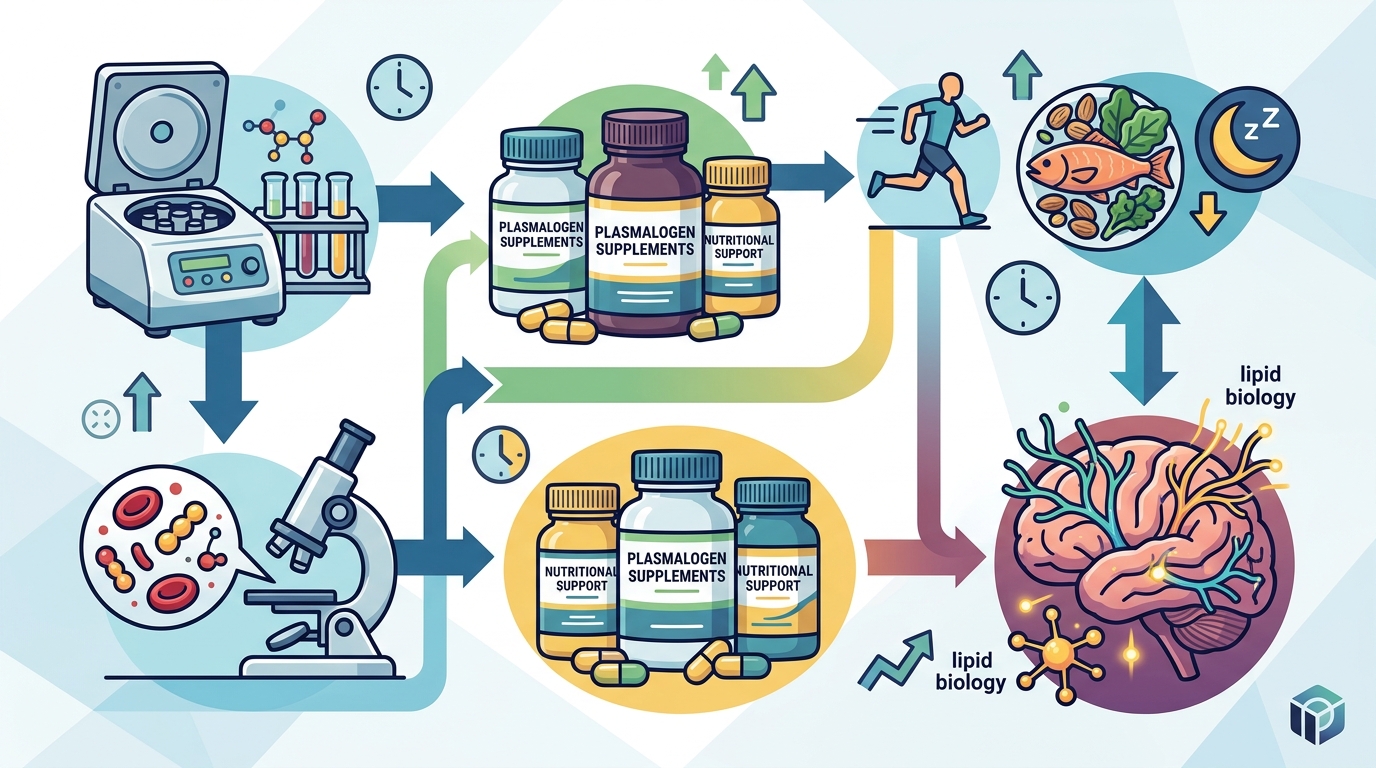
Lifestyle Interventions and Neuroprotection
Chronic stress and sleep deprivation actively accelerate plasmalogen degradation. Elevated cortisol levels trigger excessive lipid peroxidation within the hippocampus. Prioritizing seven to eight hours of restorative sleep allows peroxisomal repair cycles to function optimally. Regular aerobic exercise increases cerebral blood flow and stimulates endogenous synthesis. You should aim for three to four moderate cardio sessions per week. Mindfulness practices reduce systemic inflammation and protect vulnerable neural pathways. Our cognitive habits program integrates these lifestyle pillars into your daily routine. Consistent implementation creates a protective environment that preserves your restored plasmalogen levels. Long-term neurological health depends on this holistic integration of diet, movement, and stress management.
Key Takeaways
- Plasmalogens comprise approximately twenty percent of all brain membrane lipids and serve as the primary antioxidant defense system.
- Standard lipid panels fail to detect ether phospholipid depletion, requiring specialized biomarker testing for accurate assessment.
- Human peroxisomal synthesis declines significantly after age fifty, creating a critical window for targeted intervention.
- High-quality ether phospholipid extracts restore membrane fluidity and synaptic efficiency within ninety days of consistent use.
- Grass-fed organ meats and wild-caught fatty fish provide the highest natural concentrations of preformed plasmalogens.
- Chronic sleep deprivation and elevated cortisol actively accelerate lipid peroxidation and deplete vulnerable neural pathways.
- Quarterly lab tracking combined with personalized supplementation protocols yields the most reliable cognitive recovery outcomes.
Frequently Asked Questions
How long does it take to restore plasmalogen levels?
Most clinical protocols require ninety to one hundred twenty days of consistent supplementation to fully replenish neuronal membrane stores. Laboratory retesting at the ninety-day mark confirms whether your target ranges have been achieved.
Can dietary changes alone fix a severe deficiency?
Dietary modifications provide essential precursors but rarely deliver sufficient quantities to reverse established deficits. Targeted supplementation remains necessary for moderate to severe depletion cases.
Are there any known side effects from plasmalogen supplementation?
High-quality ether phospholipid extracts are generally well tolerated. Occasional mild digestive adjustments may occur during the first two weeks of dosing. Our team monitors your tolerance and adjusts formulations accordingly.
How do plasmalogens interact with standard cognitive medications?
Plasmalogen supplementation operates through structural membrane repair rather than neurotransmitter modulation. This mechanism typically complements standard cognitive medications without causing adverse interactions. We always review your current prescription list before initiating any protocol.
Is plasmalogen testing covered by standard insurance plans?
Specialized ether phospholipid assays are rarely covered by standard insurance plans. We offer transparent pricing and flexible payment structures to make comprehensive testing accessible. Our financial team provides clear cost breakdowns before scheduling any laboratory work.
Next Steps for Cognitive Optimization
Reversing plasmalogen deficiency requires precision, consistency, and professional oversight. Our clinical team is ready to design your personalized restoration protocol. Schedule your comprehensive biomarker assessment today. Visit our contact page to book your initial consultation. We will map your exact deficiency levels and construct a targeted supplementation roadmap. Protect your cognitive future with evidence-based interventions. Start your restoration journey with Prodrome today.