

How to Fix a Plasmalogen Deficiency to Improve Cognitive Function
Plasmalogens are a specialized class of lipids that serve as the primary structural and functional components of cell membranes, particularly within the brain. Research indicates that people with high blood plasmalogens were 80% less likely to experience dementia, highlighting the critical link between these lipids and long-term cognitive health. As we age, the body's natural production of plasmalogens declines, leading to cellular vulnerability, oxidative stress, and impaired neuronal signaling. This guide details the precise mechanisms of deficiency, diagnostic pathways, and targeted nutritional interventions to restore membrane integrity and support brain function.
What Are Plasmalogens and Why Do They Decline?
Plasmalogens are a key part of every cell membrane, including all 30 trillion cells in the human body. They are not merely structural; they are dynamic regulators of cellular communication, energy flow, and stress response. Plasmalogens are the building blocks of healthy cells, including building and strengthening the myelin sheath in neuronal cells. This myelin sheath is essential for the rapid transmission of electrical signals between neurons.
The decline of plasmalogens is a fundamental driver of aging. Plasmalogens act as an antioxidant free radical that acts as the body's first line of defense against oxidation, disease and aging. When plasmalogen levels drop, cells become susceptible to lipid peroxidation, a process where free radicals damage cell membranes. This damage compromises mitochondrial function and cellular energy, leading to the cognitive fog, memory loss, and reduced processing speed often associated with aging.
Plasmalogens are vitally important in the membranes of neuronal tissues that link the brain and the retina. The higher the plasmalogen levels, the lower the risk of glaucoma. This underscores their role in protecting delicate neural structures from oxidative damage. Without adequate plasmalogens, the brain's ability to repair itself and maintain homeostasis is severely compromised.
Recognizing the Signs of Cognitive Decline
Identifying a plasmalogen deficiency requires looking beyond standard blood work, as these lipids are stored in tissues and membranes rather than circulating freely in high concentrations in the blood. However, systemic signs of oxidative stress and membrane instability often precede overt cognitive symptoms.
One of the earliest indicators is a decline in myelin integrity. White matter plasmalogens provide structural support for myelin and membrane integrity. When these levels drop, nerve signaling slows down, resulting in delayed reaction times and reduced mental clarity. This is why many individuals report a sudden or gradual loss of "mental sharpness" in their 40s and 50s, even before any neurodegenerative disease is diagnosed.
Another sign is increased sensitivity to stress. Plasmalogens help maintain membrane fluidity, allowing cells to respond appropriately to hormonal and environmental stressors. When membranes become rigid due to lipid deficiency, the body's stress response becomes dysregulated. This can manifest as anxiety, sleep disturbances, and chronic fatigue.
Furthermore, plasmalogens are critical for heart health. Plasmalogens strengthen the heart muscle by reinforcing the cellular structure and function and preventing premature oxidation. A decline in these lipids can contribute to cardiovascular issues, which are closely linked to cognitive decline through reduced blood flow and oxygen delivery to the brain.
Diagnostic Testing and Biomarker Analysis
Accurate diagnosis of plasmalogen deficiency is the first step in effective treatment. Traditional lipid panels do not measure plasmalogens, making specialized testing necessary. ProdromeScan™ is a blood test kit designed to measure specific lipid biomarkers, providing a snapshot of your cellular health.
Understanding your baseline is crucial because plasmalogen levels vary significantly between individuals. Factors such as genetics, diet, age, and environmental exposures all influence your starting point. By using a targeted blood test, you can identify the specific areas of deficiency and track progress over time.
For health professionals, understanding these biomarkers is essential for delivering results. Prodrome Science is committed to a single focus: advancing how health professionals understand and support lipid biology—starting at the membrane. Testing, protocols, and targeted nutrition are all integrated into their professional framework.
Targeted Supplementation Protocols
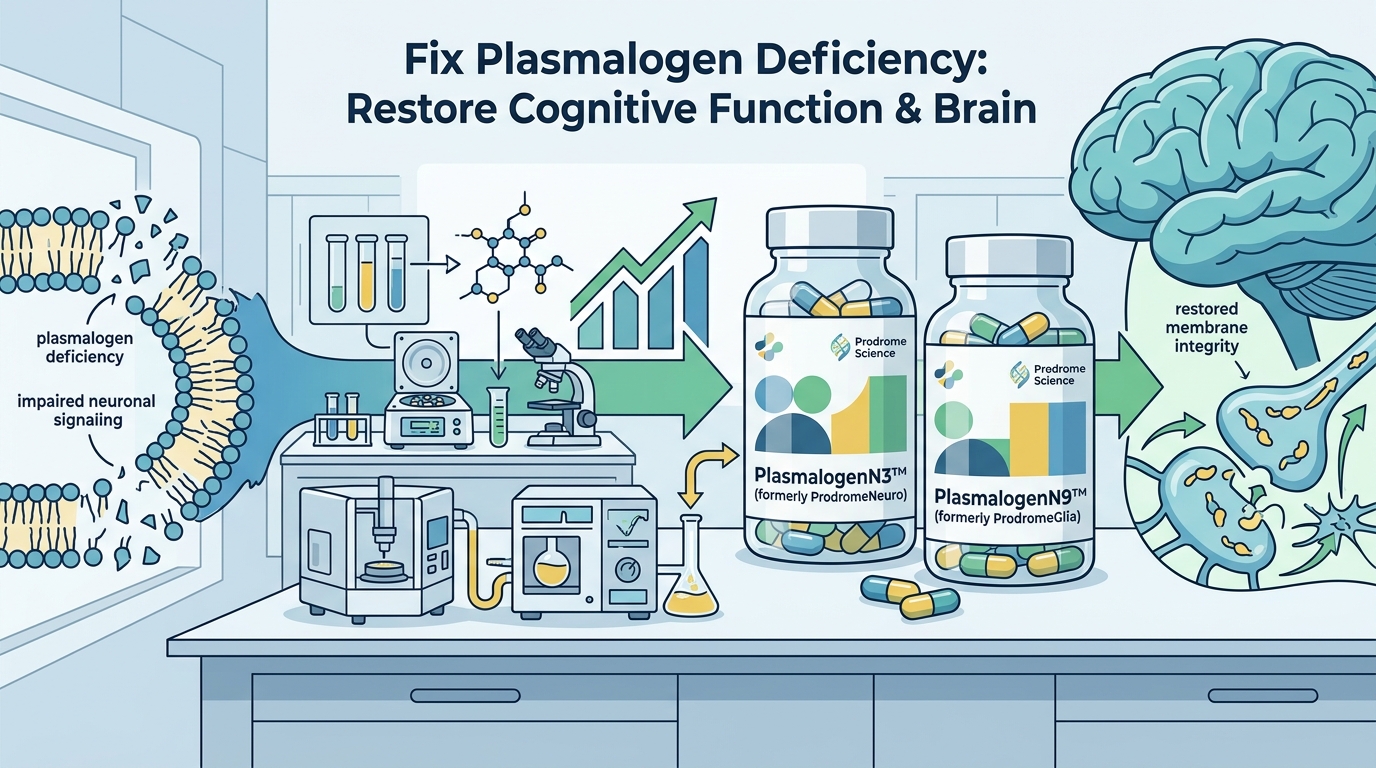
Fixing a plasmalogen deficiency requires direct supplementation, as the body cannot efficiently synthesize these lipids from precursor nutrients alone. The goal is to replenish the specific types of plasmalogens needed for different brain regions.
Grey Matter Support
Grey matter plasmalogens play a key role in how brain cells communicate. They support neurotransmitter release, receptor activity, and overall signaling. PlasmalogenN3™ (Formerly ProdromeNeuro™) is specifically formulated to support healthy neuronal membrane structure and normal neurotransmission. This supplement targets the functional aspects of brain health, helping to restore the speed and clarity of neural communication.
White Matter Support
White matter plasmalogens provide structural support for myelin and membrane integrity. ProdromeGlia™ focuses on this structural aspect, helping to maintain the insulation of nerve fibers. This is critical for long-term brain health, as it protects against the degeneration of neural pathways.
Curcuminoid Support
Oxidative stress is a major driver of plasmalogen depletion. Curcumin, a compound found in turmeric, has potent anti-inflammatory properties. However, its bioavailability is often limited. Prodrome BDMC™ is a curcuminoid formulation designed to enhance absorption and efficacy. By reducing inflammation, it helps protect existing plasmalogens from further damage.
Comparing Plasmalogen Supplement Options
Choosing the right supplement depends on your specific health goals and current lipid profile. The following table compares the primary plasmalogen products offered by Prodrome.
| Product | Primary Target | Key Benefit | Best For |
|---|---|---|---|
| ProdromeGlia™ | White Matter | Myelin Structure & Stability | Long-term neural protection |
| PlasmalogenN3™ | Grey Matter | Neurotransmission & Signaling | Cognitive clarity & focus |
| PC+ | Cell Membranes | General Membrane Integrity | Foundational lipid support |
| ProdromeGLIA-PC+ | Combined | Structural & Functional Support | Comprehensive brain health |
| ProdromeNEURO-PC+ | Neurological | Advanced Neuroprotection | High-intensity cognitive needs |
Each product is engineered for the brain, backed by 30+ years of lipid and metabolomic research. This scientific foundation ensures that the supplements are not only effective but also safe and bioavailable.
Key Takeaways
- Plasmalogens are critical for myelin integrity: White matter plasmalogens support the structure and stability of myelin, which is essential for fast nerve signaling.
- Deficiency is linked to dementia: People with high blood plasmalogens were 80% less likely to experience dementia, according to clinical studies.
- Testing is essential: Standard blood work does not measure plasmalogens; specialized kits like ProdromeScan™ are required for accurate assessment.
- Targeted supplementation works: Different plasmalogen types target different brain regions, such as grey matter for signaling and white matter for structure.
- Oxidative stress accelerates decline: Plasmalogens act as antioxidants, protecting cells from damage that leads to cognitive decline.
- Prodrome offers professional protocols: Health professionals can access specialized training and resources through the Prodrome Professional program.
- Early intervention is key: Addressing plasmalogen levels before significant cognitive decline occurs is the most effective strategy for long-term brain health.
Frequently Asked Questions
How do I know if I have a plasmalogen deficiency?
There are no standard symptoms that definitively indicate a deficiency. However, signs of oxidative stress, cognitive fog, and memory issues may suggest low levels. The only way to confirm is through specialized lipid testing.
Can plasmalogen supplements reverse cognitive decline?
While they cannot reverse established neurodegenerative diseases, plasmalogen supplementation can help restore membrane integrity and improve cognitive function in individuals with deficiencies. It is most effective as a preventive and restorative measure.
What is the difference between ProdromeGlia and PlasmalogenN3?
ProdromeGlia targets white matter plasmalogens for structural support of the myelin sheath. PlasmalogenN3 targets grey matter plasmalogens to support neurotransmitter release and neuronal signaling.
Are plasmalogen supplements safe?
Yes, plasmalogens are naturally occurring lipids in the human body. Prodrome products are manufactured under strict quality controls and are backed by extensive research. However, you should always consult with a healthcare provider before starting any new supplement regimen.
How long does it take to see results from plasmalogen supplementation?
Results vary depending on the individual's baseline levels and the severity of the deficiency. Some users report improvements in mental clarity within weeks, while others may take several months to notice significant changes in cognitive function.
Can children benefit from plasmalogen supplements?
Plasmalogens are vital for brain development in children. They support focus, memory, and learning. However, supplementation should be approached with caution and under the guidance of a pediatrician or healthcare professional.
What is the role of peroxisomes in plasmalogen production?
Peroxisomes are the tiny "workshops" that build your cell's specialized fats, including plasmalogens. They are essential for the initial steps of plasmalogen synthesis, making their health critical for maintaining adequate levels.
Start Your Protocol
Fixing a plasmalogen deficiency is a proactive step toward preserving your cognitive health and longevity. By understanding your lipid profile and implementing targeted supplementation, you can support your brain's structural and functional integrity. Visit Prodrome.com to explore their range of plasmalogen supplements and begin your journey to better brain health.