

Cellular aging is not a passive decline but an active biochemical process driven by lipid membrane integrity. Recent data shows that the depletion of plasmalogens, a specific class of ether phospholipids, correlates directly with the onset of neurodegenerative diseases and systemic inflammation. According to research led by neuroscientist Dayan Goodenowe, PhD, the loss of these critical molecules serves as an early warning system for cellular dysfunction long before clinical symptoms appear. This guide details how to identify these silent biochemical shifts through advanced biomarker testing and targeted nutritional intervention. (Prodrome)
What Are Plasmalogens and Why Do They Matter?
To understand age reversal, you must first understand the cell membrane. Plasmalogens are a unique type of phospholipid that constitute a significant portion of the lipid bilayer in every one of your thirty trillion cells. Plasmalogens is a term used to describe these ether-linked lipids that are essential for cellular communication and energy production.
Unlike standard fatty acids, plasmalogens possess a vinyl ether bond at the sn-1 position. This chemical structure makes them highly susceptible to oxidative stress, acting as sacrificial antioxidants that protect the rest of the cell from damage. When these molecules are depleted, the cell membrane becomes rigid and less fluid, impairing its ability to transport nutrients and expel waste.
The brain is particularly vulnerable to this depletion. The central nervous system relies heavily on plasmalogens for myelin sheath integrity and neurotransmitter function. A decline in these markers is often the first biochemical sign of cognitive decline, making early detection critical for any age reversal protocol.
The Science of Aging and Lipid Depletion
Aging is fundamentally linked to the health of your cellular membranes. As we age, the body's ability to synthesize plasmalogens decreases significantly. This decline is not uniform across all tissues, but the brain and heart suffer the most severe losses.
Research indicates that plasmalogen levels drop precipitously in individuals with Alzheimer's disease and other neurodegenerative conditions. According to studies published in lipid science journals, this depletion is not merely a symptom but a causal factor in disease progression. The lack of these protective lipids leads to increased oxidative stress, mitochondrial dysfunction, and chronic inflammation.
Furthermore, the body's ability to repair damaged membranes is compromised when plasmalogen precursors are scarce. This creates a vicious cycle where cellular damage accelerates, leading to further depletion of protective markers. Breaking this cycle requires precise measurement and targeted replenishment.
Diagnostic Methods for Biochemical Markers
Traditional blood tests often miss these specific lipid markers because they focus on cholesterol and glucose rather than membrane integrity. Advanced biomarker technologies are required to accurately assess your risk for age-related diseases.
ProdromeScan™ Blood Test Kit
The ProdromeScan™ blood test kit is designed specifically to measure plasmalogen levels in the blood. This diagnostic tool provides a quantitative analysis of your current lipid status, allowing you to track changes over time. By using a specialized test, you can identify deficits before they manifest as clinical symptoms.
This test is particularly valuable for individuals interested in preventive health and longevity. It offers a clear snapshot of your cellular health, enabling you to make informed decisions about your nutritional and lifestyle interventions.
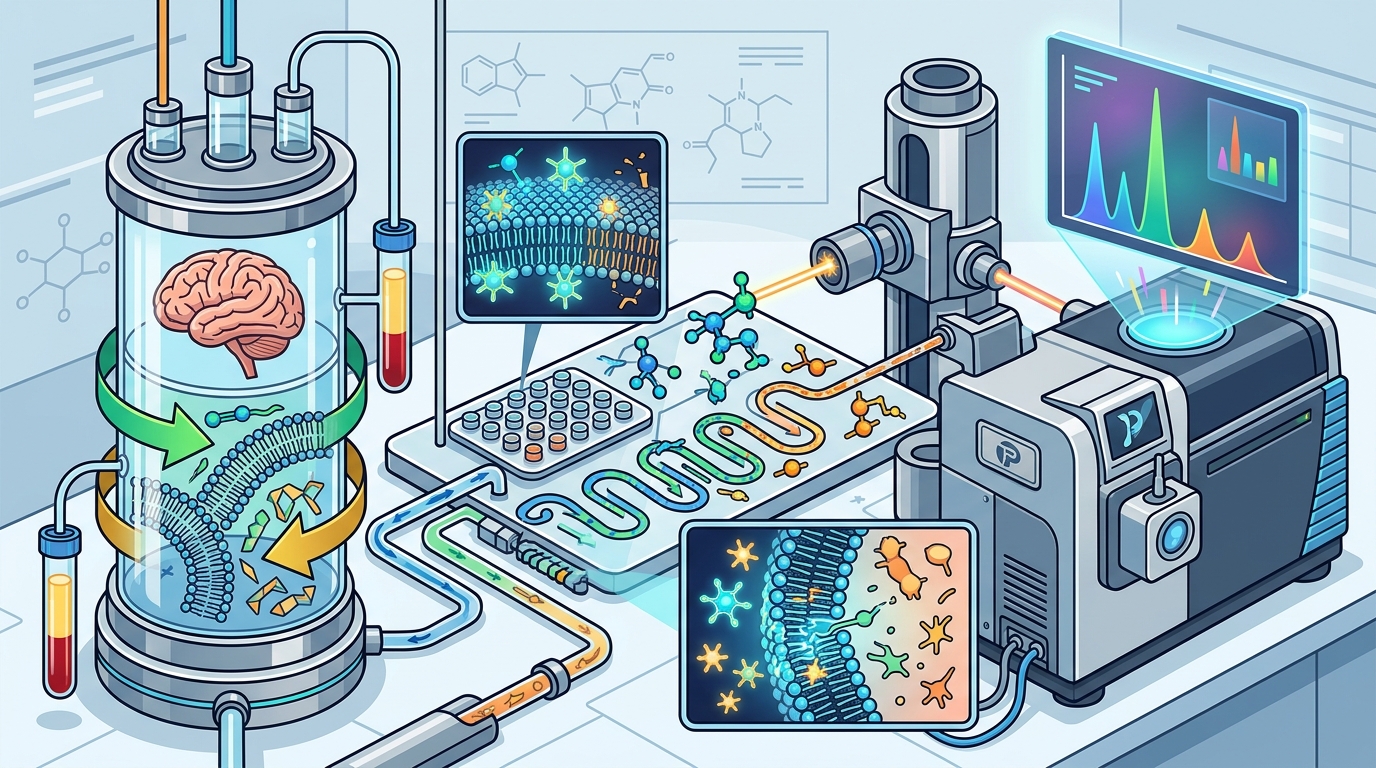
Lipidomics and Metabolomic Analysis
Beyond plasmalogens, comprehensive lipidomics can reveal other markers of aging. These include oxidized lipids, inflammatory cytokines, and mitochondrial function indicators. A holistic view of your lipid profile provides a more accurate picture of your biological age compared to your chronological age.
Partnering with health professionals who understand lipid biology is essential for interpreting these complex results. They can help you correlate your biomarker data with your lifestyle factors to create a personalized age reversal plan.
Interpreting Your Biomarker Results
Understanding your test results requires a nuanced approach. Low plasmalogen levels are a clear indicator of increased oxidative stress and cellular vulnerability. However, the context of your overall health matters.
| Biomarker Category | Indicator of Risk | Recommended Action |
|---|---|---|
| Plasmalogen Levels | Low levels indicate high oxidative stress and membrane instability. | Initiate plasmalogen supplementation and antioxidant support. |
| Inflammatory Markers | Elevated cytokines suggest chronic systemic inflammation. | Review diet, sleep, and stress management protocols. |
| Lipid Oxidation Products | High levels indicate damage to cell membranes and proteins. | Increase intake of specific antioxidants and reduce toxin exposure. |
| Neurological Markers | Changes in brain-specific lipids may signal cognitive decline. | Consult with a neurologist or lipid specialist. |
Tracking these markers over time is more important than a single data point. Regular testing allows you to see the impact of your interventions and adjust your strategy accordingly. This dynamic approach to health management is the cornerstone of effective age reversal.
Intervention Strategies for Cellular Repair
Once you have identified your biochemical deficits, the next step is targeted intervention. The goal is to replenish depleted plasmalogens and support the body's natural repair mechanisms.
Plasmalogen Supplementation
Direct supplementation with plasmalogens is a primary strategy for reversing cellular depletion. Prodrome offers a range of products, including plasmalogen softgels and plasmalogen oils, designed to support brain health and cellular integrity.
These supplements are engineered to cross the blood-brain barrier and integrate into cell membranes. By providing the raw materials your body needs, you can help restore membrane fluidity and improve cellular communication.
Curcuminoid Support
Inflammation is a key driver of aging. Curcuminoids, such as those found in Prodrome BDMC™, offer potent anti-inflammatory and antioxidant benefits. They work synergistically with plasmalogens to protect cells from oxidative damage.
Combining plasmalogen supplementation with curcuminoid support creates a comprehensive defense against the biochemical processes of aging. This dual approach addresses both the structural integrity of the cell and the inflammatory environment.
Professional Guidance
Navigating lipid biology can be complex. Working with a health professional who specializes in lipid science ensures that your protocol is tailored to your specific needs. They can help you interpret your biomarkers and adjust your supplementation as your body responds.
For those interested in deeper learning, professional training is available to help practitioners understand the nuances of lipid biology and its impact on health.
Key Takeaways
- Plasmalogens are critical: These ether phospholipids are essential for cell membrane integrity and brain health.
- Early detection is key: Biomarker testing can identify lipid depletion before clinical symptoms appear.
- ProdromeScan™ provides clarity: This specialized blood test kit offers accurate measurement of plasmalogen levels.
- Supplementation works: Targeted plasmalogen and curcuminoid support can help reverse cellular depletion.
- Professional guidance matters: Consulting with lipid specialists ensures effective and safe intervention.
- Tracking is essential: Regular testing allows you to monitor progress and adjust your protocol.
- Aging is modifiable: Biochemical markers of aging can be influenced by lifestyle and nutritional choices.
Frequently Asked Questions
What is the difference between chronological age and biological age?
Chronological age is the number of years you have lived, while biological age reflects the functional state of your cells and tissues. Biomarker testing helps determine your biological age by assessing cellular health.
How often should I test my plasmalogen levels?
Testing every six to twelve months is generally recommended to track changes in your lipid profile and the effectiveness of your intervention strategy.
Can plasmalogen supplements cross the blood-brain barrier?
Yes, specific formulations of plasmalogen supplements are designed to cross the blood-brain barrier to support brain health and cognitive function.
What is the role of curcuminoids in age reversal?
Curcuminoids provide powerful anti-inflammatory and antioxidant support, protecting cells from oxidative damage and complementing the effects of plasmalogen supplementation.
Who should consider using the ProdromeScan™ blood test kit?
Individuals interested in preventive health, longevity, and those with a family history of neurodegenerative diseases should consider this specialized testing.
Are plasmalogen supplements safe?
Plasmalogens are naturally occurring molecules in the body. Supplementation is generally considered safe, but it is always advisable to consult with a healthcare provider.
How does lipid biology impact overall health?
Lipid biology governs cell membrane health, which affects everything from nutrient transport to neurological function. Disruptions in lipid balance can lead to systemic health issues.
Start Your Biochemical Assessment
Understanding your biochemical markers is the first step toward effective age reversal. By leveraging advanced testing and targeted supplementation, you can take control of your cellular health. Visit Prodrome.com to explore our range of plasmalogen products and learn more about our science-backed approach to longevity. Schedule a consultation with a health professional today to begin your journey toward healthier, more resilient cells.