

Implementing a Lipid-Based Restorative Health Protocol for Dementia
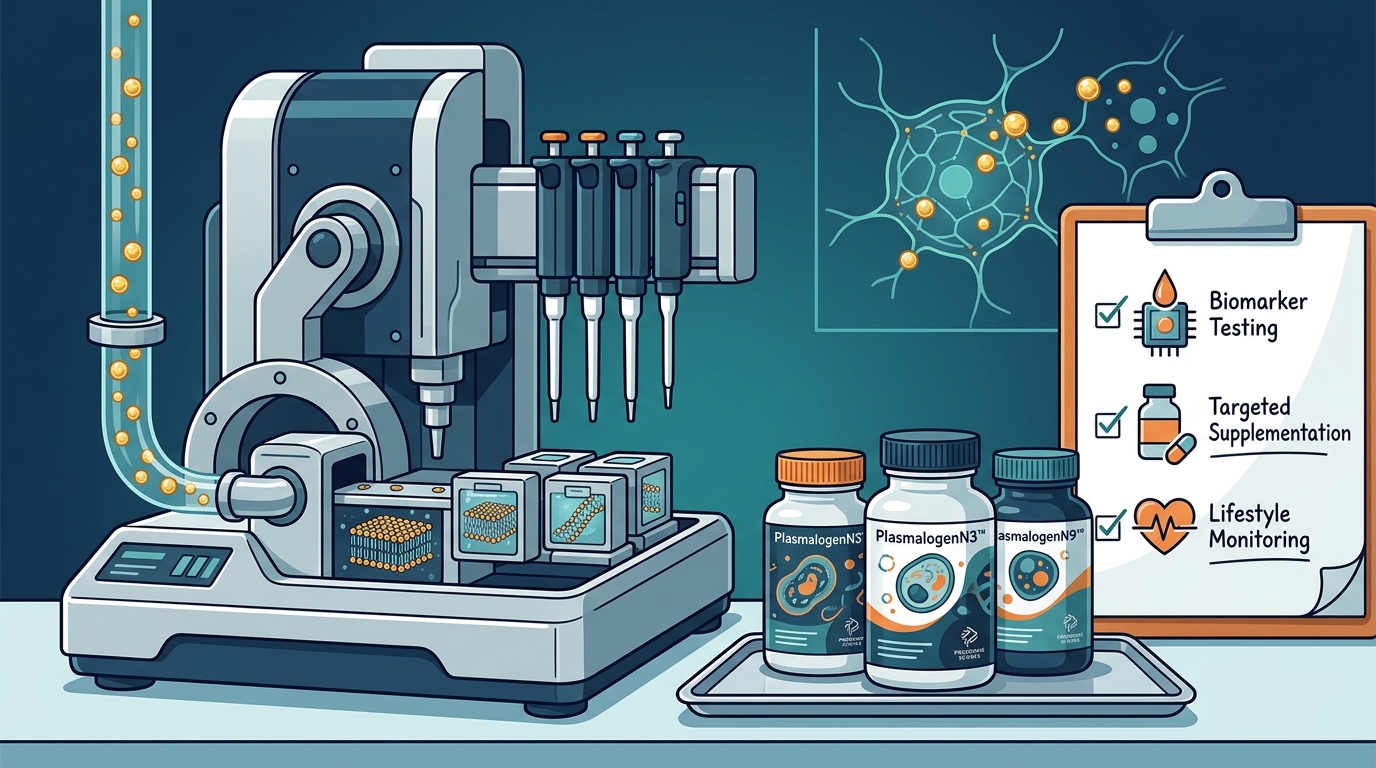
Recent clinical observations indicate that people with high blood plasmalogens were 80% less likely to experience dementia and are proven to live longer. This statistic highlights a critical shift in neurological care, moving away from purely symptomatic management toward cellular membrane restoration. Dementia and cognitive decline are increasingly understood as diseases of cellular integrity, where the failure of lipid bilayers disrupts neuronal signaling and energy production. Implementing a lipid-based restorative health protocol requires a systematic approach that combines advanced biomarker testing, targeted plasmalogen supplementation, and rigorous lifestyle monitoring. This guide outlines the precise steps health professionals and individuals can take to rebuild cellular resilience and support long-term brain health. (Prodrome)
Step 1: Baseline Biomarker Assessment
Before initiating any restorative protocol, establishing a precise baseline is non-negotiable. Traditional blood work often fails to detect early-stage lipid depletion because standard panels do not measure specialized membrane lipids. Plasmalogens are a key part of that structure, specifically the phospholipids that protect cell membranes from oxidative stress. Without measuring these specific biomarkers, it is impossible to gauge the severity of cellular decline or the efficacy of subsequent interventions.
The first step involves utilizing advanced lipidomics testing. Prodrome offers the ProdromeScan™, a specialized blood test kit designed to quantify plasmalogen levels in the blood. This test provides a snapshot of the body's current lipid status, allowing for a targeted rather than a guesswork approach to supplementation. Health professionals should interpret these results in the context of the patient's age, cognitive symptoms, and family history. According to lipid science research, plasmalogen levels naturally decline with age, but accelerated decline is a hallmark of neurodegenerative processes. By identifying the specific deficit, practitioners can tailor the dosage and type of plasmalogen required for restoration.
Step 2: Strategic Plasmalogen Selection
Not all lipid supplements are created equal. The brain is composed of distinct regions that require different types of plasmalogens to function optimally. Understanding the difference between white matter and grey matter support is crucial for effective protocol design. White matter plasmalogens provide structural support for myelin and membrane integrity. These lipids are essential for the insulation of nerve fibers, ensuring that electrical signals travel efficiently between different parts of the brain. Grey matter plasmalogens offer functional support for signaling and neurotransmission. These lipids are involved in the release of neurotransmitters and the activity of receptors, directly influencing cognitive processing and memory formation.
To address these distinct needs, the protocol should incorporate specialized products such as ProdromeGlia™ for white matter support and PlasmalogenN3™ for grey matter support. ProdromeGlia™ focuses on solidifying and amplifying signals between neurons, which is vital for maintaining the physical structure of the nervous system. PlasmalogenN3™, formerly known as ProdromeNeuro™, supports healthy neuronal membrane structure and normal neurotransmitter function. By combining these targeted formulations, the protocol ensures that both the structural integrity and the functional capacity of the brain are addressed simultaneously. This dual-action approach is supported by over 30 years of lipid and metabolomic research led by neuroscientist Dayan Goodenowe, PhD.
Step 3: Integrating Curcuminoid Support
Lipid restoration must be paired with robust antioxidant defense to prevent the newly integrated plasmalogens from being oxidized before they can exert their benefits. Lipid peroxidation is a primary driver of cellular damage in dementia, where free radicals attack the fatty acid chains in cell membranes. Plasmalogens act as sacrificial antioxidants, protecting other cellular components from oxidative damage. However, their capacity is finite, and they require support from external antioxidant sources to maintain equilibrium.
Curcumin, the active compound in turmeric, is a potent anti-inflammatory and antioxidant agent. However, standard curcumin has poor bioavailability and does not effectively cross the blood-brain barrier in sufficient quantities. The protocol should include Prodrome BDMC™, a specialized curcuminoid formulation designed to enhance bioavailability and target brain health. BDMC helps to reduce neuroinflammation and supports the body's natural detoxification pathways. By integrating BDMC into the daily regimen, the protocol creates a synergistic environment where plasmalogens can rebuild membranes while curcuminoids neutralize the oxidative stress that caused the damage in the first place. This combination addresses both the structural and inflammatory aspects of neurodegeneration.
Step 4: Continuous Monitoring and Adjustment
A lipid-based protocol is not a static prescription but a dynamic process that requires ongoing evaluation. The body's response to plasmalogen supplementation varies based on individual metabolism, genetic factors, and the severity of initial depletion. Regular re-testing is essential to track progress and adjust dosages accordingly. The ProdromeScan™ should be repeated at regular intervals, typically every three to six months, to measure changes in blood plasmalogen levels.
Data shows that consistent supplementation can lead to measurable increases in plasmalogen concentrations over time. However, the rate of increase may vary. Some individuals may experience rapid improvements in cognitive clarity, while others may see gradual changes over several months. Health professionals should monitor not only the biomarker data but also clinical outcomes, such as improvements in memory, mood, and daily functioning. If plasmalogen levels plateau, it may be necessary to adjust the dosage or investigate other contributing factors, such as gut health or mitochondrial function. The Prodrome Science Blog offers additional insights into interpreting these results and understanding the nuances of lipid biology.
Step 5: Lifestyle and Environmental Factors
While supplementation is a cornerstone of the protocol, lifestyle factors play a significant role in lipid metabolism and brain health. Chronic stress, poor sleep, and exposure to environmental toxins can accelerate lipid depletion and hinder restoration efforts. Plasmalogens are critical to all cells, including those in the lungs, heart, and skin, highlighting their systemic importance. Therefore, a holistic approach is necessary to support overall cellular health.
Key lifestyle interventions include prioritizing sleep hygiene to allow for natural cellular repair processes, engaging in regular physical activity to improve blood flow and nutrient delivery to the brain, and managing stress through mindfulness or other techniques. Additionally, reducing exposure to endocrine disruptors and heavy metals can help preserve existing lipid stores. The science articles published by Prodrome provide detailed information on how these lifestyle factors interact with lipid biology. By addressing these external influences, the protocol can achieve greater efficacy and sustainability.
Key Takeaways
- Plasmalogens are specialized phospholipids that constitute a significant portion of cell membranes, particularly in the brain and nervous system.
- High blood plasmalogen levels are associated with an 80% reduction in dementia risk, according to clinical studies referenced in lipid science literature.
- ProdromeScan™ is the recommended tool for baseline assessment, providing precise quantification of plasmalogen status.
- ProdromeGlia™ targets white matter integrity, while PlasmalogenN3™ supports grey matter signaling and neurotransmission.
- Prodrome BDMC™ enhances curcumin bioavailability, providing essential antioxidant support to protect restored lipids from oxidation.
- Regular monitoring every three to six months is critical to track biomarker changes and adjust the protocol for optimal results.
- Lifestyle factors such as sleep, stress management, and toxin reduction are integral to the success of any lipid-based restorative protocol.
Frequently Asked Questions
What is the difference between white matter and grey matter plasmalogens?
White matter plasmalogens provide structural support for myelin and membrane integrity, ensuring efficient nerve signal transmission. Grey matter plasmalogens support functional signaling and neurotransmission, influencing cognitive processes and memory formation.
How does ProdromeScan™ help in dementia prevention?
ProdromeScan™ measures blood plasmalogen levels, providing a baseline to assess cellular health. Early detection of low plasmalogen levels allows for timely intervention with targeted supplementation to potentially slow or reverse cognitive decline.
Why is curcumin included in a lipid protocol?
Curcumin acts as a potent anti-inflammatory and antioxidant. When combined with lipids, it helps protect cell membranes from oxidative damage, which is a key factor in neurodegeneration. Prodrome BDMC™ enhances the bioavailability of curcumin for better brain penetration.
How long does it take to see results from plasmalogen supplementation?
Results vary by individual. Some people may notice changes in cognitive clarity within weeks, while others may take several months to see significant biomarker shifts. Consistent monitoring with ProdromeScan™ helps track progress accurately.
Can plasmalogens be synthesized by the body?
Yes, the body produces plasmalogens, but production declines significantly with age and due to various health conditions. Supplementation is necessary to restore levels to those associated with optimal brain health.
Are there any side effects to plasmalogen supplementation?
Plasmalogens are naturally occurring lipids in the body, making them generally well-tolerated. However, it is always recommended to consult with a healthcare provider before starting any new supplement regimen.
What is the role of peroxisomes in plasmalogen production?
Peroxisomes are the cellular organelles responsible for the initial steps of plasmalogen synthesis. They act as tiny workshops that build the specialized fats required for cell membrane integrity.
Start Your Protocol
Implementing a lipid-based restorative health protocol is a proactive step toward safeguarding cognitive function and cellular health. By leveraging advanced testing, targeted supplementation, and continuous monitoring, you can address the root causes of lipid depletion. Visit the Prodrome Shop to explore the full range of plasmalogen and curcuminoid products. For personalized guidance, consider becoming a Prodrome Professional or consulting with a certified health practitioner. Take control of your brain health today by building a protocol grounded in lipid science.