

Restore White Matter & Myelin: Natural Strategies for Brain Resilience
White matter integrity is the structural foundation of rapid neural communication, yet it is often overlooked until cognitive decline begins. Recent lipid science indicates that the decline of specialized fats in the brain is a primary driver of this deterioration. According to research led by neuroscientist Dayan Goodenowe, PhD, plasmalogens are critical for maintaining the myelin sheath that insulates nerve fibers. This guide details the biological mechanisms of myelin repair and the specific nutritional protocols required to support it. (Scientists discover roadblocks) (Prodrome)
Understanding White Matter and Myelin
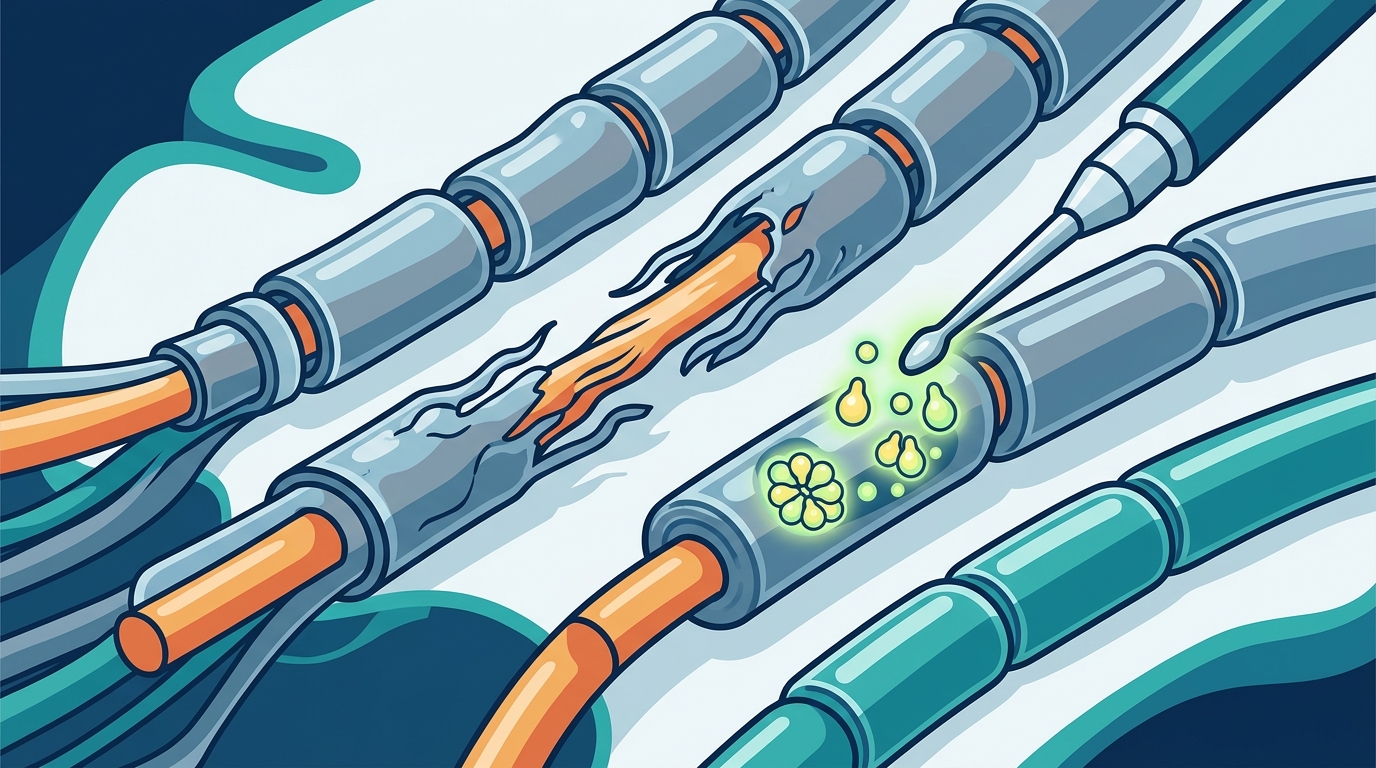
White matter consists of bundles of nerve fibers called axons. These axons are wrapped in a protective, fatty layer known as the myelin sheath. Myelin acts as the insulation for your brain's electrical wiring. Without it, neural signals slow down or fail entirely. This insulation is not static. It is a dynamic structure that requires constant maintenance and repair.
Plasmalogens are a specific type of phospholipid found in high concentrations within the myelin sheath. Plasmalogens are the building blocks of healthy cells, including building and strengthening the myelin sheath in neuronal cells. They provide structural stability and protect the delicate lipid layers from oxidative damage. When plasmalogen levels drop, the myelin sheath becomes vulnerable to degradation.
Myelin integrity is essential for cognitive speed, memory consolidation, and motor control. Damage to white matter is associated with slower processing speeds and increased risk of neurodegenerative conditions. Restoring this integrity requires addressing the root cause: lipid depletion.
The Plasmalogen Deficit and Aging
The human body produces plasmalogens naturally, primarily in the peroxisomes. However, this production capacity declines significantly with age. By the time cognitive symptoms appear, plasmalogen levels may have dropped by substantial margins. This decline is not merely a side effect of aging. It is a primary driver of cellular dysfunction.
People with high blood plasmalogens were 80% less likely to experience dementia and are proven to live longer. This statistic highlights the protective role of these lipids. When levels decline across trillions of cells, the effect compounds, impacting the very functions that support health. The brain is particularly susceptible because it has high metabolic demands and limited regenerative capacity. (Empowering people affected)
Environmental stressors, inflammation, and oxidative stress accelerate plasmalogen depletion. Plasmalogens act as antioxidant free radical that acts as the body's first line of defense against oxidation, disease and aging. They sacrifice themselves to neutralize harmful free radicals, protecting the cell membrane and myelin sheath. Once depleted, the body struggles to replace them quickly enough.
ProdromeGlia: Targeting White Matter
Restoring white matter requires targeted intervention. General brain supplements often fail to address the specific lipid needs of the myelin sheath. ProdromeGlia is formulated specifically for white matter support. White matter plasmalogens provide structural support for myelin and membrane integrity.
ProdromeGlia focuses on the structural aspects of myelin repair. It provides the specific lipid precursors needed to rebuild the myelin sheath. This approach aligns with the understanding that myelin is a lipid-rich structure. Replenishing these lipids directly supports the physical integrity of the nerve fibers.
The formulation is designed to cross the blood-brain barrier effectively. This ensures that the nutrients reach the target tissue. Clinical protocols often recommend ProdromeGlia for individuals experiencing symptoms related to white matter health. These symptoms can include slowed processing speed and memory lapses.
Consistency is key in lipid supplementation. The body requires time to incorporate these lipids into cell membranes. Regular dosing supports the gradual restoration of plasmalogen levels. This process supports long-term brain resilience and cognitive function.
PlasmalogenN3: Supporting Grey Matter
While white matter handles structural integrity, grey matter manages information processing. PlasmalogenN3 targets the functional support for signaling and neurotransmission. Grey matter plasmalogens play a key role in how brain cells communicate. They support neurotransmitter release, receptor activity, and overall signaling.
PlasmalogenN3 (Formerly ProdromeNeuro) supports healthy neuronal membrane structure. It works in tandem with ProdromeGlia to provide comprehensive brain support. The combination of structural and functional support addresses both the hardware and software of the brain.
Grey matter health is crucial for cognitive tasks such as learning and decision making. Plasmalogens in grey matter help maintain the fluidity of cell membranes. This fluidity is essential for efficient signal transmission. Without adequate plasmalogens, membrane rigidity can impair neural communication.
Integrating PlasmalogenN3 into a daily protocol supports overall brain health. It complements the structural benefits of ProdromeGlia. Together, they address the dual needs of white and grey matter. This holistic approach maximizes the potential for cognitive restoration.
Comparing White Matter Interventions
Not all brain supplements are created equal. Understanding the differences between interventions is crucial for effective restoration. The table below compares key approaches to supporting white matter and myelin integrity.
| Intervention Type | Primary Target | Mechanism of Action | Best For |
|---|---|---|---|
| ProdromeGlia | White Matter | Structural lipid replenishment | Myelin repair and membrane stability |
| PlasmalogenN3 | Grey Matter | Neurotransmitter support | Cognitive processing and signaling |
| General Omega-3s | General Inflammation | Anti-inflammatory effects | General health maintenance |
| Prodrome BDMC | Oxidative Stress | Curcuminoid delivery | Reducing cellular damage |
General Omega-3 fatty acids are often recommended for brain health. However, they do not specifically replenish plasmalogens. Plasmalogens are a unique class of lipids with distinct structural properties. They are not interchangeable with standard Omega-3s. Targeted plasmalogen supplementation offers a more direct path to myelin repair.
Prodrome BDMC provides additional support by addressing oxidative stress. Oxidative stress damages myelin and depletes plasmalogens. By reducing this damage, BDMC helps preserve existing myelin. This synergistic approach enhances the overall effectiveness of the protocol.
Key Takeaways
- White matter relies on plasmalogens for myelin sheath integrity and rapid neural signaling.
- Plasmalogen levels decline naturally with age, leading to increased vulnerability to cognitive decline.
- ProdromeGlia is specifically designed to target white matter and support myelin repair.
- PlasmalogenN3 supports grey matter function, including neurotransmitter release and receptor activity.
- People with high blood plasmalogens were 80% less likely to experience dementia and are proven to live longer. (Empowering people affected)
- Combining structural support (ProdromeGlia) with functional support (PlasmalogenN3) provides comprehensive brain health.
- ProdromeScan allows users to monitor their plasmalogen levels to track progress.
Frequently Asked Questions
How long does it take to restore white matter integrity?
Restoring white matter integrity is a gradual process. Lipid incorporation into cell membranes takes time. Consistent supplementation over several months is typically required to see significant changes in plasmalogen levels and cognitive function.
Can plasmalogens repair damaged myelin?
Plasmalogens provide the essential building blocks for myelin repair. They support the structural integrity of the myelin sheath. While they cannot reverse all damage, they create the optimal environment for natural repair mechanisms to function.
What is the difference between ProdromeGlia and PlasmalogenN3?
ProdromeGlia targets white matter and myelin structure. PlasmalogenN3 targets grey matter and neuronal signaling. They work synergistically to support overall brain health. Using both provides comprehensive coverage of brain lipid needs.
Are plasmalogen supplements safe?
Plasmalogens are naturally occurring lipids in the human body. Prodrome supplements are formulated to be safe and effective. However, it is always recommended to consult with a healthcare provider before starting any new supplement regimen.
How does ProdromeScan help with white matter health?
ProdromeScan measures blood plasmalogen levels. This data helps individuals understand their current lipid status. Monitoring levels allows for personalized adjustments to supplementation protocols.
Can diet alone restore plasmalogen levels?
Diet plays a role in overall health. However, it is difficult to obtain sufficient plasmalogens through diet alone. Supplementation provides a concentrated and bioavailable source of these critical lipids.
What is the role of peroxisomes in plasmalogen production?
Peroxisomes are the cellular organelles responsible for producing plasmalogens. As we age, peroxisomal function declines. This decline reduces the body's ability to produce plasmalogens naturally, necessitating external supplementation.
Start Your Protocol
Restoring white matter and myelin integrity requires a targeted approach. Prodrome offers the scientific tools and supplements needed to support this process. Explore the Plasmalogen Collection to find the right protocol for your needs. Take the first step toward better brain health today.