

Plasmalogens are specialized lipids that serve as the primary antioxidant defense in cell membranes, particularly within the brain. Recent clinical observations indicate that people with high blood plasmalogens were 80% less likely to experience dementia and are proven to live longer. This statistic highlights the critical role of lipid biology in neuroprotection. As we age, the body's natural production of these vital molecules declines, leading to cellular vulnerability and cognitive decline. Understanding this mechanism is the first step toward implementing a restorative health protocol that addresses the root causes of neurodegeneration rather than just managing symptoms.
Step 1: Baseline Biomarker Assessment
Before initiating any lipid-based protocol, establishing a precise baseline is essential. Standard blood work often fails to detect early cellular stress because it measures systemic markers rather than membrane integrity. This is why advanced biomarker technologies are required for accurate diagnosis and protocol design.
The Role of ProdromeScan™
The ProdromeScan™ blood test kit provides a detailed analysis of plasma lipid profiles. Unlike traditional tests, it quantifies specific lipid species, including plasmalogens, which are often depleted long before clinical symptoms of dementia appear. By identifying specific deficits in white matter and grey matter lipids, practitioners can tailor interventions with precision.
According to research published in lipidology journals, the decline in plasmalogen levels correlates strongly with the progression of neurodegenerative diseases. Early detection allows for timely intervention, potentially slowing or reversing cellular damage. For health professionals seeking to integrate this testing into their practice, the Prodrome Science Blog offers extensive resources on interpreting these complex lipid profiles.
Step 2: Foundational Lipid Supplementation
Once baseline levels are established, the next phase involves replenishing the body's plasmalogen stores. Plasmalogens are a key part of every cell membrane, including all 30 trillion cells in the human body. Without adequate levels, cellular communication and energy production falter.
Understanding PlasmalogenN3™
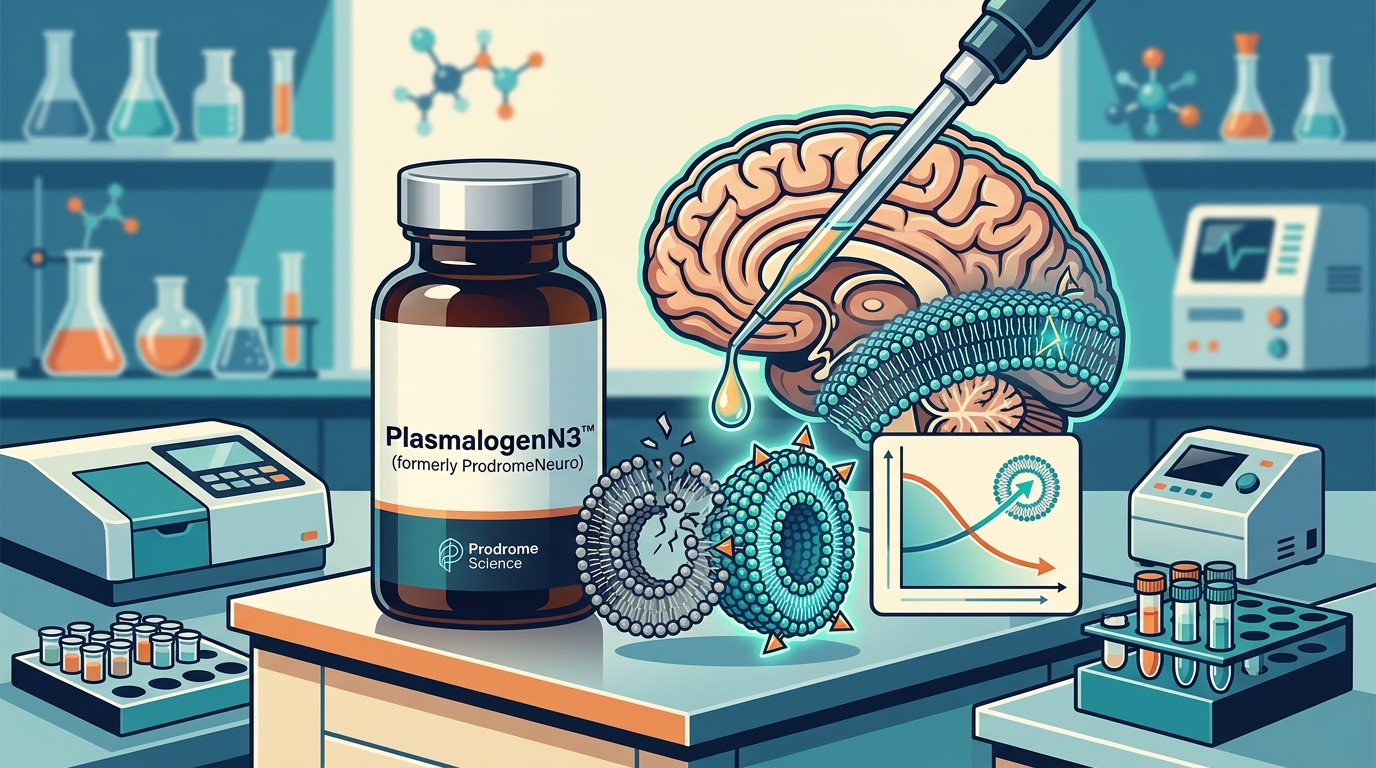
PlasmalogenN3™ (formerly ProdromeNeuro™) is designed to support healthy neuronal membrane structure and normal neurotransmitter function. This supplement focuses on grey matter plasmalogens, which play a key role in how brain cells communicate. They support neurotransmitter release, receptor activity, and overall signaling. This is the focus of PlasmalogenN3™.
For individuals seeking a comprehensive approach, the All Plasmalogens collection offers various formulations tailored to different needs. The goal is to restore membrane integrity and stability, which is crucial for protecting neurons from oxidative stress.
The Importance of Curcuminoids
Lipid supplementation is often paired with anti-inflammatory agents to maximize efficacy. Curcumin’s Missing Piece: Why BDMC May Be the Most Overlooked Compound in Turmeric is a critical consideration in this protocol. The Prodrome BDMC™ formulation enhances the bioavailability of curcumin, supporting the body's antioxidant defenses and reducing inflammation in the brain.
Step 3: Targeted Grey and White Matter Support
A robust lipid protocol must address both the structural integrity of the brain (white matter) and its functional signaling (grey matter). These two components work in tandem, and neglecting one can undermine the entire restorative effort.
White Matter Plasmalogens
White matter plasmalogens provide structural support for myelin and membrane integrity. White matter plasmalogens support the structure and stability of myelin, the protective layer that enables efficient nerve signaling. They help maintain membrane integrity, insulation, and overall function across the nervous system. This is the focus of ProdromeGlia™.
Myelin sheaths are essential for the speed and accuracy of neural transmission. When these sheaths degrade due to lipid deficiency, cognitive processing slows, and neural communication becomes erratic. Restoring white matter plasmalogens helps reinforce these structures, potentially improving cognitive speed and clarity.
Grey Matter Plasmalogens
Grey matter plasmalogens are responsible for functional support for signaling and neurotransmission. Grey matter plasmalogens play a key role in how brain cells communicate. They support neurotransmitter release, receptor activity, and overall signaling. This is the focus of PlasmalogenN3™.
By targeting both grey and white matter, the protocol ensures a holistic approach to brain health. This dual-action strategy is supported by the Prodrome Science framework, which emphasizes the interconnectedness of lipid biology and cognitive function.
Step 4: Ongoing Monitoring and Adjustment
Implementing a lipid-based protocol is not a one-time event but an ongoing process. Regular monitoring ensures that the supplementation is effective and that the body is responding as expected.
Tracking Progress
Re-testing via the ProdromeScan™ kit allows for the comparison of lipid levels over time. This data-driven approach helps practitioners adjust dosages and formulations to meet the evolving needs of the patient. The Customerhub provides tools for tracking these metrics and managing subscriptions.
Integrating Lifestyle Factors
While supplementation is critical, lifestyle factors such as diet, exercise, and sleep also impact lipid metabolism. The Prodrome Science Blog offers articles on stress, cortisol, and the myelin buffer, providing insights into how lifestyle choices influence brain health.
Frequently Asked Questions
What are plasmalogens and why are they important for dementia?
Plasmalogens are a type of specialized lipid found in high concentrations in the brain and heart. They are important for dementia because they protect cell membranes from oxidative damage and support neuronal communication. Low levels are associated with increased risk of cognitive decline.
How does ProdromeScan™ help in dementia prevention?
ProdromeScan™ measures specific lipid levels in the blood, including plasmalogens. This allows for early detection of lipid deficits before clinical symptoms of dementia appear, enabling proactive intervention.
What is the difference between ProdromeGlia™ and PlasmalogenN3™?
ProdromeGlia™ focuses on white matter plasmalogens, supporting myelin structure and nerve insulation. PlasmalogenN3™ focuses on grey matter plasmalogens, supporting neurotransmitter function and cellular signaling.
Can plasmalogen supplementation reverse dementia?
While plasmalogen supplementation can support brain health and potentially slow progression, it is not a cure for dementia. It is best used as part of a comprehensive restorative protocol under professional guidance.
Where can I find more information on lipid science?
The Prodrome Science Blog provides in-depth articles on lipid biology, membrane health, and the latest research in neuroprotection.
Is there a discount available for plasmalogen supplements?
Prodrome often offers promotions, such as 10% off plasmalogens. Customers can check the cart page or subscribe to updates for the latest offers.
How long does it take to see results from lipid supplementation?
Results vary by individual. Some people report changes in cognitive clarity within weeks, while others may take months. Consistent supplementation and regular monitoring are key to assessing effectiveness.
Start Your Restorative Protocol Today
Implementing a lipid-based restorative protocol for dementia requires precision, knowledge, and the right tools. By leveraging advanced biomarker testing and targeted plasmalogen supplementation, you can address the root causes of cognitive decline. Visit the Prodrome homepage to explore our products and begin your journey toward better brain health.