

Restoring Brain Cell Membranes: A Step-by-Step Guide to Better Memory and Focus
Plasmalogens are specialized lipids that serve as the primary antioxidant defense system within the cell membranes of your brain and other vital organs. Recent research indicates that people with high blood plasmalogens were 80% less likely to experience dementia and are proven to live longer. This statistic highlights a critical biological reality: as we age, our natural production of these essential fats declines, leading to cellular vulnerability, oxidative stress, and cognitive decline. Restoring brain cell membranes is not merely a wellness trend but a fundamental requirement for maintaining neurological integrity. This guide provides a structured, science-backed approach to rebuilding your lipid foundation using targeted nutrition, diagnostic testing, and lifestyle interventions.
Understanding Plasmalogens and Membrane Health
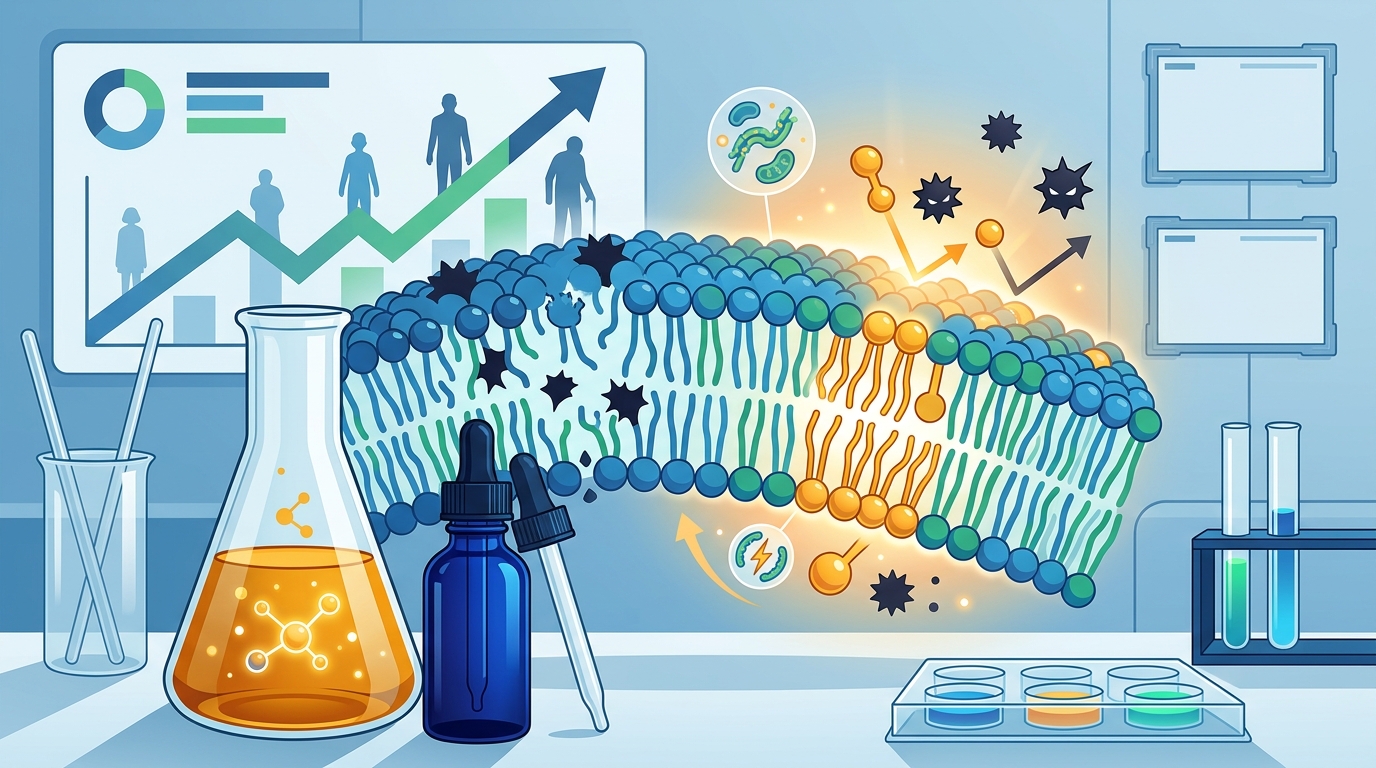
To restore brain health, you must first understand the structural components that support it. Plasmalogens are a key part of every cell membrane, including all 30 trillion cells in the human body. They are not just passive structural elements but active participants in cellular communication, energy flow, and stress response.
Plasmalogens are critical to all cells, with specific roles in different tissues. In the brain, white matter plasmalogens provide structural support for myelin and membrane integrity. Grey matter plasmalogens offer functional support for signaling and neurotransmission. When these levels decline, the effect compounds across trillions of cells, impacting the very functions that support health.
Key functions of plasmalogens include:
- Membrane integrity and stability
- Cell signaling and receptor function
- Mitochondrial function and cellular energy
- Protection against lipid peroxidation
- Peroxisomal activity and lipid metabolism
Understanding these roles is essential for anyone seeking to improve memory and focus. Without adequate plasmalogen levels, neurons cannot communicate efficiently, and the brain becomes susceptible to oxidative damage. For more detailed scientific context, you can explore the Prodrome Science Blog which delves deeper into lipid biology.
Step 1: Assess Your Current Lipid Status
You cannot optimize what you do not measure. The first step in restoring brain cell membranes is to establish a baseline of your current plasmalogen levels. Traditional blood work often fails to capture lipid membrane health, which is why specialized testing is required.
ProdromeScan™ is a blood test kit designed to measure plasmalogen levels accurately. This diagnostic tool provides critical data that helps health professionals and individuals understand their lipid biology. By identifying low plasmalogen levels early, you can intervene before significant cognitive decline occurs.
According to lipid research, plasmalogen levels naturally decline with age. This decline is often accelerated by oxidative stress, inflammation, and poor dietary habits. Taking a ProdromeScan™ allows you to see where you stand and track progress over time. This data-driven approach ensures that your interventions are targeted and effective.
Step 2: Implement Targeted Plasmalogen Nutrition
Once you have assessed your levels, the next step is to replenish them through targeted nutrition. Plasmalogens are not found in significant quantities in standard diets, making supplementation necessary for restoration.
Prodrome offers a range of plasmalogen supplements designed to support different aspects of brain health. These products are built on lipid science and engineered for the brain. They are backed by 30+ years of lipid and metabolomic research led by neuroscientist Dayan Goodenowe, PhD.
Key products include:
- ProdromeGlia™: Focuses on white matter plasmalogens to support myelin structure and stability.
- PlasmalogenN3™: Targets grey matter plasmalogens to support neurotransmitter release and receptor activity.
- PC+: Provides phosphatidylcholine to support membrane fluidity and cellular communication.
Choosing the right product depends on your specific needs. If you are concerned about structural integrity and myelin health, ProdromeGlia™ may be the appropriate choice. For those focusing on cognitive signaling and memory, PlasmalogenN3™ offers targeted support. You can view the full collection of plasmalogen supplements to find the best fit for your protocol.
Step 3: Support Cellular Systems and Peroxisomes
Plasmalogen synthesis occurs in the peroxisomes, tiny organelles within cells. Supporting these systems is crucial for maximizing the effectiveness of supplementation. If your peroxisomes are not functioning optimally, your body may struggle to utilize the plasmalogens you consume.
Curcuminoids play a vital role in supporting cellular health and reducing inflammation. Prodrome BDMC™ is a curcuminoid product designed to support this process. It helps to reduce oxidative stress and supports the overall health of the cellular environment.
Additionally, maintaining healthy mitochondrial function is essential. Plasmalogens protect a weak spot inside your mitochondria, preventing premature oxidation. By supporting both peroxisomal and mitochondrial health, you create an environment where plasmalogen restoration can thrive. Learn more about the science behind curcuminoids to understand their role in cellular balance.
Step 4: Optimize Lifestyle Factors for Lipid Synthesis
Nutrition and supplementation are powerful tools, but they must be supported by lifestyle factors that promote lipid synthesis. Stress, sleep, and physical activity all impact your body's ability to maintain healthy cell membranes.
Chronic stress elevates cortisol levels, which can disrupt lipid metabolism and increase oxidative stress. Managing stress through mindfulness, meditation, or other techniques is essential for protecting your brain cell membranes. According to studies on stress and cortisol, high levels can deplete protective lipids, making stress management a critical component of brain health.
Sleep is another vital factor. During deep sleep, the brain clears out metabolic waste and repairs cellular damage. Poor sleep quality can accelerate plasmalogen decline. Ensuring you get adequate, high-quality sleep supports the natural repair processes of your brain.
Physical activity also plays a role. Exercise promotes blood flow to the brain and supports the release of neurotrophic factors that aid in neuronal health. Combining regular exercise with your lipid protocol can enhance the restoration of brain cell membranes. Explore articles on muscle health and protein synthesis to understand the broader context of cellular repair.
Step 5: Monitor Progress and Adjust Protocols
Restoring brain cell membranes is a process that takes time. Consistency is key, and regular monitoring helps you stay on track. Re-testing your plasmalogen levels every few months allows you to see if your protocol is working.
If your levels are not improving, you may need to adjust your dosage or add additional support. Working with a health professional can provide personalized guidance. Prodrome offers resources for health professionals to help them deliver results. You can become a Prodrome Professional to access advanced training and protocols.
Tracking subjective measures like memory, focus, and energy levels is also important. These metrics provide immediate feedback on the effectiveness of your protocol. Combining objective data from blood tests with subjective experiences creates a comprehensive picture of your progress.
Key Takeaways
- Plasmalogens are specialized lipids that protect cell membranes and support brain function.
- High blood plasmalogen levels are associated with a significantly lower risk of dementia.
- ProdromeScan™ provides accurate measurement of plasmalogen levels for personalized care.
- ProdromeGlia™ and PlasmalogenN3™ target different aspects of brain lipid health.
- Peroxisomal support through curcuminoids enhances plasmalogen synthesis.
- Lifestyle factors like stress management and sleep are critical for lipid integrity.
- Regular monitoring and adjustment of protocols ensure long-term success.
Frequently Asked Questions
What are plasmalogens and why are they important?
Plasmalogens are a type of phospholipid found in high concentrations in the brain and heart. They are important because they protect cell membranes from oxidative damage and support cellular communication.
How can I test my plasmalogen levels?
You can test your plasmalogen levels using the ProdromeScan™ blood test kit. This test provides detailed data on your lipid status.
What is the difference between ProdromeGlia and PlasmalogenN3?
ProdromeGlia focuses on white matter plasmalogens for structural support, while PlasmalogenN3 targets grey matter plasmalogens for functional signaling.
Can lifestyle changes improve plasmalogen levels?
Yes, reducing stress, improving sleep, and exercising regularly can support the body's natural ability to maintain healthy lipid levels.
How long does it take to restore brain cell membranes?
Restoration is a gradual process. While some may feel changes quickly, others may take months to see significant results. Consistency is essential.
Are plasmalogen supplements safe?
Prodrome products are designed to be safe and effective. However, it is always recommended to consult with a healthcare provider before starting any new supplement regimen.
What role do peroxisomes play in plasmalogen synthesis?
Peroxisomes are the cellular organelles where plasmalogen synthesis begins. Supporting peroxisomal health is crucial for efficient plasmalogen production.
Start Your Journey to Cognitive Vitality
Restoring brain cell membranes is one of the most impactful steps you can take for long-term cognitive health. By understanding the science of plasmalogens and implementing a targeted protocol, you can protect your brain and enhance your memory and focus. Start by assessing your current levels with ProdromeScan™ and explore the plasmalogen supplements that fit your needs. Visit prodrome.com to begin your journey toward a healthier, more resilient brain.