

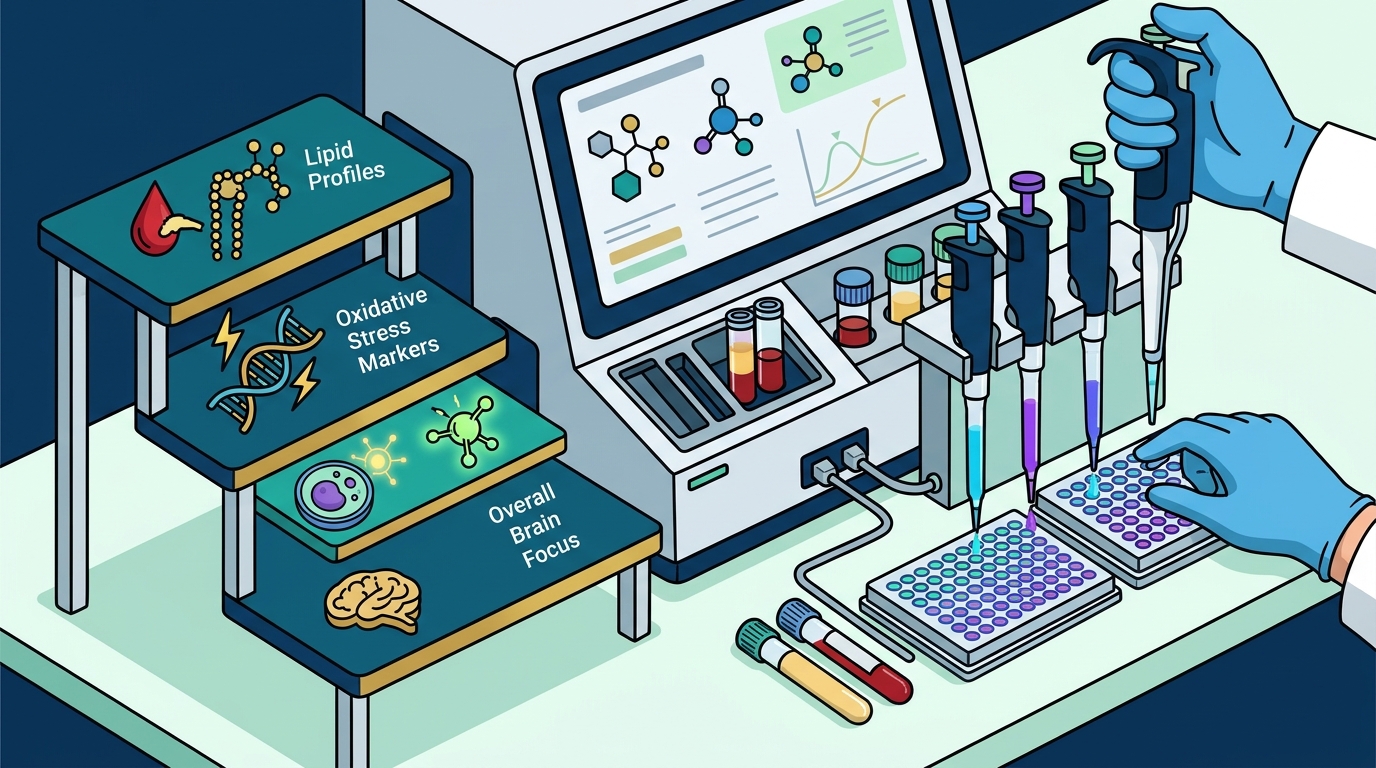
Biological age is a measure of physiological function that often differs from chronological age. To assess whether your body is maintaining optimal health, you should measure lipid profiles, oxidative stress markers, and metabolic indicators. Prodrome Science focuses on these specific biochemical systems to help you understand your cellular health status.
The Limitations of Chronological Age
Chronological age is simply the number of years since birth. It does not account for lifestyle, genetics, or environmental factors that influence how your body functions. Two people of the same age can have vastly different levels of physiological resilience. Relying solely on your birth year provides an incomplete picture of your current health status.
Research indicates that biological age is a more accurate predictor of long-term health outcomes than chronological age. A study published in Physiological Reviews highlights that many countries face unprecedented challenges in aging demographics, leading to exponential growth in research on the underpinnings of this biological process. Understanding the difference between these two types of age is the first step in taking control of your wellness journey.
Lipid Biomarkers and Membrane Integrity
Lipid biomarkers are molecules that reflect the structural integrity of your cell membranes. Plasmalogens are a specialized class of phospholipids found in almost every cell membrane in your body. They are most concentrated in tissues with high metabolic demand, including the brain, heart, and lungs. These lipids act as shock absorbers and flame retardants for your cellular structure.
Plasmalogen levels naturally change over time and may vary based on metabolic demand. Measuring these lipids provides insight into the health of your cellular membranes. At Prodrome Science, we emphasize the importance of lipid biology in maintaining overall cellular function. By monitoring these specific lipids, you can gain a deeper understanding of how your cells are performing their essential roles.
Oxidative Stress and Antioxidant Defense
Oxidative stress is a state where there is an imbalance between free radicals and antioxidants in your body. Free radicals are unstable molecules that can damage cells, proteins, and DNA. Your body has natural defense systems, including enzymes like catalase and superoxide dismutase (SOD), that help manage this stress. Measuring markers like malondialdehyde (MDA) can provide insight into the level of oxidative stress your cells are experiencing.
Healthy aging is associated with a balanced oxidative environment. When antioxidant defense systems are functioning well, your cells are better protected from damage. This balance is critical for maintaining energy production and cellular communication. By tracking these markers, you can assess how well your body is managing the natural wear and tear of daily life.
Metabolic Indicators and Energy Production
Metabolic indicators are measurements that reflect how efficiently your body converts food into energy. Key markers include glucose regulation, cholesterol transport, and mitochondrial function. Mitochondria are the powerhouses of your cells, and their health is closely linked to your overall vitality. As we age, mitochondrial function can change, affecting how much energy your cells produce.
Monitoring these metabolic markers helps you understand your body's energy reserves. A healthy metabolic profile supports physical performance and cognitive function. Prodrome Science provides tools to help you measure these deviations from optimal health. By focusing on metabolic health, you can make informed decisions about your nutrition and lifestyle choices.
How to Interpret Your Results
Interpreting biomarker results requires context. A single number does not tell the whole story. It is important to look at trends over time and consider how different markers interact with each other. For example, a change in lipid levels might be influenced by dietary intake or physical activity. Working with a health professional can help you make sense of your data.
Prodrome Science offers the BioMetrix BioScan, a research-grade health profiling tool that measures over 40 biomarkers. This test provides detailed reporting on plasmalogen levels and factors influencing their biosynthesis. It is designed for educational and informational purposes, helping you understand your biochemical health. To learn more about how to interpret these results, you can explore our science blog or consult with a practitioner.
Key Takeaways
- Biological age is a measure of physiological function that differs from chronological age.
- Lipid biomarkers, such as plasmalogens, reflect the structural integrity of cell membranes.
- Oxidative stress markers indicate the balance between free radicals and antioxidant defenses.
- Metabolic indicators show how efficiently your body produces and uses energy.
- Interpreting biomarker results requires looking at trends and context over time.
- Prodrome Science provides tools to measure these biochemical systems for educational purposes.
Frequently Asked Questions
What is biological age?
Biological age is a concept that uses biophysiological measures to determine an individual's age-related risk of adverse outcomes. It is distinct from chronological age, which is simply the number of years since birth.
Why are plasmalogens important for aging?
Plasmalogens are specialized phospholipids that play a role in cellular membranes and biochemical processes. They are highly concentrated in tissues with high metabolic demand and help maintain membrane integrity and function.
Can I measure my biological age at home?
While some basic markers can be measured at home, comprehensive biological age assessment often requires advanced laboratory testing. Prodrome Science offers the BioMetrix BioScan, which is a research-grade tool designed for use by health professionals and researchers.
What is the difference between ProdromeScan and BioMetrix BioScan?
The ProdromeScan is an earlier generation test focused on high-level lipid system sufficiency. The BioMetrix BioScan is a next-generation test that provides a more comprehensive systems biology approach, quantifying both lipidomics and a wider array of functional biochemical markers.
Are these tests diagnostic?
No. These tests are not intended for diagnostic, therapeutic, or clinical decision-making purposes. They are designed for research, educational, and informational use only. You should always seek the advice of a physician or other healthcare provider with any questions regarding your health.
Start Your Health Journey
Understanding your biological age is a powerful step toward maintaining long-term health. By measuring key biomarkers, you can gain insights into how your body is functioning and make informed decisions about your wellness. Prodrome Science is committed to helping you understand the biochemistry of health. Explore our products or learn more about the Elite Practitioner Program to deepen your knowledge of lipid biology and cellular health.
These statements have not been evaluated by the Food and Drug Administration. This product is not intended to diagnose, treat, cure, or prevent any disease.