

Restoring membrane phospholipids supports memory and focus by maintaining the structural integrity and fluidity of neuronal cell membranes. This process ensures efficient signal transmission and neurotransmitter release. This guide covers the biological mechanisms of membrane fluidity, synaptic plasticity, and acetylcholine neurotransmission. It also explains how targeted lipid nutrition supports these cellular functions.
Membrane Fluidity and Signal Speed
Membrane fluidity is the physical property that allows cell membranes to remain flexible and responsive to environmental changes. In the brain, this flexibility is critical for the rapid movement of ion channels and receptors across the neuronal surface. When membranes become too rigid, signal transmission slows down, which can impact cognitive processing speed.
The Role of Ether Lipids
Plasmalogens are a specialized class of ether phospholipids that contribute significantly to membrane fluidity. Unlike standard ester-linked phospholipids, plasmalogens contain a vinyl ether bond that provides unique biophysical properties. This bond helps maintain the appropriate spacing between lipid molecules, preventing the membrane from becoming overly packed and rigid.
Research indicates that plasmalogens are highly concentrated in tissues with high metabolic demand, such as the brain. By supporting the structural environment of the cell membrane, these lipids help maintain the dynamic state required for efficient neural communication. Prodrome Science emphasizes that these lipids are not just passive structural components but active participants in cellular health.
Impact on Cognitive Clarity
Optimal membrane fluidity supports the proper function of membrane-bound proteins, including those involved in sensory processing and motor control. When the lipid environment is balanced, neurons can respond more quickly to stimuli. This contributes to the subjective experience of mental clarity and focus. Individuals often report that maintaining healthy lipid levels helps them sustain attention during demanding tasks.
Synaptic Plasticity and Learning
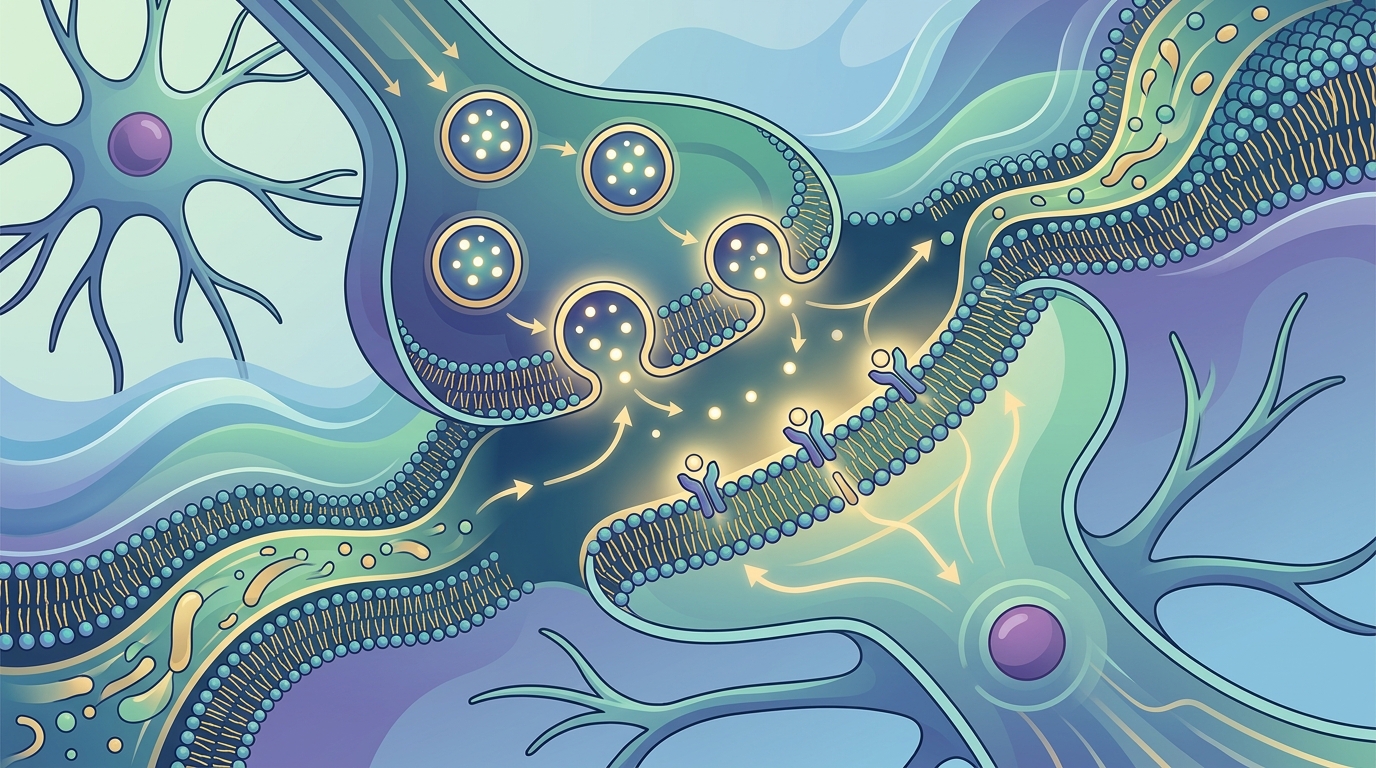
Synaptic plasticity is the ability of synapses to strengthen or weaken over time, which is the biological basis of learning and memory. This process requires significant changes in the structure and function of the postsynaptic membrane. The lipid composition of this membrane directly influences how easily these structural changes can occur.
Gray Matter and Synaptic Density
Gray matter in the brain is enriched with specific types of plasmalogens, particularly those containing omega-3 fatty acids. These lipids are essential for maintaining the high density of synapses found in cortical regions. By supporting the structural integrity of synaptic membranes, plasmalogens help preserve the capacity for new connections to form. This is vital for acquiring new skills and retaining information.
PlasmalogenN3 (formerly ProdromeNeuro) is formulated with omega-3 plasmalogen precursors designed to support this specific area of brain health. The product aims to provide the building blocks necessary for maintaining the fluid and dynamic nature of gray matter membranes. PlasmalogenN3 is available in both oil and softgel forms to suit different user preferences.
White Matter and Signal Integrity
While gray matter handles processing, white matter handles communication between different brain regions. White matter is composed largely of myelin, which is rich in omega-9 plasmalogens. These lipids support the structural stability of the myelin sheath, ensuring that electrical signals travel efficiently and without degradation. PlasmalogenN9 (formerly ProdromeGlia) provides omega-9 plasmalogen precursors to support this structural aspect of brain health.
Acetylcholine Neurotransmission
Acetylcholine neurotransmission is the chemical signaling process that uses acetylcholine to transmit messages between neurons. This neurotransmitter is crucial for attention, learning, and memory. The release and reuptake of acetylcholine depend heavily on the health of the presynaptic membrane and the availability of choline.
Choline and Phosphatidylcholine
Phosphatidylcholine (PC) is a major phospholipid in cell membranes and a primary source of choline. When PC is broken down, it releases choline, which is then used to synthesize acetylcholine. Therefore, maintaining adequate levels of PC in the brain is essential for sustaining acetylcholine production. Egg yolk-derived PC is often preferred because it is biochemically identical to human PC and provides a high bioavailability source.
Prodrome offers products that combine plasmalogens with phosphatidylcholine to support this dual pathway. For example, Neuro PC+ combines omega-3 plasmalogens with egg yolk oil to support both membrane structure and neurotransmitter synthesis. This approach addresses the lipid environment and the raw materials needed for signaling.
Receptor Function and Membrane Environment
The function of acetylcholine receptors is also influenced by the lipid environment surrounding them. Receptors embedded in a fluid and well-organized membrane are more likely to respond correctly to neurotransmitter binding. By supporting the overall health of the cell membrane, plasmalogens help create an optimal environment for these receptors to function. This contributes to sustained focus and the ability to filter out distractions.
Comparing Lipid Profiles
Understanding the differences between various lipid types helps in selecting the right support for specific cognitive goals. The table below summarizes the key characteristics of the primary plasmalogen types and their associated benefits.
| Lipid Type | Primary Brain Region | Key Function | Associated Product |
|---|---|---|---|
| Omega-3 Plasmalogens | Gray Matter | Supports synaptic density and processing speed | PlasmalogenN3 |
| Omega-9 Plasmalogens | White Matter | Supports myelin integrity and signal transmission | PlasmalogenN9 |
| Phosphatidylcholine | Global Membrane | Provides choline for neurotransmitter synthesis | Neuro PC+ |
Choosing between these options often depends on individual goals. Those focused on processing speed and learning may prioritize omega-3 support, while those concerned with communication efficiency and structural integrity may focus on omega-9 support. Many users find that a combination approach provides comprehensive support for overall cognitive function.
Key Takeaways
- Membrane fluidity is essential for fast and efficient neural signal transmission.
- Plasmalogens are ether phospholipids that contribute to membrane flexibility and stability.
- Synaptic plasticity, the basis of learning, depends on the structural integrity of synaptic membranes.
- Gray matter is enriched with omega-3 plasmalogens, which support processing and focus.
- White matter relies on omega-9 plasmalogens to maintain myelin sheath integrity.
- Phosphatidylcholine provides the choline needed for acetylcholine synthesis.
- Targeted lipid nutrition can support the structural and functional aspects of brain health.
- Prodrome offers a range of products to support different aspects of membrane biology.
Frequently Asked Questions
What are plasmalogens?
Plasmalogens are a specialized class of ether phospholipids found in high concentrations in cell membranes, particularly in the brain. They play a key role in maintaining membrane fluidity and protecting cells from oxidative stress.
How do plasmalogens support memory?
Plasmalogens support memory by maintaining the structural integrity of neuronal membranes. This ensures that synapses can function properly and that signals are transmitted efficiently, which is fundamental to the processes of learning and recall.
What is the difference between PlasmalogenN3 and PlasmalogenN9?
PlasmalogenN3 (formerly ProdromeNeuro) contains omega-3 plasmalogen precursors and targets gray matter. PlasmalogenN9 (formerly ProdromeGlia) contains omega-9 plasmalogen precursors and targets white matter. They support different aspects of brain structure and function.
Can I take plasmalogens with other supplements?
Yes, plasmalogens are generally well-tolerated and can be taken with other supplements. However, it is always recommended to consult with a healthcare professional before starting any new supplement regimen, especially if you are taking other medications.
How long does it take to see results?
Individual experiences vary, but many users report noticing changes in focus and clarity within a few weeks of consistent use. Because these are structural components of the cell membrane, the effects may build over time as the lipid environment is optimized.
Are Prodrome products available on Amazon?
Yes, Prodrome products, including PlasmalogenN3, PlasmalogenN9, and ProdromeScan, are available on Amazon. You can also purchase directly from the Prodrome website for additional support and resources.
Conclusion
Restoring membrane phospholipids is a foundational approach to supporting memory and focus. By maintaining the fluidity, integrity, and signaling capacity of neuronal membranes, individuals can create the biological environment necessary for optimal cognitive performance. Prodrome Science provides targeted solutions, such as PlasmalogenN3 and PlasmalogenN9, to support these critical cellular processes. For those seeking personalized guidance, the Elite Practitioner Program offers advanced training for healthcare professionals. To explore the full range of products and resources, visit Prodrome Science.
These statements have not been evaluated by the Food and Drug Administration. This product is not intended to diagnose, treat, cure, or prevent any disease.