

Plasmalogens are specialized phospholipids that form a critical structural layer in cell membranes, particularly in the brain. They support membrane integrity, fluidity, and signaling efficiency. By maintaining the physical architecture of neuronal membranes, these lipids help ensure stable cellular communication and metabolic function. This article explores the biochemical mechanisms behind plasmalogen function and how they contribute to healthy brain tissue structure.
The Structural Role of Plasmalogens in Membranes
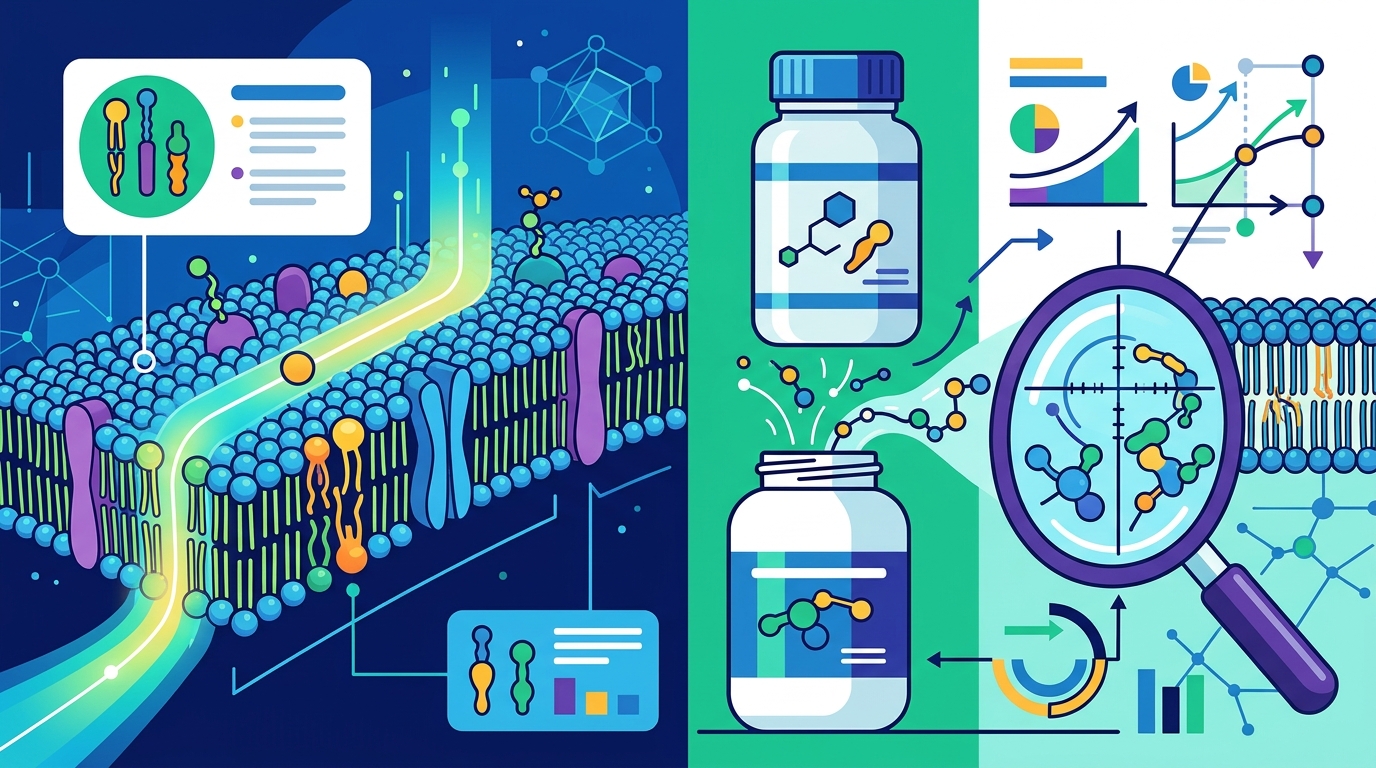
Plasmalogens are a unique class of phospholipids characterized by a vinyl ether bond at the sn-1 position of the glycerol backbone. This specific chemical structure distinguishes them from other phospholipids like phosphatidylcholines. The vinyl ether bond provides distinct biophysical properties that influence how the membrane behaves under various conditions. In the brain, plasmalogens are highly concentrated in the membranes of neurons and glial cells. Their presence is not incidental; it is a fundamental aspect of neuronal membrane architecture.
The primary function of this structural component is to maintain membrane fluidity and stability. Membranes must be flexible enough to allow for the movement of proteins and the formation of signaling complexes, yet stable enough to maintain the separation between the intracellular and extracellular environments. Plasmalogens contribute to this balance by organizing the lipid bilayer. Research indicates that the unique geometry of plasmalogens helps pack lipids in a way that supports optimal membrane curvature and domain formation. This organization is essential for the proper localization of ion channels and receptors on the cell surface.
Furthermore, plasmalogens are involved in the formation of lipid rafts, which are microdomains enriched in cholesterol and sphingolipids. These rafts serve as platforms for signal transduction. By integrating into these domains, plasmalogens help regulate the activity of key signaling molecules. This structural integration ensures that signals are transmitted efficiently and accurately. Without adequate plasmalogen content, the organization of these signaling platforms may be disrupted, potentially affecting the speed and fidelity of neural communication.
Antioxidant Defense and Membrane Integrity
Beyond their structural role, plasmalogens play a significant part in cellular defense mechanisms. The vinyl ether bond in plasmalogens is susceptible to oxidation, but this susceptibility is functional. When plasmalogens are oxidized, they act as sacrificial antioxidants, protecting other critical membrane components from oxidative damage. This process helps maintain the overall integrity of the membrane under oxidative stress. By absorbing oxidative hits, plasmalogens prevent the propagation of lipid peroxidation chains that could otherwise compromise membrane stability.
This antioxidant function is particularly important in the brain, which has a high metabolic rate and a high oxygen consumption. Neurons are constantly generating reactive oxygen species (ROS) as a byproduct of energy production. While ROS are necessary for signaling, excessive levels can damage cellular components. Plasmalogens help mitigate this damage by serving as a first line of defense. Studies have shown that plasmalogens can scavenge free radicals and reduce the formation of toxic lipid peroxidation products. This protective role helps preserve the functional capacity of the membrane and the proteins embedded within it.
The relationship between plasmalogens and oxidative stress is dynamic. As plasmalogens are oxidized, they are removed from the membrane and replaced by newly synthesized molecules. This turnover process ensures that the membrane remains protected and functional. The rate of this turnover can be influenced by various factors, including age and metabolic status. Maintaining adequate levels of plasmalogens supports the continuous renewal of this protective layer, contributing to long-term membrane health.
Plasmalogen Biosynthesis and the Kennedy Pathway
The body produces plasmalogens through a complex biosynthetic pathway known as the Kennedy pathway. This pathway involves several enzymatic steps that convert phosphatidic acid into plasmalogens. The process begins with the formation of 1-alkyl-2-acylglycerophosphocholine, which is then converted into plasmalogens through a series of reactions. The Kennedy pathway is active in various tissues, but it is particularly prominent in the brain, heart, and skeletal muscle. Understanding this pathway is crucial for appreciating how the body maintains its plasmalogen pool.
The synthesis of plasmalogens requires specific precursors and cofactors. One key precursor is choline, which is used to form the phosphocholine head group. Another important component is the alkyl group, which is derived from fatty acids. The availability of these precursors can influence the rate of plasmalogen synthesis. In addition to precursors, the pathway requires enzymes such as alkylglycerophosphocholine synthase and plasmalogen synthase. The activity of these enzymes is regulated by various cellular signals, ensuring that plasmalogen production matches the needs of the cell.
As individuals age, the efficiency of the Kennedy pathway may change. Some studies suggest that plasmalogen levels naturally decline with age, potentially due to reduced biosynthetic capacity or increased oxidative turnover. This age-related change in plasmalogen content has been observed in various tissues, including the brain. The implications of this decline for membrane function are an area of ongoing research. By understanding the biosynthetic process, we can better appreciate the factors that influence plasmalogen levels and their impact on cellular health.
Distribution in Gray and White Matter
Plasmalogens are not distributed uniformly throughout the brain. Their concentration varies depending on the type of tissue and the specific cellular functions required. In gray matter, which is rich in neuronal cell bodies and synapses, plasmalogens are particularly abundant. This high concentration supports the intense metabolic activity and signaling demands of neurons. The presence of plasmalogens in gray matter helps maintain the structural integrity of neuronal membranes, which is essential for proper synaptic transmission.
In white matter, which consists primarily of myelinated axons, plasmalogens also play a significant role. Myelin is a specialized membrane structure that insulates axons and facilitates rapid signal conduction. Plasmalogens are found in high concentrations in myelin, where they contribute to its stability and function. The unique properties of plasmalogens help maintain the fluidity and integrity of the myelin sheath, which is critical for efficient neural communication. Disruptions in plasmalogen content in white matter may affect the structural properties of myelin, potentially impacting signal transmission speed.
The differential distribution of plasmalogens in gray and white matter reflects the distinct functional requirements of these brain regions. Gray matter requires plasmalogens to support high levels of synaptic activity and signaling, while white matter requires them to maintain the structural integrity of myelin. This specialized distribution ensures that each region of the brain has the appropriate lipid composition to perform its specific functions. Understanding this distribution helps explain why plasmalogens are so important for overall brain health and function.
Key Takeaways
- Plasmalogens are specialized phospholipids with a vinyl ether bond that provides unique biophysical properties to cell membranes.
- They support membrane fluidity, stability, and the organization of signaling platforms like lipid rafts.
- Plasmalogens act as sacrificial antioxidants, protecting membranes from oxidative damage and lipid peroxidation.
- The Kennedy pathway is the primary biosynthetic route for plasmalogens, requiring specific precursors and enzymes.
- Plasmalogen levels are high in both gray and white matter, supporting distinct functions in neurons and myelin.
- Maintaining adequate plasmalogen levels is important for preserving the structural integrity of brain cell membranes.
Frequently Asked Questions
What is the primary function of plasmalogens in the brain?
The primary function of plasmalogens is to support the structural integrity and fluidity of cell membranes. They help maintain the organization of lipid rafts and protect membranes from oxidative damage. This structural support is essential for proper neural signaling and communication.
How are plasmalogens different from other phospholipids?
Plasmalogens are distinguished by the presence of a vinyl ether bond at the sn-1 position of the glycerol backbone. This bond gives them unique biophysical properties, such as increased resistance to oxidation and specific effects on membrane curvature. These properties make them particularly important in high-energy tissues like the brain.
Do plasmalogen levels change with age?
Yes, plasmalogen levels can change with age. Some studies have observed a decline in plasmalogen content in various tissues, including the brain, as individuals age. This change may be related to alterations in biosynthetic capacity or increased oxidative turnover. The functional implications of these changes are an area of ongoing research.
Can plasmalogens be supplemented?
Plasmalogens can be supported through dietary sources or supplements. Prodrome offers plasmalogen precursors that are designed to support the body's natural production of these lipids. These supplements are intended to provide the building blocks necessary for maintaining healthy membrane structure. Always consult with a healthcare provider before starting any new supplement regimen.
What is the Kennedy pathway?
The Kennedy pathway is the biochemical pathway responsible for the synthesis of plasmalogens. It involves a series of enzymatic reactions that convert phosphatidic acid into plasmalogens. This pathway is active in various tissues and is crucial for maintaining the body's plasmalogen pool.
Conclusion
Plasmalogens are essential components of brain cell membranes, providing structural support, antioxidant protection, and signaling organization. Their unique chemical structure and distribution in gray and white matter highlight their importance in maintaining healthy neural function. By understanding the role of plasmalogens in membrane biology, we can appreciate the complexity of cellular health and the factors that influence it. Prodrome is dedicated to providing high-quality plasmalogen supplements that support the body's natural processes. To learn more about how plasmalogens can support your health, visit the Plasmalogens page on the Prodrome website. These statements have not been evaluated by the Food and Drug Administration. This product is not intended to diagnose, treat, cure, or prevent any disease.