

Regular physical activity supports brain function by enhancing blood flow, promoting neuroplasticity, and maintaining cellular membrane integrity. For individuals navigating the aging process, movement is a foundational tool for preserving cognitive resilience. Prodrome Science emphasizes that while exercise is a powerful lifestyle factor, it works best alongside targeted nutritional support for lipid biology. This article explores the physiological mechanisms through which movement benefits the brain and how it complements a comprehensive wellness approach.
The Vascular Connection: Blood Flow and Brain Health
The brain requires a constant and robust supply of oxygen and nutrients to function optimally. Regular aerobic exercise strengthens the cardiovascular system, which in turn improves cerebral blood flow. Enhanced circulation ensures that neurons receive the resources they need to maintain their metabolic activity. This vascular support is critical because the brain is highly sensitive to changes in blood supply.
Research indicates that consistent physical activity can increase the volume of gray matter in the brain. A study published in the journal Nature Medicine demonstrated that aerobic exercise is associated with increased gray matter volume in older adults. This structural change is linked to better cognitive performance. By keeping the vascular system healthy, exercise helps maintain the physical infrastructure of the brain.
Neuroplasticity and Synaptic Strength
Neuroplasticity is the brain's ability to reorganize itself by forming new neural connections throughout life. Exercise stimulates the release of neurotrophic factors, such as Brain-Derived Neurotrophic Factor (BDNF), which support the survival and growth of neurons. These factors act like fertilizer for the brain, encouraging the formation of new synapses. Stronger synaptic connections facilitate faster and more efficient communication between brain regions.
Engaging in regular movement, particularly activities that challenge balance and coordination, has been shown to enhance memory and learning capabilities. A review in Frontiers in Aging Neuroscience highlights that physical activity promotes synaptic plasticity, which is essential for adapting to new information. This adaptability is a key component of cognitive resilience as we age.
Cellular Membrane Integrity and Lipid Biology
While exercise improves blood flow and plasticity, the structural integrity of cell membranes is equally vital. Plasmalogens are a specialized class of phospholipids that are abundant in brain tissue and play a crucial role in membrane stability and antioxidant defense. These lipids help protect cells from oxidative stress, a natural byproduct of high metabolic activity. Maintaining healthy levels of these structural lipids is essential for long-term cellular health.
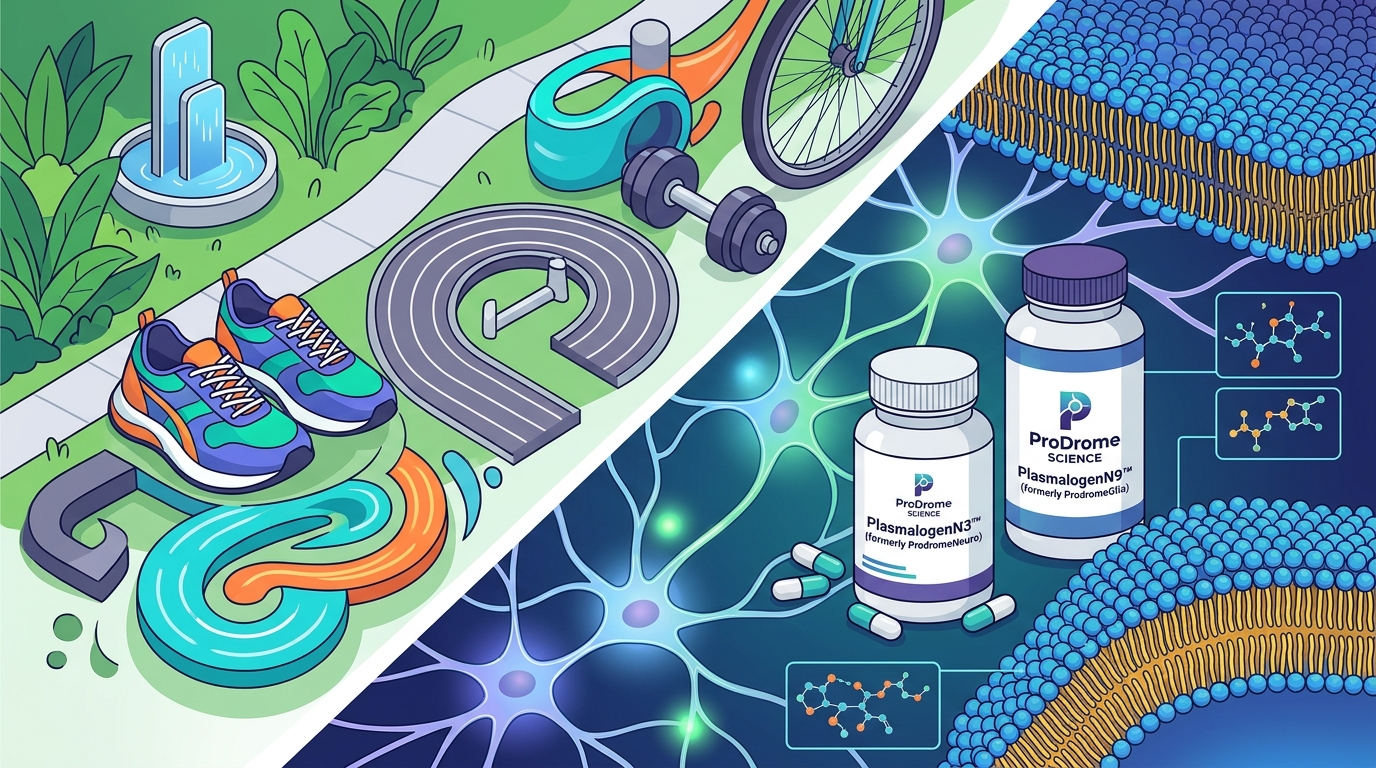
Prodrome Science focuses on the role of plasmalogens in supporting brain health. Our products, such as PlasmalogenN9™ (formerly ProdromeGlia) and PlasmalogenN3™ (formerly ProdromeNeuro), are designed to support the availability of these critical lipids. By combining the benefits of regular exercise with targeted lipid nutrition, individuals can address both the vascular and structural aspects of brain health. This holistic approach ensures that the brain is supported from the inside out.
Combining Movement with Targeted Nutrition
Exercise is not a standalone solution for brain health; it is one pillar of a broader wellness strategy. Integrating physical activity with a diet rich in healthy fats and targeted supplements can create a synergistic effect. For example, individuals who engage in regular aerobic exercise may benefit from ensuring their cellular membranes are well-supported with essential lipids. This combination helps optimize the brain's response to physical stress and daily demands.
Health professionals can play a key role in guiding this integration. The Elite Practitioner Program provides training on how to support clients in adopting comprehensive wellness routines. By understanding the interplay between lifestyle factors and lipid biology, practitioners can offer more effective guidance. This ensures that clients receive a well-rounded approach to maintaining their cognitive function.
Key Takeaways
- Regular aerobic exercise improves cerebral blood flow, ensuring the brain receives adequate oxygen and nutrients.
- Plasmalogens are essential phospholipids that contribute to cellular membrane integrity and antioxidant defense in the brain.
- Combining exercise with targeted lipid nutrition, such as plasmalogen precursors, supports a holistic approach to brain health.
- Health professionals can guide clients in integrating lifestyle changes with nutritional support for optimal outcomes.
- Consistency in physical activity is more important than intensity when aiming for long-term cognitive resilience.
Frequently Asked Questions
How much exercise is needed to support brain health?
Most health guidelines recommend at least 150 minutes of moderate-intensity aerobic activity per week. However, even smaller amounts of regular movement can provide benefits. The key is consistency. Individuals should aim for a routine that they can sustain over time, incorporating activities they enjoy to ensure long-term adherence.
Can supplements replace the benefits of exercise?
No, supplements are designed to support, not replace, lifestyle factors. Exercise provides unique benefits, such as improved cardiovascular health and mood regulation, that cannot be replicated by nutrition alone. A comprehensive approach that includes both physical activity and targeted nutritional support is generally considered most effective for maintaining overall health.
What types of exercise are best for the brain?
Aerobic exercises like walking, swimming, and cycling are excellent for improving blood flow. Additionally, activities that challenge balance and coordination, such as yoga or dance, may further support neuroplasticity. The best type of exercise is one that an individual is willing to perform regularly and consistently.
How do plasmalogens relate to exercise?
Plasmalogens are structural lipids that help maintain the integrity of cell membranes. While exercise increases metabolic demand and oxidative stress, healthy membrane composition helps cells manage these changes. Supporting plasmalogen levels may help maintain cellular resilience during periods of increased physical activity.
Is it too late to start exercising for brain benefits?
It is never too late to start. Research suggests that even older adults can experience improvements in cognitive function and brain structure when they begin regular physical activity. Starting slowly and gradually increasing intensity can help prevent injury and build a sustainable habit.
Where can I find a health professional who understands lipid biology?
You can search for a practitioner through the Elite Prodrome Professional Directory. These professionals have completed training on plasmalogen science and can provide guidance on integrating nutrition with lifestyle changes. They are equipped to help you develop a personalized wellness plan.
Conclusion
Regular exercise is a powerful tool for supporting brain function in aging. By enhancing blood flow, promoting neuroplasticity, and working in tandem with cellular membrane health, physical activity lays the foundation for cognitive resilience. At Prodrome Science, we believe in a holistic approach that combines the benefits of movement with targeted lipid nutrition. To explore how you can support your brain health, contact our team to learn more about our products and professional resources. Remember, consistency is key, and small, sustainable changes can make a significant difference over time.
These statements have not been evaluated by the Food and Drug Administration. This product is not intended to diagnose, treat, cure, or prevent any disease.