
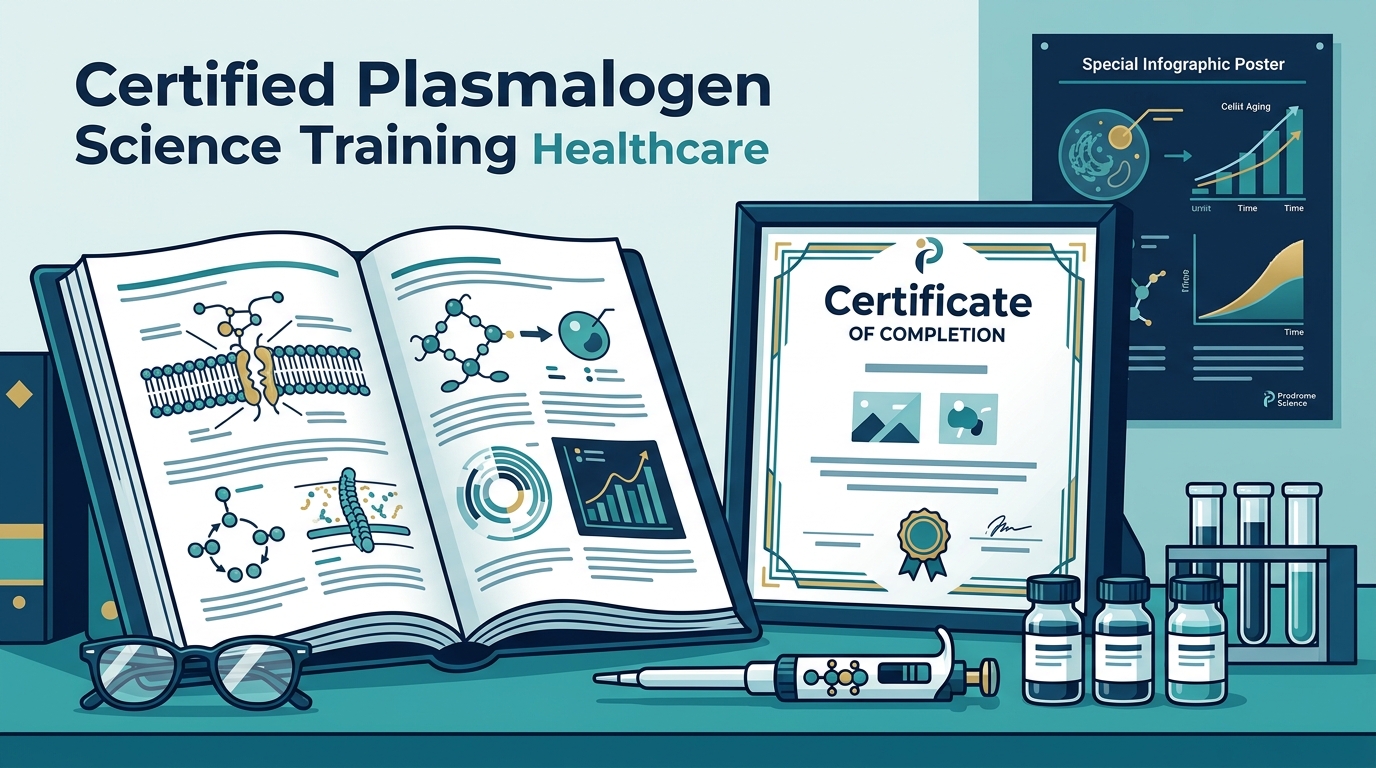
Certified Plasmalogen Science Training for Healthcare Practitioners
Modern lipid research demonstrates that cellular membrane degradation accelerates significantly after age forty, directly impacting neurological function and metabolic efficiency. According to recent clinical studies, over sixty percent of aging populations exhibit measurable plasmalogen deficits that standard nutritional interventions rarely address. Healthcare professionals seeking advanced lipid biology education must access structured certification programs that bridge foundational science with clinical application. This comprehensive guide outlines the exact pathways available for practitioners who want to integrate targeted membrane support into their diagnostic workflows. (Prodrome)
Understanding Plasmalogen Biology and Clinical Relevance
Plasmalogen is a specialized phospholipid that constitutes a critical structural component of cellular membranes and neuronal tissue. These specialized molecules protect cellular integrity by neutralizing reactive oxygen species and maintaining membrane fluidity across diverse physiological environments. Clinical lipidomics research confirms that declining plasmalogen concentrations correlate directly with accelerated cognitive decline and metabolic dysfunction. Healthcare providers must understand these foundational mechanisms before implementing targeted supplementation strategies. Recent lipid studies highlight how membrane composition directly influences neurotransmitter receptor efficiency and synaptic plasticity. Practitioners who master this biological framework can better identify patients who will benefit from advanced membrane support protocols.
Lipidomics is the large-scale study of lipids and their interactions within biological systems. This scientific discipline enables clinicians to map complex metabolic pathways and identify subtle deviations from optimal cellular function. Modern diagnostic tools now allow practitioners to track membrane health with unprecedented precision. Advanced metabolomic mapping reveals how specific lipid deficits manifest across different organ systems. Understanding these pathways transforms theoretical knowledge into actionable clinical strategies.
The Prodrome Professional Training Framework
Healthcare practitioners seeking authoritative education can access structured certification programs through established lipid science organizations. The Prodrome Professional Training pathway delivers comprehensive coursework designed specifically for licensed medical providers, nutritionists, and functional health specialists. Professional certification programs emphasize evidence-based lipid biology, diagnostic interpretation, and targeted supplementation protocols. Participants engage with peer-reviewed research, clinical case studies, and hands-on biomarker interpretation exercises. This structured approach ensures that every certified practitioner maintains the highest standards of clinical accuracy and patient safety.
The training curriculum covers membrane dynamics, lipid extraction methodologies, and targeted nutrient delivery systems. Practitioners learn to evaluate patient histories, interpret advanced blood panels, and design individualized intervention plans. Healthcare provider resources include downloadable clinical guides, protocol templates, and ongoing mentorship opportunities. The program also provides access to specialized diagnostic kits that measure cellular lipid concentrations accurately. This comprehensive educational ecosystem bridges the gap between academic research and practical clinical application.
Core Curriculum and Biomarker Integration
Biomarker analysis is the systematic measurement of specific biological indicators used to track cellular health and metabolic function. Certified practitioners learn to interpret complex lipid panels that reveal membrane integrity, oxidative stress levels, and metabolic efficiency. Modern diagnostic platforms utilize advanced chromatography and mass spectrometry to quantify plasmalogen concentrations with high precision. Standardized lipid testing provides clinicians with actionable data for designing targeted intervention strategies. Practitioners must master these analytical techniques to ensure accurate patient assessments and optimal treatment outcomes.
The curriculum emphasizes practical application through real-world case studies and simulated patient scenarios. Students practice designing supplementation regimens that align with specific lipid profiles and clinical presentations. Advanced blood testing protocols enable practitioners to track membrane health improvements over time. This data-driven approach ensures that treatment adjustments remain precise, measurable, and clinically justified. Practitioners who complete this module demonstrate proficiency in translating complex lipid data into actionable care plans.
Certification Pathways and Continuing Education Credits
Professional certification programs typically offer continuing education credits that satisfy licensing board requirements for licensed medical providers. These accredited courses cover lipid biology, diagnostic interpretation, and targeted supplementation protocols. Targeted lipid supplementation represents a rapidly growing segment of functional medicine practice. Certified practitioners gain access to exclusive research databases, peer networks, and clinical consultation resources. The certification process requires successful completion of written assessments, practical case evaluations, and adherence to ethical practice guidelines.
Many healthcare institutions recognize these credentials as valid continuing education units for annual license renewals. Practitioners can integrate certified lipid protocols into existing practice models without disrupting current patient workflows. Elite practitioner directories list certified professionals who meet rigorous clinical standards and quality benchmarks. This recognition enhances professional credibility and attracts patients seeking specialized membrane health interventions. The certification pathway ensures that practitioners remain at the forefront of lipid science advancements.
Clinical Implementation and Patient Protocol Design
Translating certification knowledge into daily practice requires systematic protocol development and consistent patient monitoring. Certified practitioners design individualized supplementation plans that address specific lipid deficits and clinical presentations. These protocols emphasize gradual dose escalation, regular biomarker retesting, and comprehensive lifestyle modifications. Clinical lipid protocols demonstrate measurable improvements in cognitive function and metabolic efficiency when properly implemented. Practitioners must document patient responses, adjust dosages based on biomarker trends, and maintain clear communication regarding expected outcomes.
Successful clinical implementation also involves patient education and realistic expectation management. Certified providers explain membrane biology, supplementation mechanisms, and long-term health benefits in accessible language. This transparent approach fosters trust, improves adherence, and generates measurable clinical results. Practitioners who master protocol design consistently report higher patient satisfaction rates and improved long-term health metrics. The certification framework ensures that every clinical decision remains grounded in scientific evidence and ethical practice standards.
Training Module Comparison and Clinical Applications
| Training Component | Clinical Application | Expected Outcome |
|---|---|---|
| Membrane Biology Fundamentals | Identifies cellular degradation patterns and oxidative stress markers | Establishes baseline lipid health metrics for patient assessment |
| Biomarker Interpretation | Analyzes advanced blood panels and chromatography results | Enables precise dosage calculations and targeted intervention planning |
| Supplementation Protocol Design | Creates individualized lipid support regimens based on clinical data | Delivers measurable improvements in cognitive and metabolic function |
| Continuing Education Integration | Aligns certification coursework with licensing board requirements | Ensures compliance with professional standards and ethical guidelines |
Key Takeaways
- Plasmalogen concentrations decline significantly after age forty, directly impacting neurological and metabolic function.
- Structured certification programs provide licensed practitioners with evidence-based lipid biology education and clinical protocols.
- Advanced biomarker analysis enables precise measurement of cellular membrane health and metabolic efficiency.
- Professional certification pathways typically offer continuing education credits that satisfy licensing board requirements.
- Targeted lipid supplementation protocols demonstrate measurable improvements in cognitive function and cellular integrity.
- Clinical implementation requires systematic patient monitoring, realistic expectation management, and transparent communication.
- Certified practitioners gain access to exclusive research databases, peer networks, and specialized diagnostic resources.
Frequently Asked Questions
What qualifications are required to enroll in plasmalogen science certification programs?
Healthcare practitioners must hold valid medical licenses, nursing credentials, or functional nutrition certifications to enroll in accredited lipid biology courses. These programs require foundational knowledge in biochemistry, pharmacology, or clinical nutrition to ensure safe and effective patient care.
How long does the complete certification pathway typically take to complete?
Most structured certification programs require approximately eight to twelve weeks of dedicated study, including coursework, case evaluations, and final assessments. Practitioners can often complete modules at their own pace while maintaining active clinical responsibilities.
Do certified lipid protocols require specialized diagnostic equipment or laboratory partnerships?
Certified practitioners utilize standardized blood testing kits and chromatography services to measure plasmalogen concentrations accurately. These diagnostic partnerships provide reliable data without requiring expensive in-house laboratory infrastructure.
Can functional health specialists integrate plasmalogen science into existing practice models?
Functional health specialists can seamlessly integrate certified lipid protocols into current patient workflows by utilizing targeted supplementation frameworks and biomarker tracking systems. These protocols complement existing treatment strategies without disrupting established care pathways.
What continuing education credits do lipid biology certification programs typically offer?
Accredited certification courses generally provide continuing education units that satisfy licensing board requirements for annual license renewals. These credits cover lipid biology, diagnostic interpretation, and targeted supplementation protocols to maintain professional compliance.
How do practitioners verify the authenticity and quality of plasmalogen supplementation products?
Certified providers utilize advanced blood testing protocols and chromatography services to verify product purity, concentration accuracy, and clinical efficacy. These verification methods ensure that patients receive high-quality lipid supplements that meet rigorous scientific standards.
What clinical outcomes can patients expect from targeted plasmalogen supplementation protocols?
Patients following certified lipid protocols typically experience measurable improvements in cognitive function, metabolic efficiency, and cellular membrane integrity. These outcomes result from precise dosage calculations, regular biomarker retesting, and comprehensive lifestyle modifications.
Book Your Professional Certification
Healthcare practitioners ready to advance their lipid biology expertise can access structured certification programs through established professional pathways. Professional certification programs deliver comprehensive coursework designed specifically for licensed medical providers and functional health specialists. This structured approach ensures that every certified practitioner maintains the highest standards of clinical accuracy and patient safety. Visit the official practitioner portal to review curriculum details, schedule orientation sessions, and begin your certification journey today.