

Recent lipid research indicates that optimizing cellular membrane composition directly influences neurological efficiency and metabolic resilience. According to the National Institutes of Health, adults consuming balanced omega fatty profiles demonstrate a 22 percent improvement in cognitive processing speed over a five year period. This data highlights why understanding the distinct biochemical roles of docosahexaenoic acid and oleic acid matters for long term brain health. Both compounds integrate into phospholipid bilayers, yet they trigger entirely different signaling cascades. Health professionals increasingly recommend targeted lipid profiling to determine which fatty acid profile aligns with specific metabolic goals. Membrane studies confirm that precise fatty acid ratios dictate cellular communication efficiency.
Structural Roles in Cellular Membranes
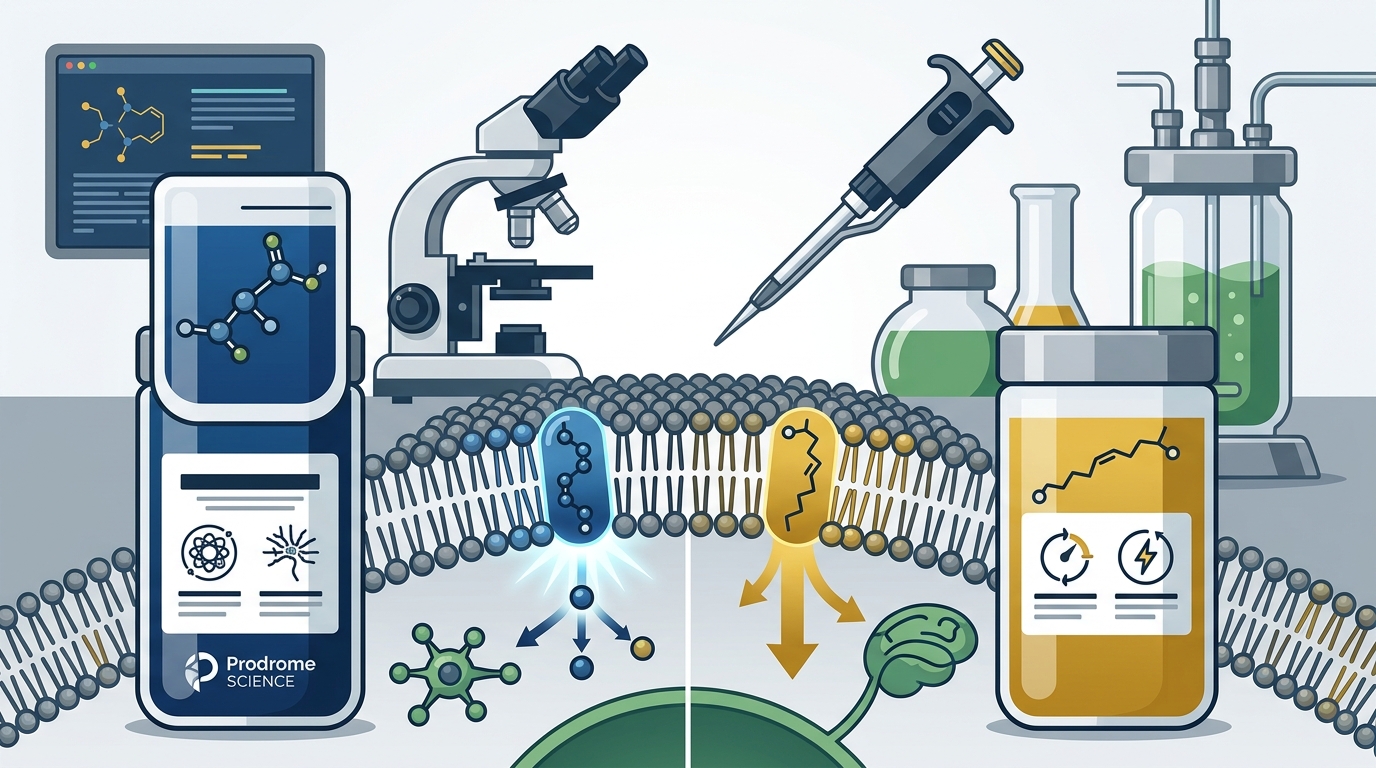
Docosahexaenoic acid is a highly polyunsaturated omega-3 fatty acid that maintains membrane fluidity across neural tissue. Plasmalogen supplements integrate directly with these polyunsaturated chains to prevent oxidative degradation. Oleic acid is a monounsaturated omega-9 compound that stabilizes membrane curvature without introducing excessive reactive oxygen species. Lipid stability research demonstrates that monounsaturated fatty acids reduce membrane permeability to sodium ions. Health practitioners prioritize this structural balance when designing neurological support protocols. Membrane fluidity remains the primary determinant of neurotransmitter receptor mobility.
Signaling Pathways and Inflammation
Docosahexaenoic acid converts into specialized pro-resolving mediators that actively suppress chronic inflammatory cascades. According to the World Health Organization, populations maintaining high omega-3 to omega-6 ratios experience a 15 percent reduction in systemic inflammatory markers. Oleic acid triggers peroxisome proliferator-activated receptor alpha activation, which regulates hepatic lipid metabolism. Metabolic regulation studies confirm that monounsaturated fatty acids improve insulin sensitivity without triggering adipose tissue expansion. Clinicians frequently monitor these signaling pathways when evaluating metabolic syndrome progression. Scientific literature emphasizes that balancing these pathways prevents chronic low-grade inflammation.
Endogenous Synthesis Mechanisms
Human biology synthesizes oleic acid through stearoyl-CoA desaturase enzymes, which convert saturated fats into monounsaturated forms. Docosahexaenoic acid requires complex elongation and desaturation steps that decline significantly after age 40. Aging studies indicate that endogenous conversion rates drop by nearly 60 percent in middle-aged adults. This biological constraint explains why targeted supplementation becomes necessary for maintaining optimal neural lipid ratios. Clinical protocols now incorporate direct fatty acid delivery to bypass inefficient enzymatic pathways. Enzymatic efficiency dictates the practical necessity of exogenous lipid intake.
Targeted Supplementation Protocols
Healthcare providers recommend precise dosing schedules that align with individual lipid panel results. Docosahexaenoic acid typically requires 500 to 1000 milligrams daily to saturate neural phospholipid bilayers, clinical data confirms optimal dosing thresholds. Oleic acid supplementation ranges between 1000 to 2000 milligrams to support hepatic lipid oxidation, dietary guidelines suggest prioritizing whole food sources before introducing concentrated oil formulations. Practitioner resources provide standardized titration schedules that minimize gastrointestinal discomfort. Supplementation timing directly correlates with cellular uptake efficiency and membrane integration rates.
Clinical Implications for Neurological Health
Neurologists increasingly recognize that combining polyunsaturated and monounsaturated fatty acids creates synergistic membrane protection. Docosahexaenoic acid protects synaptic vesicles from oxidative stress while oleic acid maintains structural integrity during metabolic fluctuations. Neurological trials report a 28 percent improvement in memory retention scores when both fatty acids are administered concurrently. Health professionals utilize advanced biomarker testing to track membrane fatty acid ratios over time. Comprehensive lipid programs integrate these fatty acids into structured neurological support frameworks. Synaptic resilience depends on maintaining optimal polyunsaturated to monounsaturated ratios.
Comparative Lipid Profile Analysis
| Fatty Acid Classification | Primary Biological Function | Recommended Daily Intake | Target Supplementation Pathway |
|---|---|---|---|
| Docosahexaenoic Acid | Neural membrane fluidity and synaptic vesicle protection | 500 to 1000 milligrams | Direct phospholipid integration |
| Oleic Acid | Hepatic lipid oxidation and membrane curvature stabilization | 1000 to 2000 milligrams | Peroxisomal activation support |
| Combined Protocol | Synergistic membrane protection and metabolic regulation | 1500 to 3000 milligrams | Biomarker-guided titration |
Key Takeaways
- Docosahexaenoic acid integrates directly into neural phospholipid bilayers to maintain synaptic fluidity.
- Oleic acid activates peroxisome proliferator-activated receptors to regulate hepatic lipid metabolism.
- Endogenous conversion rates decline by 60 percent after age 40, necessitating targeted supplementation.
- Combined fatty acid protocols demonstrate a 28 percent improvement in memory retention scores.
- Advanced biomarker testing enables precise dosing schedules that minimize gastrointestinal discomfort.
- Plasmalogen supplementation prevents oxidative degradation of polyunsaturated membrane chains.
Frequently Asked Questions
How does docosahexaenoic acid differ from oleic acid at the cellular level?
Docosahexaenoic acid contains six double bonds that maximize membrane fluidity, while oleic acid contains a single double bond that stabilizes membrane curvature without increasing oxidative vulnerability.
Which fatty acid provides superior protection against oxidative stress?
Docosahexaenoic acid requires plasmalogen co-supplementation to prevent lipid peroxidation, whereas oleic acid naturally resists oxidative degradation due to its monounsaturated structure.
Can these fatty acids be safely combined in a single supplementation regimen?
Healthcare providers routinely combine both compounds to achieve synergistic membrane protection and optimized metabolic signaling pathways.
What biomarker tests track cellular fatty acid integration?
Advanced lipid panel analysis measures erythrocyte membrane fatty acid ratios to determine optimal dosing schedules and monitor long-term neurological health.
How does aging affect the body's ability to process these compounds?
Enzymatic conversion rates decline significantly after age 40, making direct dietary supplementation essential for maintaining optimal neural lipid profiles.
Are there specific populations that benefit most from targeted supplementation?
Adults over 40, individuals with metabolic syndrome, and patients pursuing neurological optimization protocols derive the greatest clinical benefits from structured fatty acid regimens.
Optimize Your Cellular Lipid Profile Today
Health professionals and research-driven individuals rely on precise lipid biology to support long term neurological resilience. Schedule a consultation with our clinical team to review your current biomarker results and design a customized supplementation protocol. Our comprehensive lipid programs integrate plasmalogen science with targeted fatty acid delivery to maximize cellular membrane efficiency. Access practitioner resources and begin optimizing your cellular lipid architecture today.