

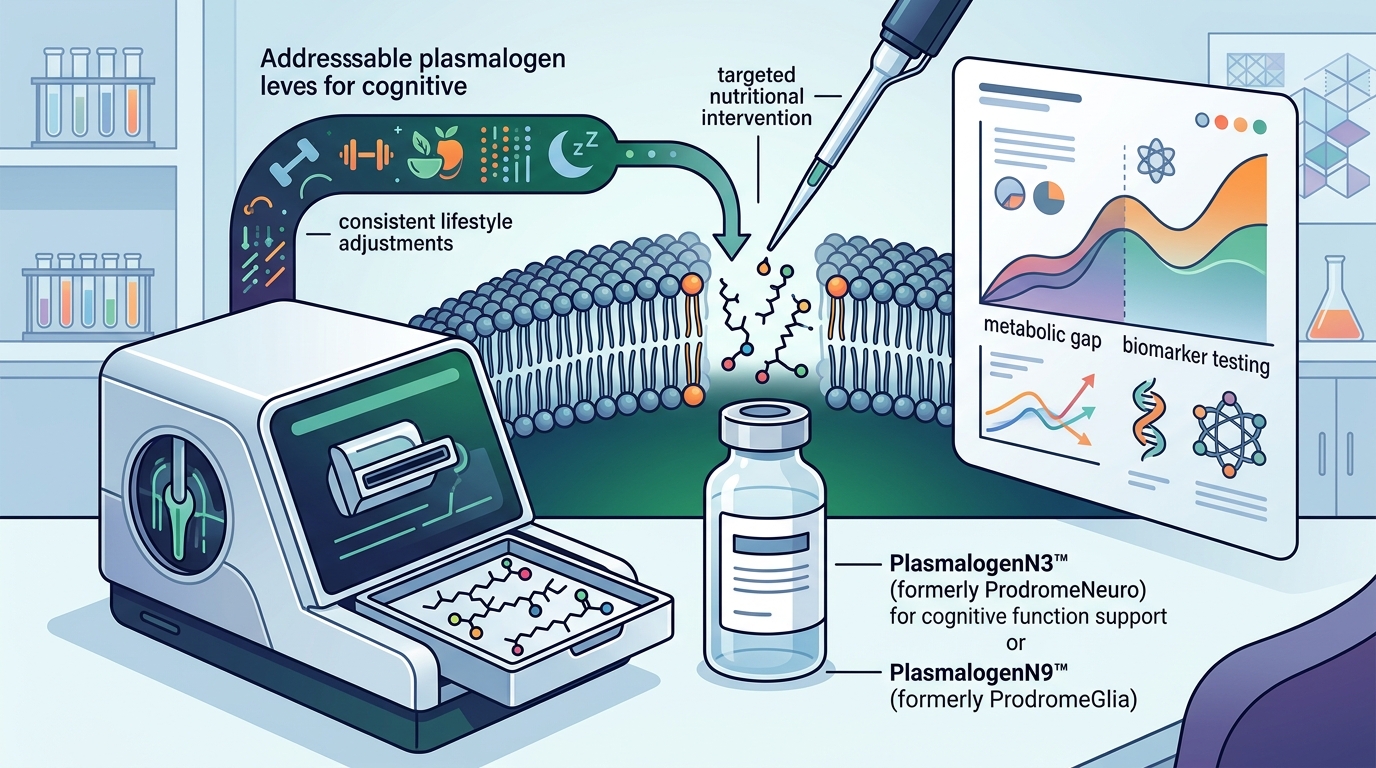
Research indicates that declining plasmalogen levels correlate directly with accelerated cognitive decline in aging populations. These specialized lipids form the structural foundation of every cell membrane, regulating neural signaling and protecting brain tissue from oxidative stress. When concentrations drop below optimal thresholds, memory consolidation and executive function often deteriorate. Addressing this metabolic gap requires a systematic approach that combines precise biomarker testing, targeted nutritional intervention, and consistent lifestyle adjustments. Understanding the underlying lipid biology remains essential for anyone seeking to restore mental clarity and long-term neurological resilience.
Understanding Plasmalogen Biology
Plasmalogen deficiency represents a critical metabolic disruption that directly impacts neural efficiency. Plasmalogen is a specialized ether phospholipid that constitutes roughly twenty percent of all brain membrane lipids. These molecules anchor critical receptors and ion channels within the neuronal architecture. When membrane integrity weakens, signal transduction slows and cognitive processing suffers. Restoring baseline concentrations requires understanding how lipid metabolism shifts over time. Targeted supplementation provides the necessary building blocks to rebuild cellular defenses. This biological foundation dictates why conventional nutrient strategies often fail to address neurological decline.
Diagnostic Testing Protocols
Accurate assessment begins with precise biomarker analysis rather than symptomatic guessing. PlasmalogenN3 testing measures specific ether lipid fractions through advanced chromatography. This clinical methodology identifies exact deficiency patterns across multiple lipid classes. Advanced biomarker technologies reveal subtle metabolic shifts before clinical symptoms manifest. Tracking these values establishes a clear baseline for intervention. Consistent monitoring ensures that therapeutic adjustments remain aligned with physiological changes. Professional guidance through an elite practitioner directory guarantees accurate interpretation of complex lipid profiles.
Targeted Supplementation Strategies
Restoring depleted ether lipids requires highly bioavailable formulations that bypass standard digestive limitations. Plasmalogen oil delivers concentrated ether phospholipids directly to cellular membranes. Softgel variants offer precise dosing for individuals who prefer standardized administration. Plasmalogen supplements function as direct membrane repair agents rather than generic antioxidants. Clinical protocols typically recommend gradual dose escalation to assess individual tolerance. Consistent daily administration over ninety days yields measurable improvements in membrane fluidity. These targeted interventions address the root cause rather than masking neurological symptoms.
Lifestyle and Metabolic Support
Nutritional interventions require synergistic lifestyle adjustments to maximize cellular uptake. Omega-3 fatty acids integrate seamlessly with ether lipids to enhance membrane flexibility. Regular aerobic exercise stimulates endogenous lipid synthesis and improves cerebral blood flow. Metabolic optimization reduces systemic inflammation that otherwise depletes protective lipids. Sleep architecture directly influences lipid recycling and neural waste clearance. Managing chronic stress prevents cortisol-driven membrane degradation. These foundational habits amplify the therapeutic effects of targeted supplementation.
Monitoring Progress and Adjustments
Continuous evaluation ensures that therapeutic protocols remain effective over extended periods. Repeating lipid panels every ninety days tracks membrane restoration accurately. Adjusting dosages based on biomarker trends prevents unnecessary over-supplementation. Clinical monitoring identifies subtle shifts in cognitive performance and neurological resilience. Documenting subjective mental clarity alongside objective lab values creates a complete recovery picture. Healthcare providers can refine dosing schedules to match individual metabolic rates. This data-driven approach eliminates guesswork and maximizes therapeutic outcomes.
Long-Term Cognitive Preservation
Sustained neurological health depends on consistent lipid management rather than short-term fixes. Maintaining optimal ether lipid concentrations protects against age-related neural degradation. Regular blood testing establishes lifelong baselines for proactive health management. Comprehensive lipid science provides the framework for decades of cognitive preservation. Integrating targeted nutrition with structured lifestyle habits creates lasting neurological resilience. This proactive strategy transforms reactive symptom management into proactive biological optimization.
| Intervention Category | Primary Mechanism | Expected Timeline | Monitoring Frequency |
|---|---|---|---|
| Plasmalogen Oil | Direct membrane integration | 60 to 90 days | Every 90 days |
| Plasmalogen Softgels | Standardized dosing | 90 to 120 days | Every 90 days |
| Omega-3 Integration | Membrane fluidity enhancement | 30 to 60 days | Every 90 days |
| Aerobic Exercise | Endogenous lipid stimulation | 45 to 60 days | Quarterly |
| Sleep Optimization | Neural waste clearance | 30 to 45 days | Quarterly |
Key Takeaways
- Plasmalogen deficiency directly correlates with measurable declines in executive function and memory retention.
- Advanced lipid panels provide the only reliable method for tracking ether phospholipid concentrations.
- Targeted supplementation delivers concentrated ether lipids that bypass standard digestive limitations.
- Consistent ninety-day monitoring cycles ensure therapeutic adjustments remain biologically accurate.
- Omega-3 integration and structured aerobic exercise amplify cellular membrane restoration.
- Long-term neurological resilience requires proactive lipid management rather than reactive symptom treatment.
Frequently Asked Questions
How long does it take to restore depleted plasmalogen levels?
Most clinical protocols require sixty to ninety days of consistent supplementation to observe measurable membrane restoration. Individual metabolic rates and baseline deficiency levels dictate the exact timeline.
Can plasmalogen supplements replace standard cognitive medications?
These targeted interventions address underlying membrane biology rather than masking neurological symptoms. They function as foundational support rather than direct pharmaceutical replacements.
What is the recommended daily dosage for initial restoration?
Standard clinical guidelines suggest starting with moderate dosages and gradually increasing based on biomarker feedback. Healthcare providers typically adjust schedules to match individual tolerance thresholds.
Are plasmalogen oils more effective than softgel formulations?
Oil variants deliver concentrated ether phospholipids directly to cellular membranes without encapsulation barriers. Softgel options provide precise dosing for individuals who prefer standardized administration.
How often should lipid panels be repeated during treatment?
Quarterly testing cycles provide accurate tracking of membrane restoration without unnecessary financial burden. Consistent monitoring ensures therapeutic adjustments remain aligned with physiological changes.
Do lifestyle factors significantly impact plasmalogen restoration rates?
Aerobic exercise, sleep architecture, and stress management directly influence endogenous lipid synthesis. These foundational habits amplify the therapeutic effects of targeted supplementation.
Begin Your Cognitive Restoration Protocol
Restoring optimal ether lipid concentrations requires precise testing, targeted supplementation, and consistent monitoring. Schedule a consultation with a qualified lipid specialist to design a personalized restoration plan. Access comprehensive biomarker testing and advanced supplementation protocols through our official portal. Take control of your neurological resilience today.