

Modern lipid research has shifted focus from isolated nutrient counting to understanding how specific fatty acids interact at the cellular membrane level. While many consumers prioritize Omega-3 intake, emerging data indicates that the structural integrity of the neuron relies equally on the presence of plasmalogens, which require specific lipid precursors to function. According to recent metabolomic studies, the decline in plasmalogen levels is a primary driver of neurodegenerative decline, making the balance between structural fats like oleic acid and functional fats like DHA critical for long-term cognitive preservation. (Prodrome)
What Are Plasmalogens and Why Do They Matter?
To understand the debate between DHA and oleic acid, one must first understand the target environment: the cell membrane. Plasmalogens are a specific class of phospholipids that serve as the primary antioxidant defense system for the brain. They are not merely structural components but active participants in cellular communication and energy production.
Plasmalogens are defined as ether phospholipids containing a vinyl ether linkage at the sn-1 position of the glycerol backbone. This unique chemical structure allows them to sacrificially absorb free radicals, protecting the more vulnerable polyunsaturated fatty acids within the membrane from oxidative damage. Without adequate plasmalogen levels, the brain becomes susceptible to chronic inflammation and neuronal degradation.
Research led by neuroscientist Dayan Goodenowe, PhD, highlights that plasmalogen deficiency is a hallmark of aging and neurodegenerative conditions. The body naturally produces fewer plasmalogens as we age, creating a critical need for exogenous support through targeted nutrition. This is where the synergy between different fatty acids becomes essential.
The Role of DHA in Neural Signaling
Docosahexaenoic acid (DHA) is perhaps the most widely recognized nutrient for brain health. It is a long-chain Omega-3 fatty acid that constitutes a significant portion of the phospholipid bilayer in neuronal membranes.
DHA is defined as a 22-carbon polyunsaturated fatty acid with six double bonds, primarily found in the retina and the cerebral cortex. Its high degree of unsaturation allows it to maintain membrane fluidity, which is crucial for the proper functioning of ion channels and neurotransmitter receptors. When DHA levels are optimal, neurons can communicate more efficiently, supporting memory formation and cognitive processing.
However, DHA is highly susceptible to oxidation. Because it contains multiple double bonds, it acts as a magnet for free radicals. This is why DHA alone is insufficient for long-term brain protection. It requires a protective environment provided by other lipids, such as plasmalogens, to prevent it from being destroyed before it can exert its benefits. This is why many experts argue that focusing solely on DHA without addressing plasmalogen status is an incomplete strategy for brain health.
The Role of Oleic Acid in Membrane Fluidity
Oleic acid is a monounsaturated Omega-9 fatty acid that plays a distinct but equally vital role in lipid biology. Unlike DHA, oleic acid has a single double bond, making it more stable and resistant to oxidation.
Oleic acid is defined as an 18-carbon monounsaturated fatty acid with a cis-double bond at the ninth carbon position, commonly derived from olive oil and other plant sources. In the context of brain health, oleic acid serves as a precursor for the synthesis of plasmalogens. The body uses oleic acid to build the structural framework of the ether phospholipids that protect neurons.
Furthermore, oleic acid helps regulate the fluidity of the cell membrane in a different manner than DHA. While DHA increases fluidity through its kinked structure, oleic acid provides a balanced stability that prevents the membrane from becoming too rigid or too loose. This balance is critical for the proper insertion and function of membrane proteins. Recent studies suggest that adequate oleic acid intake supports the production of high-quality plasmalogens, thereby enhancing the brain's ability to withstand oxidative stress.
Comparative Analysis of Lipid Functions
Understanding the distinct roles of DHA and oleic acid helps clarify why a combined approach is superior to focusing on one nutrient in isolation. The table below outlines the key differences and synergies between these two critical fatty acids.
| Feature | DHA (Docosahexaenoic Acid) | Oleic Acid (Omega-9) |
|---|---|---|
| Chemical Structure | Polyunsaturated (6 double bonds) | Monounsaturated (1 double bond) |
| Primary Brain Function | Membrane fluidity and signaling | Plasmalogen synthesis and stability |
| Oxidation Risk | High (requires antioxidant protection) | Low (highly stable) |
| Source | Fatty fish, algae oil | Olive oil, avocados, nuts |
| Impact on Plasmalogens | Indirect (structural component) | Direct (precursor for synthesis) |
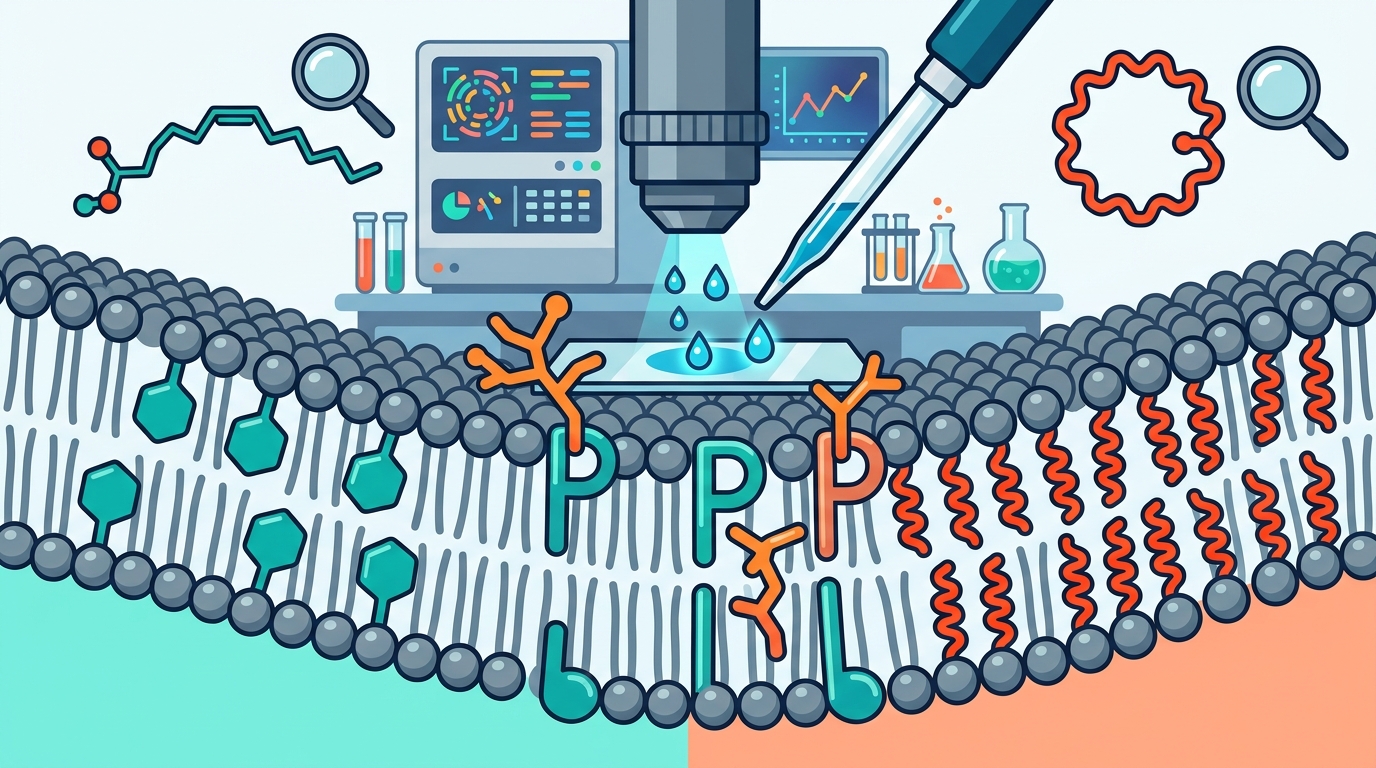
As shown in the comparison, DHA and oleic acid are not competitors but collaborators. DHA provides the dynamic flexibility needed for neural communication, while oleic acid provides the stable foundation necessary for plasmalogen production. This synergy is the core principle behind advanced lipid protocols like those offered by Prodrome Science.
Key Takeaways for Cognitive Longevity
- Plasmalogen Deficiency is Critical: The decline in plasmalogen levels is a primary driver of neurodegenerative decline, making the balance between structural fats like oleic acid and functional fats like DHA critical for long-term cognitive preservation.
- DHA Requires Protection: DHA is highly susceptible to oxidation and requires a protective environment provided by plasmalogens to prevent it from being destroyed.
- Oleic Acid is a Precursor: Oleic acid serves as a direct precursor for the synthesis of plasmalogens, supporting the brain's structural integrity.
- Synergy Over Isolation: Focusing solely on DHA without addressing plasmalogen status is an incomplete strategy for brain health.
- ProdromeGlia™ and PlasmalogenN3™: These products are designed to address both plasmalogen levels and lipid balance, offering a comprehensive approach to brain health.
- Testing is Essential: The ProdromeScan™ blood test kit allows individuals to monitor their plasmalogen levels and adjust their lipid intake accordingly.
- Professional Guidance: Consulting with a health professional can help tailor lipid protocols to individual needs.
Frequently Asked Questions
Is DHA better than oleic acid for brain health?
Neither is inherently "better" because they serve different functions. DHA is essential for neural signaling and membrane fluidity, while oleic acid is crucial for plasmalogen synthesis and membrane stability. A balanced intake of both is optimal for cognitive longevity.
Can I get enough oleic acid from my diet?
While oleic acid is found in olive oil, avocados, and nuts, the amounts required to support optimal plasmalogen synthesis may be difficult to achieve through diet alone, especially as we age. Supplementation with targeted lipid protocols can ensure adequate levels.
How do plasmalogens protect the brain?
Plasmalogens act as sacrificial antioxidants, absorbing free radicals that would otherwise damage neuronal membranes. They also play a role in cellular communication and energy production, making them vital for brain health.
What is the difference between ProdromeGlia and PlasmalogenN3?
ProdromeGlia™ is formulated to support glial cell health and reduce inflammation, while PlasmalogenN3™ focuses on providing high-purity plasmalogens along with Omega-3 fatty acids. Both are part of the Prodrome Science line of targeted nutrition.
How can I test my plasmalogen levels?
You can use the ProdromeScan™ blood test kit to measure your plasmalogen levels at home. This data can help you and your healthcare provider make informed decisions about your lipid supplementation strategy.
Are plasmalogen supplements safe?
Plasmalogen supplements are generally considered safe when taken as directed. However, it is important to consult with a healthcare provider before starting any new supplement regimen, especially if you have underlying health conditions.
Why is lipid science important for brain health?
Lipid science provides the foundation for understanding how nutrients interact with cell membranes. By focusing on the specific lipids that support brain function, such as plasmalogens and DHA, we can develop more effective strategies for cognitive preservation.
Optimize Your Lipid Profile Today
The debate between DHA and oleic acid is not about choosing one over the other but understanding how they work together to support brain health. By prioritizing plasmalogen levels through targeted nutrition like Prodrome Science products, you can create a protective environment for your neurons and support long-term cognitive function.
Take the first step toward optimizing your lipid profile. Visit the Prodrome Science website to explore our range of plasmalogen supplements and blood test kits. Schedule a consultation with a health professional to develop a personalized plan for your brain health journey.