

Plasmalogens are a specialized class of ether phospholipids that serve as the primary structural and functional components of cell membranes throughout the human body. These unique lipids are critical for maintaining membrane integrity, facilitating cellular signaling, and protecting cells from oxidative stress. Research indicates that people with high blood plasmalogens were 80% less likely to experience dementia and are proven to live longer, highlighting their vital role in long-term neurological health. As we age, the natural production of these lipids declines, leading to a deficiency that can compromise cognitive function and overall cellular resilience.
Understanding Plasmalogen Biology
To effectively address a deficiency, one must first understand the biological imperative of these lipids. Plasmalogens are not merely structural bricks; they are dynamic regulators of cellular health. They are found in all 30 trillion cells of the human body, with particularly high concentrations in the brain, heart, and lungs. Their unique chemical structure allows them to act as an antioxidant free radical that acts as the body's first line of defense against oxidation, disease and aging.
The decline of plasmalogens is a natural part of the aging process. However, this decline is not uniform across all tissues. The brain relies heavily on two distinct types of plasmalogens to maintain cognitive performance and structural integrity. White matter plasmalogens provide structural support for myelin and membrane integrity, ensuring that nerve signals travel efficiently. Grey matter plasmalogens offer functional support for signaling and neurotransmission, directly influencing how brain cells communicate and process information.
When plasmalogen levels drop, the effects compound across trillions of cells. This leads to weakened cell membranes, impaired mitochondrial function, and increased vulnerability to oxidative damage. For cognitive health, this manifests as slower processing speeds, memory lapses, and reduced mental clarity. Restoring these levels requires a targeted approach that goes beyond general nutrition.
Recognizing the Signs of Decline
Plasmalogen deficiency does not always present with obvious symptoms in the early stages. However, as the depletion progresses, individuals may notice subtle shifts in cognitive and physical performance. Because plasmalogens are critical to neuronal health, the brain is often the first organ to show signs of distress.
Common indicators of declining plasmalogen levels include:
- Cognitive Fog: Difficulty concentrating or recalling information quickly.
- Reduced Mental Stamina: Feeling mentally exhausted after tasks that previously required little effort.
- Physical Fatigue: Since plasmalogens support mitochondrial function, low levels can lead to general cellular energy deficits.
- Slower Recovery: The body's ability to repair cellular damage from stress or inflammation may diminish.
It is important to note that these symptoms can overlap with other age-related conditions. Therefore, relying solely on subjective feelings is insufficient for diagnosis. Objective data from blood testing provides the most accurate assessment of your current plasmalogen status.
Diagnostic Testing and Biomarkers
The most effective way to determine if you have a plasmalogen deficiency is through advanced biomarker testing. Traditional blood panels do not measure plasmalogen levels, so specialized testing is required. ProdromeScan™ offers a blood test kit designed to measure these specific lipid biomarkers accurately.
By analyzing your blood plasma, this test provides a snapshot of your current plasmalogen concentration. This data allows health professionals to tailor supplementation protocols to your specific needs. Without this data, supplementation becomes a guessing game, potentially leading to suboptimal results or wasted resources.
For health professionals looking to integrate this testing into their practice, Prodrome offers resources to help deliver results through targeted nutrition and clinical tools. Understanding your baseline is the first step in reversing the decline.
Targeted Supplementation Protocols
Once a deficiency is identified, the primary method for correction is targeted supplementation. Because the body cannot efficiently synthesize plasmalogens from standard dietary fats, direct supplementation is necessary to restore levels. The goal is to provide the specific ether phospholipids that the body needs to rebuild cell membranes and support neurological function.
Effective supplementation strategies focus on two main areas: white matter support and grey matter support. Each area requires a different formulation to address the specific biological needs of those brain regions.
White Matter Support
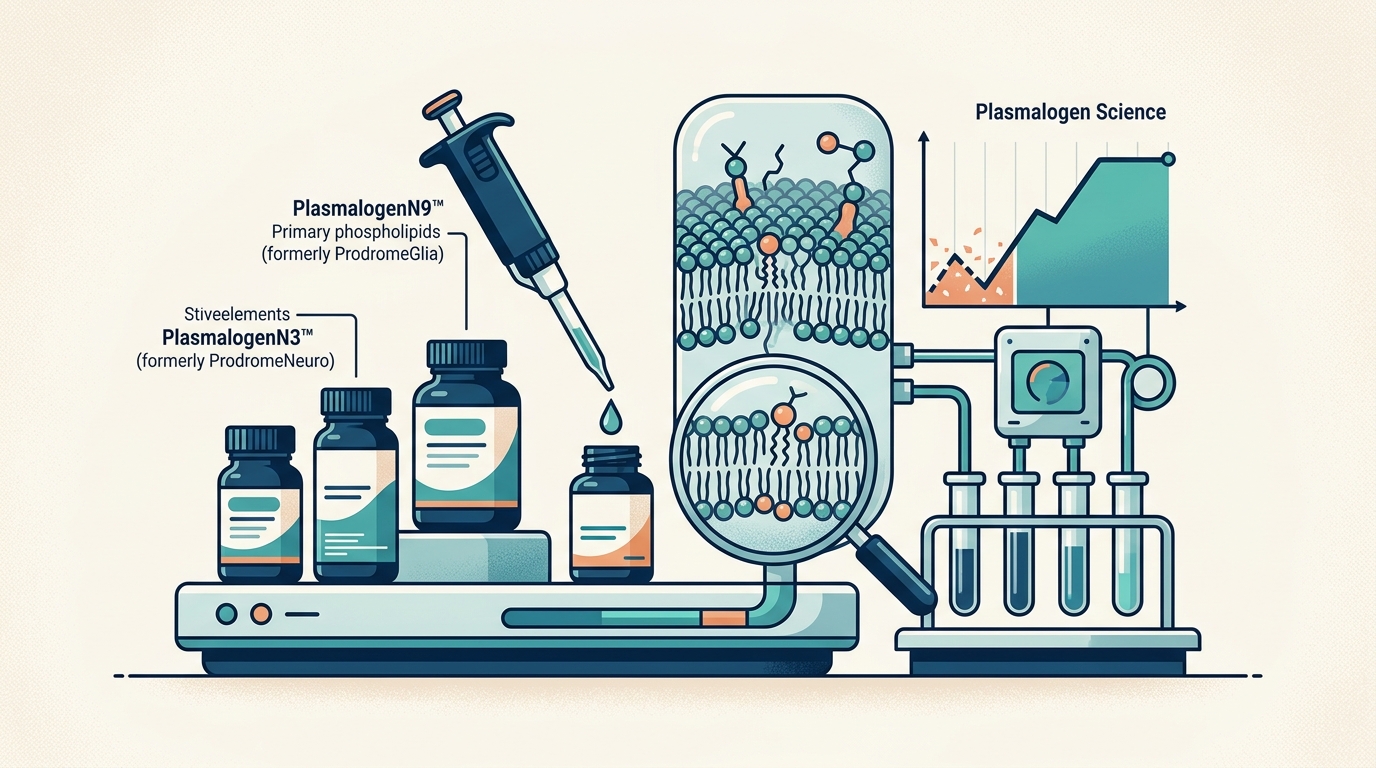
White matter plasmalogens are essential for the myelin sheath, the protective layer around nerve fibers. Supporting this area involves using formulations rich in specific plasmalogen types that reinforce membrane stability. ProdromeGlia™ is designed to focus on this structural support, helping to maintain the insulation and integrity of the nervous system.
Grey Matter Support
Grey matter plasmalogens are involved in the functional aspects of brain health, including neurotransmitter release and receptor activity. Supporting this area requires a different lipid profile. PlasmalogenN3™ (formerly ProdromeNeuro™) is engineered to support healthy neuronal membrane structure and normal signaling processes. This formulation helps maintain how the brain processes and responds to information.
Curcuminoid Integration
Inflammation is a key driver of plasmalogen depletion. To protect newly formed plasmalogens from oxidative damage, it is often recommended to combine supplementation with potent antioxidants. Prodrome BDMC™ is a curcuminoid formulation that supports this protective mechanism. By reducing inflammation, you create a more favorable environment for plasmalogen synthesis and function.
Comparing Plasmalogen Formulations
Choosing the right product depends on your specific health goals and test results. Below is a comparison of the primary plasmalogen-focused products available.
| Product | Primary Focus | Key Benefit | Best For |
|---|---|---|---|
| ProdromeGlia™ | White Matter | Structural support for myelin | Long-term nerve health and membrane integrity |
| PlasmalogenN3™ | Grey Matter | Functional signaling support | Acute cognitive performance and neurotransmission |
| PC+ | General Lipid Health | Phosphatidylcholine support | General cellular membrane maintenance |
| ProdromeGLIA-PC+ | Combined Support | Glia and Choline synergy | Comprehensive brain health protocols |
For those seeking a comprehensive approach, combining these products may offer synergistic benefits. However, it is always best to consult with a healthcare provider to determine the optimal dosage and combination for your individual needs.
Key Takeaways
- Plasmalogens are specialized lipids found in all 30 trillion cells, critical for membrane integrity and antioxidant defense.
- High blood plasmalogen levels are associated with an 80% reduced likelihood of experiencing dementia.
- White matter plasmalogens support myelin structure, while grey matter plasmalogens support neurotransmission.
- ProdromeScan™ provides the necessary biomarker data to diagnose deficiency accurately.
- ProdromeGlia™ targets white matter structural support for long-term nerve health.
- PlasmalogenN3™ targets grey matter functional support for cognitive signaling.
- Prodrome BDMC™ offers curcuminoid support to reduce inflammation and protect lipids.
Frequently Asked Questions
How long does it take to fix a plasmalogen deficiency?
Replenishing plasmalogen levels is a gradual process. Because these lipids must integrate into cell membranes, it typically takes several months of consistent supplementation to see significant changes in biomarker levels and cognitive function.
Can diet alone restore plasmalogen levels?
While a healthy diet supports overall lipid health, it is difficult to obtain sufficient plasmalogen levels through diet alone. Direct supplementation is the most effective method for correcting a clinically significant deficiency.
What is the difference between PlasmalogenN3 and ProdromeGlia?
PlasmalogenN3 focuses on grey matter support for signaling and neurotransmission. ProdromeGlia focuses on white matter support for myelin and membrane integrity. They serve different but complementary roles in brain health.
Is ProdromeScan™ available internationally?
All international orders are shipped from the U.S. and are intended for personal use only. Customers are responsible for complying with local laws, import regulations, and any applicable duties or restrictions.
Are plasmalogen supplements safe?
Plasmalogens are naturally occurring lipids in the human body. Prodrome products are manufactured with high purity standards. However, you should always seek the advice of a physician or other healthcare provider with any questions regarding your health.
Do plasmalogens help with heart health?
Yes, plasmalogens strengthen the heart muscle by reinforcing the cellular structure and function and preventing premature oxidation. They are critical to all cells, including those in the heart and lungs.
What is the role of plasmalogens in aging?
Plasmalogens act as an antioxidant free radical that acts as the body's first line of defense against oxidation, disease and aging. Their decline is a key factor in the aging process at the cellular level.
Next Steps
Addressing plasmalogen deficiency is a proactive step toward preserving cognitive function and cellular health. By understanding your current status through testing and implementing a targeted supplementation protocol, you can support your body's natural defenses against aging. To begin your journey, explore our plasmalogen collection or learn more about the science behind these vital lipids. For health professionals interested in partnering with us, visit our partner portal to access clinical tools and protocols.