

Implementing a Lipid-Based Restorative Health Protocol for Dementia
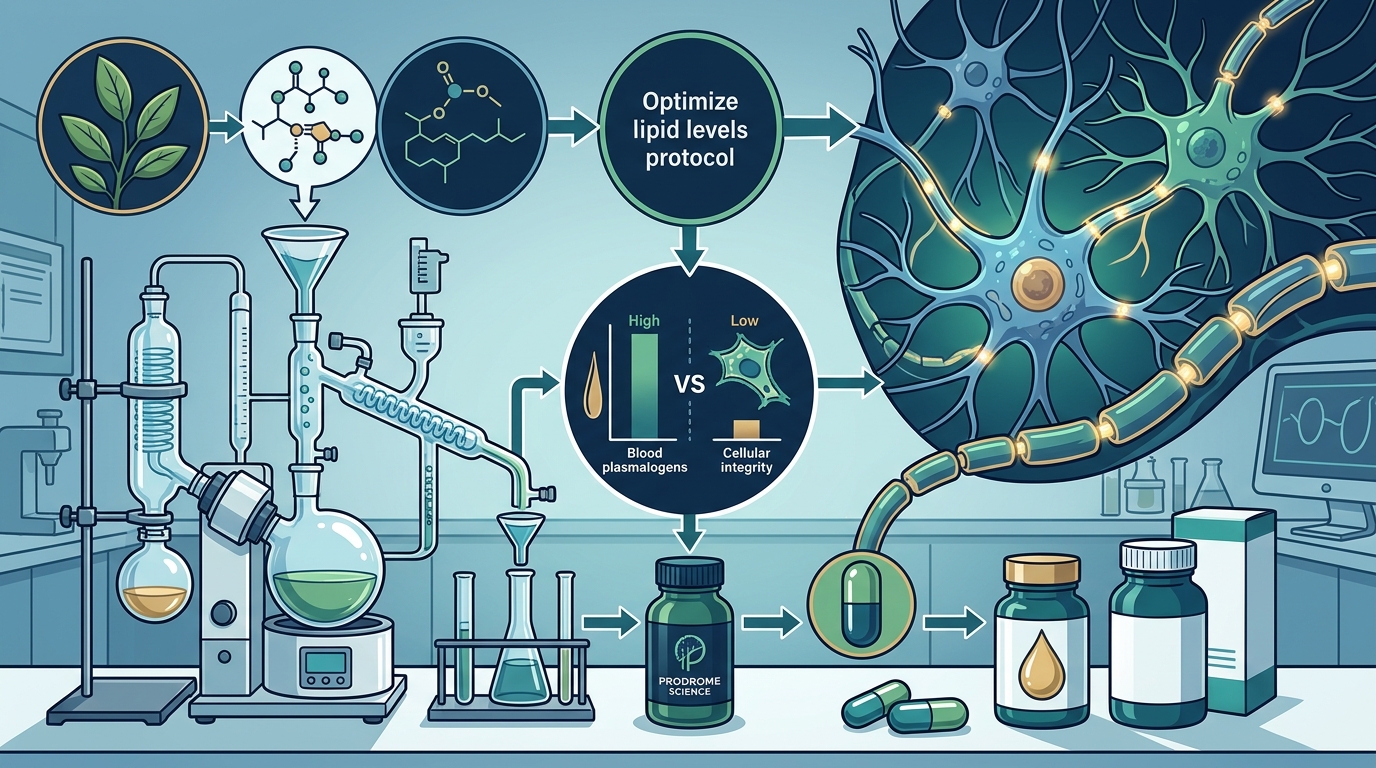
Dementia and cognitive decline are increasingly linked to cellular membrane integrity rather than just amyloid plaques. Recent lipid science indicates that plasmalogen levels, which are critical for neuronal signaling and antioxidant defense, decline significantly with age. According to research highlighted by Prodrome Science, people with high blood plasmalogens were 80% less likely to experience dementia and are proven to live longer. This statistic underscores the urgency of addressing lipid biology early. Implementing a restorative protocol requires a systematic approach that moves beyond general supplementation to targeted membrane repair.
Step 1: Baseline Biomarker Assessment
Before initiating any lipid-based intervention, establishing a precise baseline is non-negotiable. General blood work often fails to capture the subtle shifts in cellular lipid profiles that precede clinical symptoms. This is where specialized testing becomes the cornerstone of a restorative protocol.
The Role of ProdromeScan™
ProdromeScan™ is a specialized blood test kit designed to measure plasmalogen levels and other lipid biomarkers. Unlike standard lipid panels that focus on cholesterol, this test evaluates the structural integrity of cell membranes. By identifying specific deficits, practitioners can tailor the protocol to the individual's metabolic needs.
Understanding your baseline allows for the differentiation between general aging and specific lipid depletion. Without this data, supplementation becomes a guessing game. The goal is to identify the "hidden plasmalogen reservoir" that explains why some individuals respond faster to intervention than others.
Step 2: Establishing the Lipid Foundation
Once deficits are identified, the first phase of the protocol focuses on rebuilding the fundamental structure of the cell membrane. Plasmalogens are a key part of that structure, present in all 30 trillion cells of the human body. They serve as the body's first line of defense against oxidation, disease, and aging.
PC+ and General Membrane Support
PC+ is a foundational supplement that provides essential phospholipids required for membrane synthesis. It acts as the building block for healthy cells, including the reinforcement of the myelin sheath in neuronal cells. For individuals with mild deficits or those seeking preventive care, starting with a robust phospholipid foundation is often sufficient.
This step is critical because it addresses the "cellular environment of regeneration." Without adequate phospholipids, the body cannot effectively synthesize or repair plasmalogens, regardless of other interventions.
Step 3: Targeted Grey and White Matter Support
2Advanced protocols distinguish between white matter and grey matter plasmalogens, as they serve different physiological functions. White matter plasmalogens provide structural support for myelin, while grey matter plasmalogens support functional signaling and neurotransmission.
ProdromeGlia™ for White Matter
ProdromeGlia™ is specifically engineered to support white matter plasmalogens. It focuses on the structural stability of myelin, which enables efficient nerve signaling. By reinforcing the insulation around neurons, this supplement helps maintain membrane integrity and overall function across the nervous system.
PlasmalogenN3™ for Grey Matter
PlasmalogenN3™ (formerly ProdromeNeuro™) targets grey matter plasmalogens. It supports healthy neuronal membrane structure and normal neurotransmitter release. This distinction is vital because cognitive decline often involves both structural degradation (white matter) and functional signaling loss (grey matter).
| Protocol Phase | Target Tissue | Primary Product | Key Benefit |
|---|---|---|---|
| Foundation | General Cell Membranes | PC+ | Provides essential phospholipids for membrane synthesis. |
| Structural Repair | White Matter / Myelin | ProdromeGlia™ | Supports myelin stability and nerve signal insulation. |
| Functional Support | Grey Matter / Neurons | PlasmalogenN3™ | Enhances neurotransmitter release and receptor activity. |
| Antioxidant Defense | Mitochondria / Lungs | Prodrome BDMC™ | Combats lipid peroxidation and oxidative stress. |
Step 4: Monitoring and Protocol Adjustment
A lipid-based protocol is not a static prescription. It requires dynamic adjustment based on biomarker feedback. The decline in plasmalogens is a compounding effect across trillions of cells, so monitoring progress is essential to ensure the intervention is working.
Re-testing and Analysis
After a defined period, typically three to six months, re-evaluation using ProdromeScan™ is recommended. This allows practitioners to compare current plasmalogen levels against the baseline. Data shows that consistent supplementation can help flatten the lipid decline curve, particularly in individuals over fifty.
Adjustments may involve increasing the dosage of ProdromeGlia™ if white matter integrity remains compromised or adding PlasmalogenN3™ if cognitive signaling issues persist. This iterative process ensures that the protocol remains aligned with the patient's evolving physiological needs.
Step 5: Integrating Lifestyle and Systems Biology
Supplementation alone is insufficient for a complete restorative protocol. It must be integrated with lifestyle factors that influence lipid metabolism and oxidative stress. This is the focus of systems biology, which views the body as an interconnected network rather than a collection of isolated symptoms.
Oxidative Balance and Peroxisomes
Peroxisomes are the tiny "workshops" that build your cell's specialized fats, including plasmalogens. Their function is critical for lipid metabolism. Supporting peroxisomal activity through nutrition and reducing oxidative stress is paramount. Prodrome BDMC™ is a curcuminoid formulation that supports this balance by addressing inflammation and oxidative damage.
Stress and Cortisol Management
Chronic stress and elevated cortisol can deplete lipid reserves and impair membrane resilience. Incorporating stress-reduction techniques, such as mindfulness or adequate sleep, helps preserve the myelin buffer. This holistic approach ensures that the lipid foundation is not undermined by external physiological stressors.
Key Takeaways
- Plasmalogens are a key part of every cell membrane. They are essential for membrane integrity, cell signaling, and mitochondrial function.
- High blood plasmalogens correlate with longevity. Individuals with higher levels were 80% less likely to experience dementia.
- ProdromeScan™ provides critical baseline data. It measures specific lipid biomarkers that standard blood tests miss.
- ProdromeGlia™ targets white matter. It supports the structural integrity of myelin and nerve insulation.
- PlasmalogenN3™ targets grey matter. It supports neuronal signaling and neurotransmitter release.
- PC+ offers foundational support. It provides essential phospholipids for general membrane health.
- Monitoring is essential. Regular re-testing allows for protocol adjustments based on actual biomarker changes.
Frequently Asked Questions
What is the difference between white and grey matter plasmalogens?
White matter plasmalogens provide structural support for myelin, the protective layer around nerves. Grey matter plasmalogens support functional signaling and neurotransmission within brain cells.
How does ProdromeScan™ work?
ProdromeScan™ is a blood test kit that measures plasmalogen levels and other lipid biomarkers to assess cellular membrane health and identify specific deficits.
Can plasmalogen supplements reverse dementia?
While plasmalogens support cellular health and may slow decline, they are not a cure for dementia. They are intended to support membrane integrity and reduce oxidative stress.
What is the role of PC+ in a lipid protocol?
PC+ provides essential phospholipids that serve as the building blocks for healthy cell membranes, forming the foundation for plasmalogen synthesis.
Why is monitoring important in a lipid protocol?
Monitoring allows practitioners to track changes in biomarker levels and adjust the protocol to ensure it is effectively addressing the individual's lipid deficits.
What is Prodrome BDMC™?
Prodrome BDMC™ is a curcuminoid formulation designed to support oxidative balance and combat lipid peroxidation, which is critical for maintaining cellular health.
Who should consider a lipid-based protocol?
Individuals concerned about cognitive decline, aging, or those with known lipid deficits may benefit from a lipid-based protocol under professional guidance.
Next Steps
Implementing a lipid-based restorative health protocol requires precision, patience, and professional guidance. By starting with a comprehensive assessment and targeting specific lipid deficits, you can support your cellular health and cognitive function. Contact Prodrome Science to learn more about their products and protocols. Visit the Prodrome homepage to explore their range of plasmalogen supplements and testing kits. For health professionals, Prodrome Science offers extensive resources on lipid biology. Join the member portal to access exclusive content and support.