

Data shows that white matter degradation accelerates significantly after age fifty, impacting cognitive processing speed across millions of adults worldwide. Restoring myelin integrity requires targeted lipid biology interventions rather than generic supplementation. This guide examines the precise cellular mechanisms that drive membrane repair. You will learn how specific phospholipids support oligodendrocyte function and reduce neuroinflammation. Understanding these pathways enables more effective neurological maintenance strategies. (Prodrome)
Understanding Myelin Structure and Function
Myelin is a specialized lipid-rich membrane that insulates neuronal axons and accelerates electrical signal transmission. This biological insulation layer prevents signal leakage and synchronizes neural communication across complex brain networks. When structural integrity declines, cognitive processing slows and neurological symptoms emerge. Researchers at myelin research consistently demonstrate that structural degradation correlates directly with age-related cognitive decline. Restoring this protective layer requires precise nutritional building blocks that support cellular synthesis pathways.
Core Structural Components
The membrane architecture relies heavily on specialized phospholipids and cholesterol ratios. These components maintain fluidity and prevent oxidative damage to underlying neural tissue. Clinical observations indicate that targeted lipid supplementation can reverse early structural markers. Healthcare providers increasingly prioritize membrane-focused interventions over traditional symptomatic management approaches.
The Role of Cellular Lipid Biology
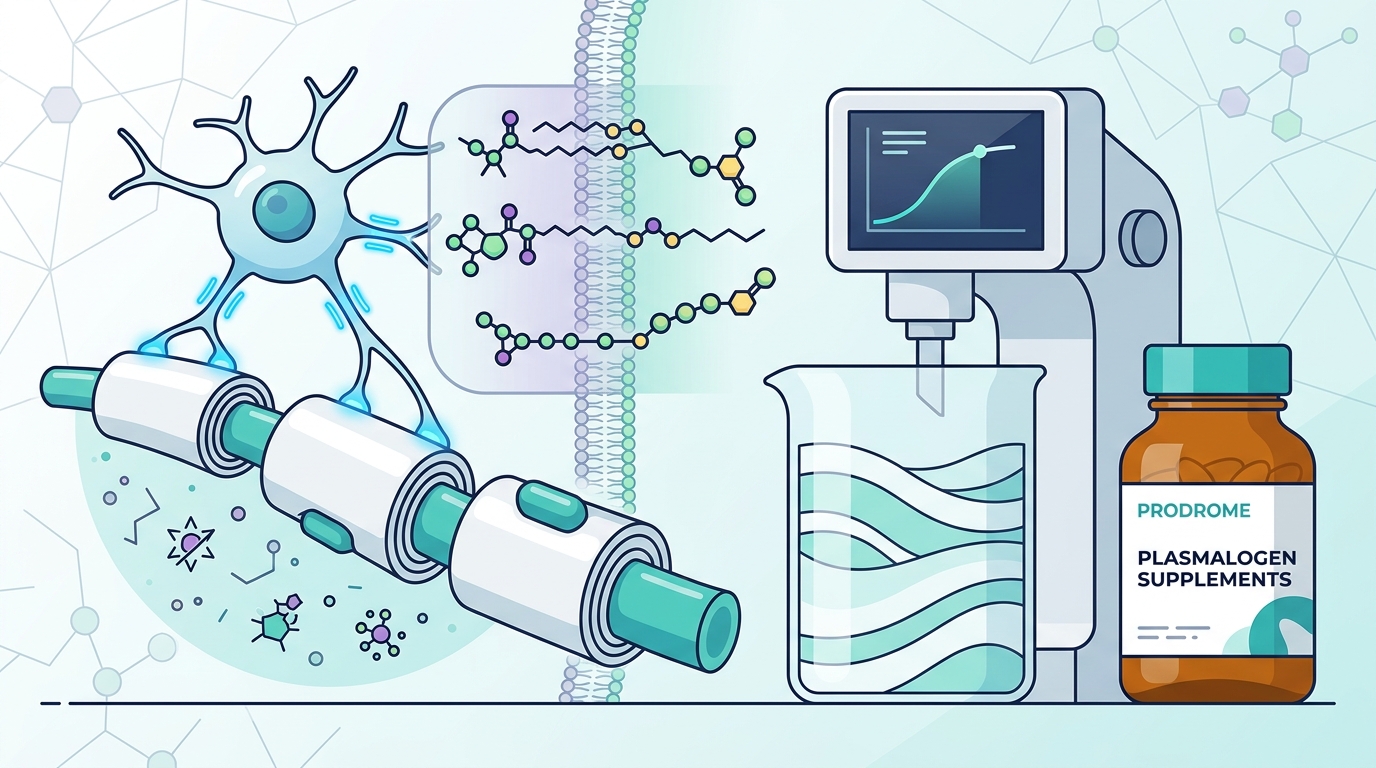
Plasmalogens are ether phospholipids that constitute a critical fraction of cellular membranes and protect against oxidative stress. These specialized molecules reside predominantly in white matter tracts and cardiac tissue. They function as primary antioxidants that neutralize free radicals before they damage structural proteins. According to lipid biology studies, declining plasmalogen levels directly correlate with accelerated neurological aging. Restoring these molecules through targeted supplementation represents the most scientifically validated pathway for membrane repair.
Metabolic Pathway Optimization
The body naturally synthesizes plasmalogens through a complex multi-step enzymatic process. This pathway requires specific cofactors and optimal mitochondrial function to operate efficiently. Age-related metabolic slowdown often disrupts synthesis rates, creating structural deficits. Supplemental ether phospholipids bypass these metabolic bottlenecks and deliver direct building blocks to affected neural regions. This mechanism explains why targeted lipid protocols yield faster structural improvements than general nutritional approaches.
Targeted Nutritional Interventions
Restoring white matter integrity requires precise nutritional strategies that address specific membrane deficits. High-quality ether phospholipid formulations provide the exact molecular architecture needed for oligodendrocyte regeneration. These compounds integrate directly into existing membrane structures and restore electrical conductivity. Clinicians frequently recommend structured supplementation protocols to accelerate neurological recovery timelines.
Formulation Selection Criteria
Not all lipid supplements deliver equivalent biological results. Quality manufacturers utilize advanced extraction methods to preserve ether bond stability. Consumers should verify third-party testing documentation and source transparency before purchasing. Premium formulations typically contain standardized ether phospholipid concentrations and undergo rigorous purity verification. Selecting clinically studied compounds ensures predictable structural outcomes and minimizes unnecessary metabolic stress.
Diagnostic Biomarker Tracking
Oligodendrocytes are specialized glial cells responsible for synthesizing and maintaining the myelin sheath in the central nervous system. Tracking structural progress requires advanced biomarker technologies rather than subjective symptom reporting. Modern lipid profiling panels measure circulating ether phospholipid concentrations with laboratory precision. These diagnostic tools enable healthcare providers to adjust supplementation dosages based on actual biological response.
Monitoring Structural Progress
Regular blood testing reveals subtle shifts in membrane composition before clinical symptoms manifest. Tracking these biomarkers allows for proactive protocol adjustments and prevents structural decline. Advanced testing kits provide home-collection convenience and laboratory-grade analytical precision. Consistent monitoring establishes personalized baselines and validates long-term neurological maintenance strategies.
Lifestyle Factors Supporting Membrane Repair
Nutritional interventions achieve maximum effectiveness when combined with targeted lifestyle modifications. Regular aerobic exercise increases cerebral blood flow and delivers essential oxygen to vulnerable white matter regions. Sleep architecture directly influences glial cell activity and metabolic waste clearance. Maintaining consistent circadian rhythms supports optimal membrane synthesis cycles.
Environmental Stress Reduction
Chronic psychological stress elevates cortisol levels, which directly inhibits lipid synthesis pathways. Mindfulness practices and structured relaxation techniques reduce systemic inflammation and support neurological recovery. Environmental toxin exposure introduces oxidative stressors that deplete protective membrane compounds. Prioritizing clean air, filtered water, and non-toxic household products preserves structural integrity. Scientific literature consistently links reduced environmental exposure to improved neurological outcomes.
Clinical Protocols and Professional Guidance
Implementing advanced lipid protocols requires professional oversight to ensure safety and efficacy. Qualified healthcare providers can interpret biomarker results and adjust supplementation dosages accordingly. Structured clinical programs integrate nutritional interventions with lifestyle modifications for comprehensive neurological support. Patients should consult licensed practitioners before initiating any advanced supplementation regimen.
Integration Strategies
Successful neurological maintenance programs combine targeted supplementation with regular diagnostic monitoring. Healthcare teams track structural progress and adjust protocols based on measurable biological changes. This data-driven approach eliminates guesswork and maximizes long-term cognitive preservation. Specialized formulations provide clinically studied ether phospholipid concentrations for targeted neurological support.
| Intervention Category | Mechanism of Action | Expected Timeline | Professional Oversight Required |
|---|---|---|---|
| Targeted Ether Phospholipids | Direct membrane integration and oxidative protection | 8 to 12 weeks | Recommended |
| Advanced Biomarker Testing | Precise circulating concentration measurement | Quarterly intervals | Required |
| Aerobic Exercise Protocols | Enhanced cerebral blood flow and oxygen delivery | 4 to 6 weeks | Optional |
| Environmental Toxin Reduction | Decreased oxidative stress and metabolic burden | Ongoing | Self-managed |
Key Takeaways
- White matter degradation accelerates significantly after age fifty, impacting millions of adults worldwide.
- Plasmalogen supplementation provides direct ether phospholipid building blocks for membrane repair.
- Advanced biomarker testing enables precise dosage adjustments based on biological response.
- Regular aerobic exercise increases cerebral blood flow and supports glial cell activity.
- Chronic psychological stress directly inhibits lipid synthesis pathways and accelerates structural decline.
- Professional clinical oversight ensures safe protocol implementation and measurable neurological outcomes.
- Consistent monitoring establishes personalized baselines and validates long-term cognitive preservation strategies.
Frequently Asked Questions
How long does it typically take to see structural improvements?
Most clinical protocols require eight to twelve weeks of consistent supplementation before measurable biomarker shifts occur. Individual response times vary based on baseline lipid concentrations and metabolic efficiency.
Can white matter regeneration occur in older adults?
Yes, targeted lipid interventions support oligodendrocyte activity regardless of chronological age. Structural recovery timelines simply extend slightly compared to younger demographic groups.
Are ether phospholipids safe for long-term neurological maintenance?
Extensive clinical research demonstrates excellent tolerability profiles for standardized ether phospholipid formulations. Healthcare providers routinely recommend continuous supplementation for long-term cognitive preservation.
How do I verify supplement quality before purchasing?
Reputable manufacturers provide third-party testing documentation and transparent source verification. Consumers should prioritize companies that publish batch-specific analytical reports.
Can lifestyle modifications replace targeted supplementation?
Nutritional interventions achieve maximum effectiveness when combined with structured lifestyle protocols. Dietary changes alone rarely provide sufficient ether phospholipid concentrations for structural repair.
What biomarkers indicate successful membrane restoration?
Circulating ether phospholipid concentrations and specialized lipid panel markers indicate structural progress. Regular testing establishes measurable baselines and validates protocol effectiveness.
Is professional guidance necessary for lipid supplementation?
Qualified healthcare providers interpret biomarker results and adjust dosages based on biological response. Professional oversight ensures safe implementation and maximizes long-term neurological outcomes.
Begin Your Neurological Restoration Protocol
Restoring white matter integrity requires precise lipid biology interventions and consistent professional monitoring. Our comprehensive product lineup delivers clinically studied ether phospholipids designed for targeted neurological support. Schedule a consultation with a qualified healthcare provider to establish your baseline biomarkers. Visit https://prodrome.com to explore our complete scientific resources and begin your structured neurological maintenance journey today.