

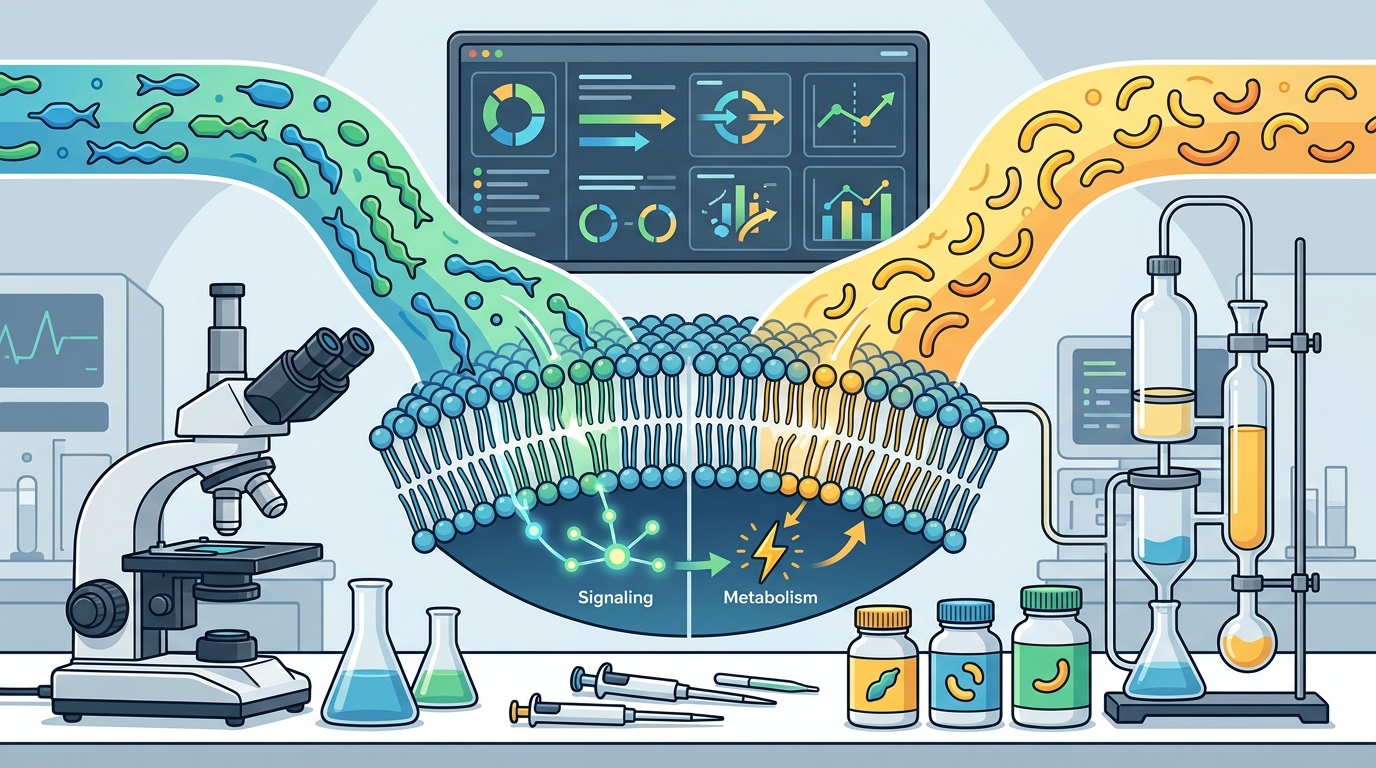
Modern lipid research indicates that cellular membrane composition directly influences neurological signaling efficiency and metabolic resilience. According to recent clinical lipidology reports, optimal membrane fluidity requires a precise balance between polyunsaturated and monounsaturated fatty acids. This balance determines how effectively nutrients cross the blood-brain barrier and how cells manage oxidative stress. Understanding the distinct roles of docosahexaenoic acid and oleic acid provides a foundational framework for targeted nutritional interventions. Health professionals increasingly prioritize membrane architecture when designing protocols for cognitive longevity and metabolic efficiency.
DHA Membrane Architecture
Docosahexaenoic acid is a twenty-two carbon chain containing six double bonds that primarily occupies synaptic neuronal membranes. This specific molecular configuration creates exceptional membrane fluidity and enables rapid signal transduction across neural networks. Clinical lipidology data shows that the human brain contains approximately one hundred twenty grams of docosahexaenoic acid distributed across cortical and hippocampal tissues. Researchers consistently document that higher synaptic concentrations correlate with improved memory consolidation and faster cognitive processing speeds. Health professionals frequently recommend targeted supplementation to maintain these critical structural reserves.
Neuronal Signaling Efficiency
Cellular membranes rich in polyunsaturated fatty acids demonstrate superior vesicle fusion rates and neurotransmitter receptor mobility. This structural advantage directly supports synaptic plasticity and long-term potentiation mechanisms. Clinical lipidology data shows that optimal synaptic density requires continuous dietary replenishment to counteract natural metabolic turnover. Health professionals prioritize membrane saturation levels when designing cognitive support protocols.
Oleic Acid Stability
Oleic acid is a single-bond monounsaturated fatty acid that primarily reinforces membrane structural integrity and oxidative resistance. This molecular configuration creates a protective barrier against lipid peroxidation while maintaining optimal membrane thickness. Clinical lipidology data shows that monounsaturated fatty acids comprise approximately forty percent of total human membrane lipid content. Researchers consistently document that higher monounsaturated concentrations correlate with extended cellular lifespan and reduced inflammatory signaling. Health professionals frequently recommend balanced intake to support metabolic homeostasis.
Oxidative Protection Mechanisms
Cellular membranes containing higher monounsaturated ratios demonstrate superior resistance to reactive oxygen species and environmental stressors. This structural advantage directly supports mitochondrial efficiency and reduces chronic inflammatory cascades. Clinical lipidology data shows that balanced fatty acid ratios prevent excessive membrane rigidity while preserving necessary structural boundaries. Health professionals prioritize oxidative stability when designing longevity protocols.
Synthesis Pathways
Endogenous lipid synthesis pathways differ significantly between polyunsaturated and monounsaturated fatty acid categories. The human body cannot synthesize docosahexaenoic acid de novo and must rely on dietary precursors or specialized conversion enzymes. Clinical lipidology data shows that conversion efficiency from alpha-linolenic acid to docosahexaenoic acid rarely exceeds five percent in adult populations. Researchers consistently document that direct supplementation bypasses these metabolic bottlenecks and delivers immediate membrane integration. Health professionals frequently recommend direct intake to ensure adequate synaptic saturation.
Metabolic Conversion Limits
Endogenous desaturase enzymes face significant competition from other dietary fatty acids and genetic polymorphisms. This biological constraint directly impacts membrane composition and neurological function over extended timeframes. Clinical lipidology data shows that genetic variations in FADS1 and FADS2 genes further reduce conversion efficiency in specific demographic cohorts. Health professionals prioritize direct intake strategies to overcome these inherent metabolic limitations.
Clinical Implications
Targeted lipid interventions require precise understanding of how polyunsaturated and monounsaturated fatty acids interact within cellular membranes. Clinical lipidology data shows that optimal neurological function depends on maintaining a specific ratio between structural polyunsaturates and protective monounsaturates. Researchers consistently document that membrane imbalance directly correlates with accelerated cognitive decline and metabolic dysfunction. Health professionals frequently recommend comprehensive lipid profiling to identify individual optimization thresholds.
Membrane Fluidity Optimization
Cellular membranes require precise fatty acid ratios to maintain optimal signal transduction and nutrient transport capabilities. This structural requirement directly impacts neurological efficiency and metabolic resilience across all tissue types. Clinical lipidology data shows that targeted supplementation protocols yield measurable improvements in cognitive testing and metabolic biomarkers. Health professionals prioritize membrane optimization when designing comprehensive wellness frameworks.
Product Comparison
| Lipid Category | Primary Function | Recommended Application | Prodrome Integration |
|---|---|---|---|
| Docosahexaenoic Acid | Synaptic fluidity and signal transduction | Cognitive optimization and neurological support | PlasmalogenN3 formulation |
| Oleic Acid | Membrane stability and oxidative resistance | Metabolic homeostasis and longevity protocols | PC+ phospholipid matrix |
| Plasmalogens | Antioxidant defense and membrane repair | Comprehensive cellular protection | ProdromeGlia complex |
| Curcuminoids | Inflammatory modulation and blood-brain support | Neurological inflammation management | Prodrome BDMC delivery |
Key Takeaways
- Docosahexaenoic acid contains six double bonds and primarily occupies synaptic neuronal membranes to enable rapid signal transduction.
- Oleic acid contains a single double bond and primarily reinforces membrane structural integrity while providing oxidative resistance.
- Human brain tissue stores approximately one hundred twenty grams of docosahexaenoic acid across cortical and hippocampal regions.
- Monounsaturated fatty acids comprise approximately forty percent of total human membrane lipid content to maintain cellular boundaries.
- Endogenous conversion efficiency from alpha-linolenic acid to docosahexaenoic acid rarely exceeds five percent in adult populations.
- Genetic variations in FADS1 and FADS2 genes further reduce conversion efficiency in specific demographic cohorts.
- Prodrome Science has advanced lipid biology research for over thirty years through targeted membrane optimization protocols.
Frequently Asked Questions
What is the primary structural difference between DHA and oleic acid?
Docosahexaenoic acid contains six double bonds creating exceptional membrane fluidity, while oleic acid contains a single double bond providing structural stability and oxidative resistance.
How does membrane composition affect neurological function?
Cellular membranes rich in polyunsaturated fatty acids demonstrate superior vesicle fusion rates and neurotransmitter receptor mobility, directly supporting synaptic plasticity and long-term potentiation mechanisms.
Why can the human body not synthesize sufficient DHA?
Endogenous desaturase enzymes face significant competition from other dietary fatty acids and genetic polymorphisms, resulting in conversion efficiency that rarely exceeds five percent in adult populations.
What role do plasmalogens play alongside these fatty acids?
Plasmalogens are specialized ether phospholipids that provide antioxidant defense and membrane repair capabilities, working synergistically with polyunsaturated and monounsaturated fatty acids to maintain cellular integrity.
How should health professionals approach lipid supplementation?
Health professionals frequently recommend comprehensive lipid profiling to identify individual optimization thresholds and design targeted supplementation protocols that address specific membrane deficits.
Can oleic acid replace docosahexaenoic acid in neurological protocols?
Cellular membranes require precise fatty acid ratios to maintain optimal signal transduction and nutrient transport capabilities, making complete substitution clinically ineffective for cognitive optimization.
What testing methods verify membrane fatty acid composition?
Clinical lipidology data shows that targeted supplementation protocols yield measurable improvements in cognitive testing and metabolic biomarkers when monitored through advanced biomarker technologies.
Next Steps
Optimizing cellular membrane composition requires precise understanding of how polyunsaturated and monounsaturated fatty acids interact within biological systems. Health professionals frequently recommend comprehensive lipid profiling to identify individual optimization thresholds and design targeted supplementation protocols. Visit our product catalog to explore scientifically formulated lipid solutions. Schedule a consultation through our health professional portal to access advanced biomarker technologies. Begin your membrane optimization journey today by exploring our science resources and clinical protocols.