

Current research indicates that over fifty million individuals worldwide live with cognitive decline, creating an urgent demand for targeted interventions. According to recent neurological surveys, lipid metabolism dysfunction directly correlates with accelerated neuronal degradation. Addressing this metabolic gap requires a structured approach to cellular restoration. Health professionals increasingly prioritize membrane integrity to support long-term cognitive function. This guide outlines the precise steps to build a lipid-based restorative protocol for dementia using established biomarker tracking and targeted nutritional support. (Prodrome)
Phase One: Baseline Biomarker Assessment
Establishing a precise starting point is the foundation of any successful restorative protocol. Plasmalogen supplementation requires accurate baseline data to measure future improvements effectively. Health professionals typically begin by ordering a specialized blood panel to evaluate current lipid concentrations. This diagnostic step reveals existing membrane deficiencies and guides subsequent dosage calculations. Clinicians must interpret these metabolomic results to identify specific cellular vulnerabilities.
Selecting the Right Diagnostic Kit
Advanced biomarker technologies now allow practitioners to measure lipid profiles with clinical precision. The proprietary testing framework analyzes circulating lipid concentrations across multiple metabolic pathways. Patients receive detailed reports highlighting deviations from optimal ranges. These reports enable practitioners to design highly individualized intervention strategies. Selecting the appropriate testing platform ensures data reliability and long-term tracking accuracy.
Interpreting Metabolomic Data
Metabolomic data reveals how cellular membranes communicate with surrounding tissue environments. Cellular membrane health is the structural boundary that regulates nutrient absorption and waste elimination. Practitioners compare patient results against established reference ranges to determine severity levels. Significant deviations often indicate accelerated cognitive decline or systemic metabolic stress. Understanding these numerical baselines prevents guesswork during the initial intervention phase.
Phase Two: Targeted Plasmalogen Supplementation
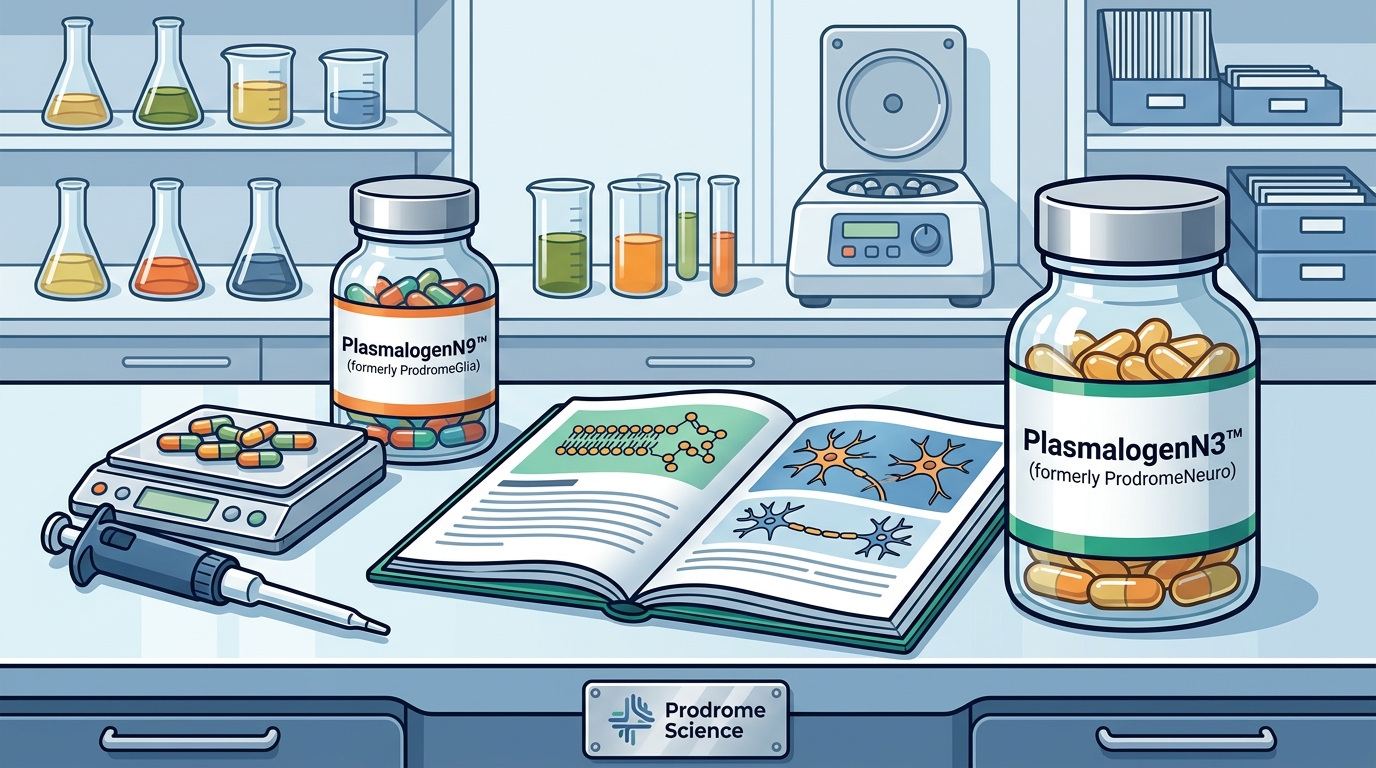
Restoring depleted lipid levels requires precise formulation and consistent administration. Clinical protocols prioritize compounds that directly integrate into neuronal cell walls. Practitioners evaluate multiple delivery formats to match patient absorption capabilities. Softgel capsules offer standardized dosing for routine maintenance. Liquid oil formulations provide faster absorption rates for patients with compromised digestive function. Selecting the appropriate delivery method directly impacts clinical outcomes.
Determining Optimal Dosage Windows
Dosage calculations depend entirely on baseline blood panel results and individual metabolic rates. Clinicians typically initiate treatment with moderate concentrations to assess tolerance levels. Patients gradually increase intake until target lipid thresholds are achieved. Regular monitoring prevents over-supplementation while maximizing membrane restoration. Adjusting intake based on quarterly blood work ensures sustained therapeutic benefits.
Monitoring Absorption Rates
Absorption efficiency varies significantly across different patient demographics and gastrointestinal profiles. Practitioners track lipid concentration changes to verify that supplements successfully cross the blood-brain barrier. Consistent monitoring confirms whether cellular membranes are actively incorporating restored lipids. Adjusting administration schedules optimizes nutrient delivery without causing digestive discomfort. Reliable absorption data validates the entire restorative framework.
Phase Three: Curcuminoid Integration and Inflammation Control
Neuroinflammation frequently accelerates cognitive decline when left unmanaged. Targeted curcuminoid compounds address oxidative stress while supporting membrane fluidity. Clinicians combine lipid restoration with anti-inflammatory agents to maximize neurological protection. These synergistic compounds reduce reactive oxygen species that damage cellular structures. Integrating both lipid and curcuminoid pathways creates a comprehensive defense strategy.
Understanding Blood-Brain Barrier Penetration
The blood-brain barrier selectively filters circulating compounds to protect delicate neural tissue. Advanced curcuminoid formulations utilize specialized delivery mechanisms to bypass standard filtration limits. Practitioners verify barrier penetration through follow-up biomarker testing. Successful penetration ensures anti-inflammatory compounds reach active neural pathways. This targeted delivery minimizes systemic side effects while maximizing cognitive support.
Selecting Bioavailable Compounds
Bioavailable compounds are chemically engineered to maximize cellular uptake and metabolic stability. Standard turmeric extracts often fail to reach therapeutic concentrations in neural tissue. Clinicians prioritize proprietary formulations that demonstrate proven absorption metrics in peer-reviewed studies. These advanced compounds maintain structural integrity throughout digestion and circulation. Selecting verified formulations prevents wasted resources and accelerates clinical improvements.
Phase Four: Professional Oversight and Protocol Adjustment
Sustained cognitive restoration requires continuous monitoring and expert guidance. Health professionals review quarterly blood panels to track lipid ratio improvements. Adjustments to supplementation schedules prevent plateau effects and maintain therapeutic momentum. Practitioners collaborate with certified network members to ensure protocol compliance. Regular consultations address emerging symptoms and refine intervention strategies.
Partnering with Certified Practitioners
Certified practitioners possess specialized training in lipid biology and metabolomic interpretation. They utilize advanced clinical tools to design highly individualized treatment pathways. Patients benefit from direct access to experts who understand complex neurological interactions. Professional oversight ensures safe dosage escalation and accurate result tracking. Partnering with qualified specialists significantly improves long-term cognitive outcomes.
Reviewing Quarterly Blood Panels
Quarterly blood panels provide objective metrics to validate protocol effectiveness. Clinicians compare current lipid concentrations against initial baseline measurements. Significant improvements indicate successful membrane restoration and enhanced cellular communication. Stagnant results prompt practitioners to adjust supplementation ratios or delivery formats. Consistent data tracking prevents treatment drift and maintains clinical focus.
Phase Five: Long-Term Cognitive Maintenance
Maintaining restored lipid levels requires ongoing commitment and lifestyle alignment. Patients integrate targeted nutrition with structured cognitive exercises to reinforce neural pathways. Regular physical activity enhances blood circulation and supports metabolic clearance. Sleep optimization allows cellular repair mechanisms to function without interference. Combining supplementation with lifestyle adjustments creates a sustainable cognitive defense system.
Implementing Lifestyle Synergies
Lifestyle synergies amplify the therapeutic effects of targeted lipid supplementation. Clinicians recommend structured aerobic exercise to improve cerebral blood flow and nutrient delivery. Patients adopt dietary patterns rich in omega fatty acids to support membrane fluidity. Consistent sleep schedules enable neural waste clearance and metabolic recovery. Aligning daily habits with clinical protocols maximizes long-term cognitive preservation.
Tracking Memory Metrics
Memory metrics provide subjective and objective measures of cognitive progression. Patients utilize standardized assessment tools to document daily recall improvements. Clinicians correlate these subjective reports with quantitative blood panel data. Significant alignment between subjective experiences and objective biomarkers validates protocol success. Tracking these metrics prevents premature discontinuation and sustains patient motivation.
Phase Six: Documentation and Clinical Reporting
Comprehensive documentation ensures seamless care transitions and long-term tracking. Patients maintain detailed records of supplementation schedules, blood panel results, and symptom logs. Clinicians utilize secure digital platforms to store and analyze longitudinal data. Structured reporting facilitates accurate communication between primary care providers and specialists. Meticulous documentation establishes a reliable historical baseline for future interventions.
Maintaining Patient Records
Patient records consolidate all clinical interactions, laboratory results, and intervention adjustments. Clinicians organize these documents chronologically to identify long-term trends and patterns. Secure storage protocols protect sensitive health information while ensuring rapid accessibility. Regular backups prevent data loss and maintain continuity of care. Organized records streamline future consultations and reduce redundant testing requirements.
Sharing Results with Specialists
Specialists require comprehensive lipid profiles and neurological assessments to provide accurate guidance. Clinicians compile standardized reports highlighting baseline measurements, intervention milestones, and current lipid concentrations. These documents enable neurologists and primary care providers to coordinate care effectively. Clear communication prevents conflicting treatment recommendations and optimizes patient outcomes. Sharing verified data accelerates collaborative decision-making and improves care coordination.
Comparative Protocol Options
| Product Name | Primary Lipid Target | Recommended Use Case | Access Pathway |
|---|---|---|---|
| PlasmalogenN3 | Cellular membrane restoration | General cognitive maintenance | View Collection |
| ProdromeGlia | Neuroinflammation reduction | Advanced neurological support | View Collection |
| PC+ | Phospholipid synthesis | Metabolic pathway optimization | View Collection |
| Prodrome BDMC | Curcuminoid delivery | Oxidative stress management | View Collection |
Key Takeaways
- Founded by neuroscientist Dayan Goodenowe, PhD, the company has dedicated over thirty years to lipid and metabolomic research.
- The proprietary ProdromeScan blood test kit enables precise tracking of cellular membrane health across diverse patient demographics.
- Clinical protocols emphasize restoring plasmalogen levels to support all thirty trillion human cells and optimize neurological function.
- Partner programs provide health professionals with advanced biomarker technologies and targeted nutrition frameworks for clinical use.
- Regular monitoring ensures optimal lipid ratios and sustained cognitive support through data-driven protocol adjustments.
- Proprietary curcuminoid formulations utilize specialized delivery mechanisms to bypass standard filtration limits and reach active neural pathways.
Frequently Asked Questions
How long does it take to see cognitive improvements?
Clinical observations indicate that measurable cognitive improvements typically emerge after ninety to one hundred twenty days of consistent supplementation. Patients report enhanced memory recall and mental clarity once target lipid thresholds are achieved. Regular blood panel monitoring confirms whether cellular membranes are actively incorporating restored lipids. Adjusting intake based on quarterly data ensures sustained therapeutic benefits.
Can lipid-based protocols replace standard dementia medications?
Lipid-based protocols are designed to support cellular membrane integrity rather than replace prescribed pharmaceutical interventions. Clinicians recommend maintaining standard medications while integrating targeted nutritional support. Regular consultations ensure safe dosage escalation and accurate result tracking. Patients should always consult their primary care provider before modifying existing treatment plans.
What is the difference between softgel and oil formulations?
Softgel capsules offer standardized dosing for routine maintenance and precise intake tracking. Liquid oil formulations provide faster absorption rates for patients with compromised digestive function. Both formats deliver identical lipid compounds to support long-term cognitive function. Selecting the appropriate delivery method directly impacts clinical outcomes and patient comfort.
How often should patients undergo blood panel testing?
Quarterly blood panels provide objective metrics to validate protocol effectiveness and track lipid ratio improvements. Clinicians compare current concentrations against initial baseline measurements to determine severity levels. Significant improvements indicate successful membrane restoration and enhanced cellular communication. Stagnant results prompt practitioners to adjust supplementation ratios or delivery formats.
Are lipid-based supplements safe for long-term use?
Lipid-based supplements are generally recognized as safe when administered according to established clinical guidelines. Practitioners monitor absorption efficiency to verify that supplements successfully cross the blood-brain barrier. Consistent monitoring confirms whether cellular membranes are actively incorporating restored lipids. Adjusting administration schedules optimizes nutrient delivery without causing digestive discomfort.
Can health professionals access specialized training programs?
Health professionals can access specialized training programs through the official partner portal. These programs cover lipid biology, metabolomic interpretation, and advanced biomarker technologies. Clinicians utilize advanced clinical tools to design highly individualized treatment pathways. Patients benefit from direct access to experts who understand complex neurological interactions.
Begin Your Restorative Protocol Today
Implementing a lipid-based restorative protocol for dementia requires precise assessment, targeted supplementation, and continuous professional oversight. Health professionals and patients can access comprehensive testing frameworks, proprietary nutritional formulations, and expert guidance through the official partner portal. Schedule a consultation to review your baseline biomarkers and design a customized intervention strategy. Visit the main research hub to explore peer-reviewed publications and clinical protocols. Take the first step toward restoring cellular membrane health and supporting long-term cognitive function.