

Plasmalogens: DHA vs. Oleic Acid - A Comparative Analysis for Brain Health
Plasmalogens, a vital component of every cell membrane, play a crucial role in maintaining brain health. Among various plasmalogens, two essential fatty acids, Docosahexaenoic Acid (DHA) and Oleic Acid, have garnered significant attention due to their unique properties. In this article, we will delve into the world of plasmalogens and compare DHA and Oleic Acid, shedding light on their sources, benefits, and potential differences. (Prodrome)
What are Plasmalogens?
[Plasmalogens are] is a class of phospholipids that play a vital role in maintaining the structural integrity and fluidity of cell membranes, particularly in the brain. (Prodrome All Plasmalogens)
DHA: The Star Fatty Acid
[DHA is] a long-chain omega-3 fatty acid, primarily found in fish oil and breast milk. It is a key structural component of the brain and retina, making up approximately 25% of the total fatty acids in the brain. (Prodrome Plasmalogen Supplements for)
Sources of DHA
DHA is primarily obtained from the diet, with fatty fish being the richest source. Some common sources include salmon, mackerel, sardines, and anchovies. (Cart)
Benefits of DHA
DHA is essential for brain development and function, particularly during infancy and childhood. It has been linked to improved cognitive function, memory, and visual acuity.
Oleic Acid: The Monounsaturated Fat
[Oleic Acid is] a monounsaturated omega-9 fatty acid, primarily found in olive oil, avocados, and nuts like almonds and macadamias.
Sources of Oleic Acid
Oleic acid is easily obtained from a balanced diet rich in healthy fats. Olive oil, avocados, and nuts are some of the most common sources.
Benefits of Oleic Acid
Oleic acid is known for its anti-inflammatory properties and has been linked to improved heart health, reduced inflammation, and potential neuroprotective effects.
Comparing DHA and Oleic Acid
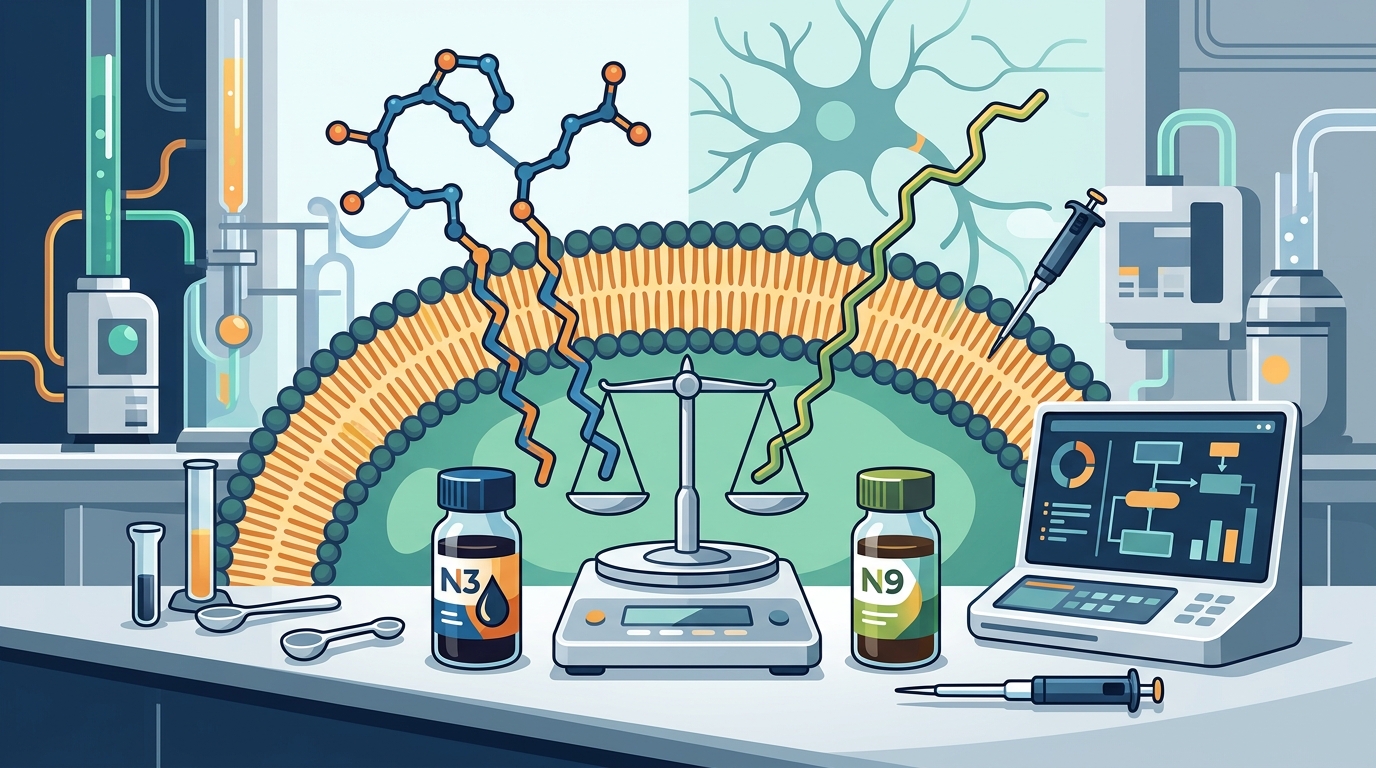
Both DHA and Oleic Acid play essential roles in maintaining brain health. However, they differ in their sources, properties, and potential benefits. While DHA is primarily obtained from fish oil and is a structural component of the brain, Oleic Acid is found in olive oil, avocados, and nuts and is known for its anti-inflammatory properties.
Conclusion
Understanding the unique properties and benefits of DHA and Oleic Acid can help individuals make informed dietary choices for optimal brain health. While both fatty acids are essential, incorporating a variety of sources, including fish, olive oil, avocados, and nuts, can help ensure a balanced intake.
Key Takeaways
- Plasmalogens are essential phospholipids that play a crucial role in maintaining the structural integrity and fluidity of cell membranes.
- DHA is a long-chain omega-3 fatty acid primarily found in fish oil and breast milk, making up approximately 25% of the total fatty acids in the brain.
- Oleic Acid is a monounsaturated omega-9 fatty acid primarily found in olive oil, avocados, and nuts, known for its anti-inflammatory properties.
- Both DHA and Oleic Acid play essential roles in maintaining brain health, but they differ in their sources and properties.
- Incorporating a variety of sources, including fish, olive oil, avocados, and nuts, can help ensure a balanced intake for optimal brain health.
Frequently Asked Questions
What are the primary sources of DHA and Oleic Acid?
DHA is primarily obtained from the diet, with fatty fish being the richest source. Oleic Acid is easily obtained from a balanced diet rich in healthy fats, with olive oil, avocados, and nuts being some of the most common sources.
What are the benefits of DHA and Oleic Acid for brain health?
DHA is essential for brain development and function, particularly during infancy and childhood. It has been linked to improved cognitive function, memory, and visual acuity. Oleic Acid is known for its anti-inflammatory properties and has been linked to improved heart health, reduced inflammation, and potential neuroprotective effects.
Can I get enough DHA and Oleic Acid from my diet?
Yes, both DHA and Oleic Acid can be obtained from a balanced diet rich in healthy fats. Incorporating a variety of sources, including fish, olive oil, avocados, and nuts, can help ensure a balanced intake.
What are the potential differences between DHA and Oleic Acid?
DHA is a long-chain omega-3 fatty acid primarily found in fish oil and breast milk, making it a structural component of the brain. Oleic Acid is a monounsaturated omega-9 fatty acid primarily found in olive oil, avocados, and nuts, known for its anti-inflammatory properties.
How can I optimize my diet for brain health?
Incorporating a variety of sources, including fish, olive oil, avocados, and nuts, can help ensure a balanced intake for optimal brain health.