

White matter integrity is the structural foundation of rapid neural communication, yet it is often the first system to degrade during aging and neurodegenerative decline. Recent lipidomic research indicates that plasmalogen levels, which are critical for myelin sheath stability, drop significantly in the brain as we age. This decline correlates directly with reduced cognitive processing speed and increased vulnerability to oxidative stress. Understanding how to naturally support these specialized lipids is no longer just a longevity strategy but a fundamental requirement for maintaining neurological resilience.
Understanding White Matter and Myelin
White matter consists of bundles of nerve fibers called axons, which are insulated by a fatty substance known as myelin. This insulation acts like the plastic coating on an electrical wire, allowing electrical signals to travel quickly and efficiently between different parts of the brain and the spinal cord. When myelin is intact, neural communication is fast and precise. When it is damaged or degraded, signal transmission slows, leading to cognitive fog, slower processing speeds, and potential neurological deficits.
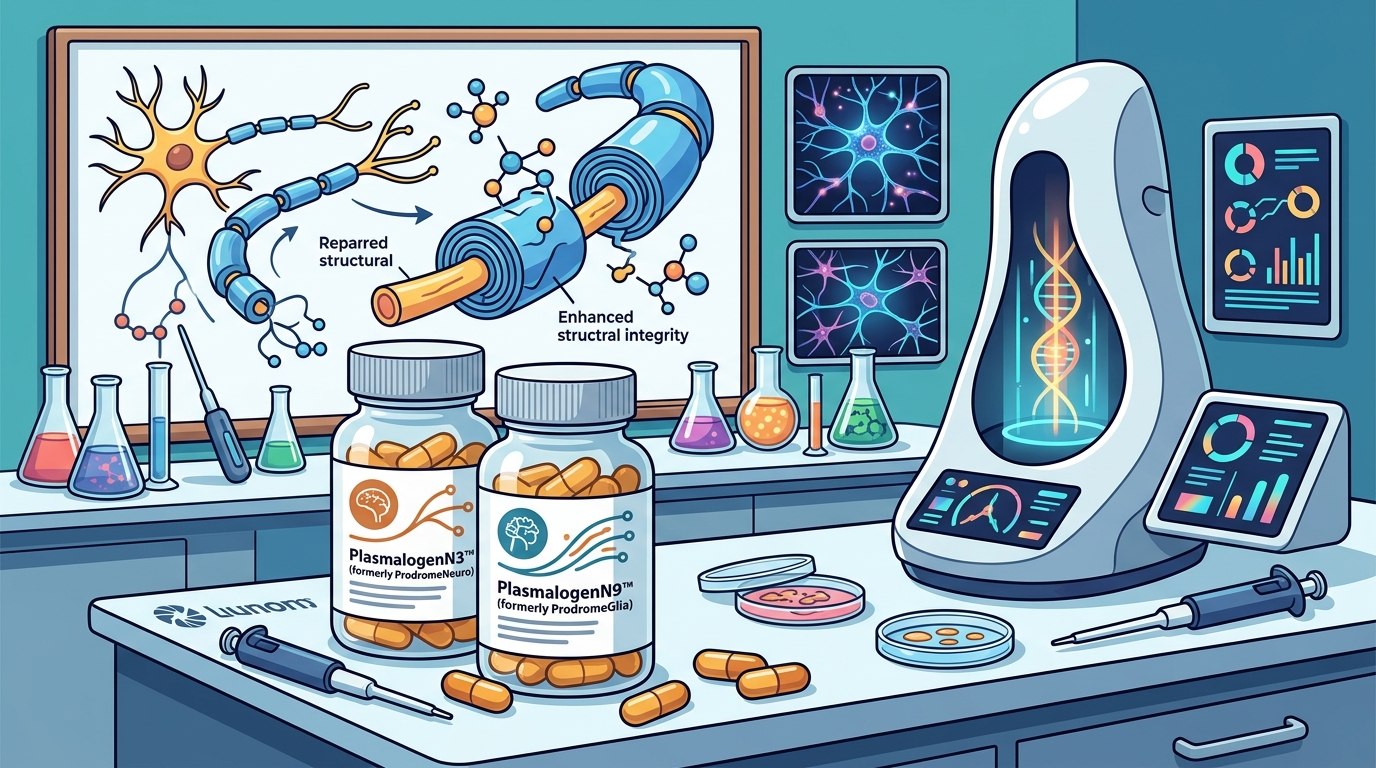
Myelin is not static. It is a dynamic structure that requires constant maintenance and repair. The primary building blocks of myelin are lipids, specifically phospholipids and cholesterol. However, not all lipids are created equal. The structural integrity of the myelin sheath relies heavily on a specific class of phospholipids called plasmalogens. Without adequate plasmalogen availability, the body cannot effectively repair or maintain the myelin sheath, leading to progressive white matter degradation.
The Plasmalogen Deficit in Aging
Plasmalogens are unique because they contain a vinyl ether bond at the sn-1 position, which makes them highly susceptible to oxidative damage. This property is actually their superpower. Plasmalogens act as sacrificial antioxidants, absorbing free radicals and protecting the more critical polyunsaturated fatty acids in the cell membrane from peroxidation. As we age, our natural production of plasmalogens declines sharply. This decline is not merely a side effect of aging but a primary driver of cellular vulnerability.
Research led by neuroscientist Dayan Goodenowe, PhD, highlights that plasmalogen levels in the brain can drop by up to 50% or more in individuals with neurodegenerative conditions compared to healthy controls. This deficit creates a vicious cycle. Lower plasmalogen levels lead to increased oxidative stress, which further damages cell membranes and inhibits the body's ability to synthesize new plasmalogens. Breaking this cycle requires a targeted approach to lipid replenishment.
The Lipid Biology Mechanism
To understand how to restore white matter, we must first define the core biological components involved. Plasmalogens are specialized phospholipids that constitute a significant portion of the myelin sheath in the central nervous system. They are essential for membrane fluidity, which allows ion channels and receptors to function correctly. Without proper fluidity, the myelin sheath becomes rigid and brittle, prone to cracking and degradation.
Another critical component is myelin is a multilayered, lipid-rich sheath that wraps around axons to facilitate rapid electrical impulse transmission. The ratio of plasmalogens to other phospholipids in the myelin sheath is crucial for its stability. When this ratio is disrupted, the myelin becomes leaky, allowing ions to escape and disrupting the electrical signal. This is often referred to as demyelination, a hallmark of conditions like Multiple Sclerosis and a common feature of age-related cognitive decline.
The body synthesizes plasmalogens in the peroxisomes, organelles responsible for breaking down fatty acids. If peroxisomal function is impaired due to genetic factors, toxin exposure, or metabolic stress, plasmalogen synthesis halts. This is why dietary or supplemental intake of pre-formed plasmalogens is often necessary for restoration. The body cannot easily convert other lipids into plasmalogens if the synthetic pathway is compromised.
The Prodrome Science Approach
Prodrome Science has dedicated over 30 years to understanding lipid biology and its impact on brain health. Their approach is rooted in the premise that supporting cellular membranes through targeted nutrition is the most effective way to preserve white matter integrity. Rather than focusing on symptoms, this approach addresses the root cause: lipid deficiency.
The core of the Prodrome protocol involves the use of plasmalogen supplements derived from natural sources. These supplements provide the body with the exact lipid structures it needs to repair myelin and protect white matter from oxidative damage. By replenishing plasmalogen levels, the body can restore membrane fluidity and enhance its natural antioxidant defenses.
Prodrome also emphasizes the importance of scientific validation in their formulations. Their products, such as ProdromeGlia and PlasmalogenN3, are designed to target specific aspects of lipid biology. ProdromeGlia focuses on supporting glial cells, which are responsible for maintaining the myelin sheath, while PlasmalogenN3 provides a broad spectrum of plasmalogens to support overall cellular health.
Clinical Protocols for Restoration
Restoring white matter integrity is not a one-size-fits-all process. It requires a strategic approach that combines lipid supplementation with lifestyle modifications. The following protocol outlines the key steps for supporting myelin health.
| Protocol Step | Action | Biological Impact |
|---|---|---|
| 1. Lipid Replenishment | Take high-quality plasmalogen supplements daily. | Restores membrane fluidity and provides antioxidant protection. |
| 2. Oxidative Stress Reduction | Incorporate curcuminoids like Prodrome BDMC. | Reduces inflammation and protects lipids from peroxidation. |
| 3. Biomarker Monitoring | Use ProdromeScan blood test kits. | Tracks plasmalogen levels and lipid metabolism efficiency. |
| 4. Professional Guidance | Consult with a health professional. | Ensures personalized dosing and protocol adjustment. |
Monitoring is a critical component of this protocol. Without tracking your lipid levels, it is difficult to know if your interventions are working. The ProdromeScan blood test kit allows you to measure your plasmalogen levels and other key biomarkers. This data-driven approach ensures that you are making informed decisions about your health.
Additionally, reducing oxidative stress is essential for protecting the newly restored myelin. Curcuminoids, particularly those formulated with enhanced bioavailability like Prodrome BDMC, can help neutralize free radicals and reduce inflammation in the brain. This creates a favorable environment for myelin repair and regeneration.
Key Takeaways
- Plasmalogen Deficit: Plasmalogen levels in the brain can drop by up to 50% in neurodegenerative conditions, directly impacting myelin integrity.
- Myelin Structure: Myelin is a lipid-rich sheath that requires plasmalogens for fluidity and stability, enabling rapid neural communication.
- Antioxidant Role: Plasmalogens act as sacrificial antioxidants, protecting cell membranes from oxidative damage and peroxidation.
- Prodrome Science: Over 30 years of research under Dr. Dayan Goodenowe has established the link between lipid biology and brain health.
- Monitoring: Regular biomarker tracking via blood test kits is essential for assessing the effectiveness of lipid supplementation protocols.
- Curcuminoid Support: Specialized curcuminoids like Prodrome BDMC reduce inflammation and protect lipids from oxidative stress.
- Professional Guidance: Working with health professionals ensures personalized and effective treatment plans for white matter restoration.
Frequently Asked Questions
Can plasmalogen supplements restore myelin?
Plasmalogen supplements provide the necessary building blocks for the body to repair and maintain myelin sheaths. While they do not directly "grow" myelin, they create the optimal lipid environment for natural repair processes to occur.
How do I know if I have low plasmalogen levels?
The most accurate way to determine your plasmalogen levels is through a blood test. The ProdromeScan kit allows you to measure your plasmalogen levels and other lipid biomarkers from the comfort of your home.
What is the difference between plasmalogen oil and softgels?
Plasmalogen oil is a concentrated liquid form that allows for precise dosing, while softgels offer convenience and stability. Both forms are effective, but the choice depends on personal preference and dosing requirements.
How long does it take to see results from plasmalogen supplementation?
Results vary by individual. Some people report improvements in cognitive clarity within weeks, while others may take several months to notice significant changes. Consistency is key to rebuilding lipid reserves.
Are plasmalogen supplements safe?
Plasmalogens are naturally occurring lipids in the human body. Supplements derived from natural sources are generally considered safe. However, it is always recommended to consult with a healthcare provider before starting any new supplement regimen.
What role does curcumin play in white matter health?
Curcumin reduces inflammation and oxidative stress, which are major contributors to myelin damage. Specialized formulations like Prodrome BDMC enhance bioavailability, making curcumin more effective in protecting white matter.
Can lifestyle changes support plasmalogen production?
While diet and exercise support overall health, they cannot significantly increase plasmalogen levels on their own. Supplementation is necessary to replenish depleted stores, especially as we age.
Who should consider using plasmalogen supplements?
Individuals concerned about cognitive decline, white matter health, or those with a family history of neurodegenerative diseases may benefit from plasmalogen supplementation. It is also useful for anyone looking to optimize their brain health proactively.
Next Steps
Restoring white matter and myelin integrity is a proactive investment in your long-term cognitive health. By understanding the critical role of plasmalogens and implementing a targeted lipid protocol, you can support your brain's structural foundation. Start by assessing your current lipid status with a blood test kit and explore the range of plasmalogen supplements available from Prodrome Science. For personalized guidance, consider connecting with a health professional who specializes in lipid biology. Your brain's future depends on the health of its cells today.