

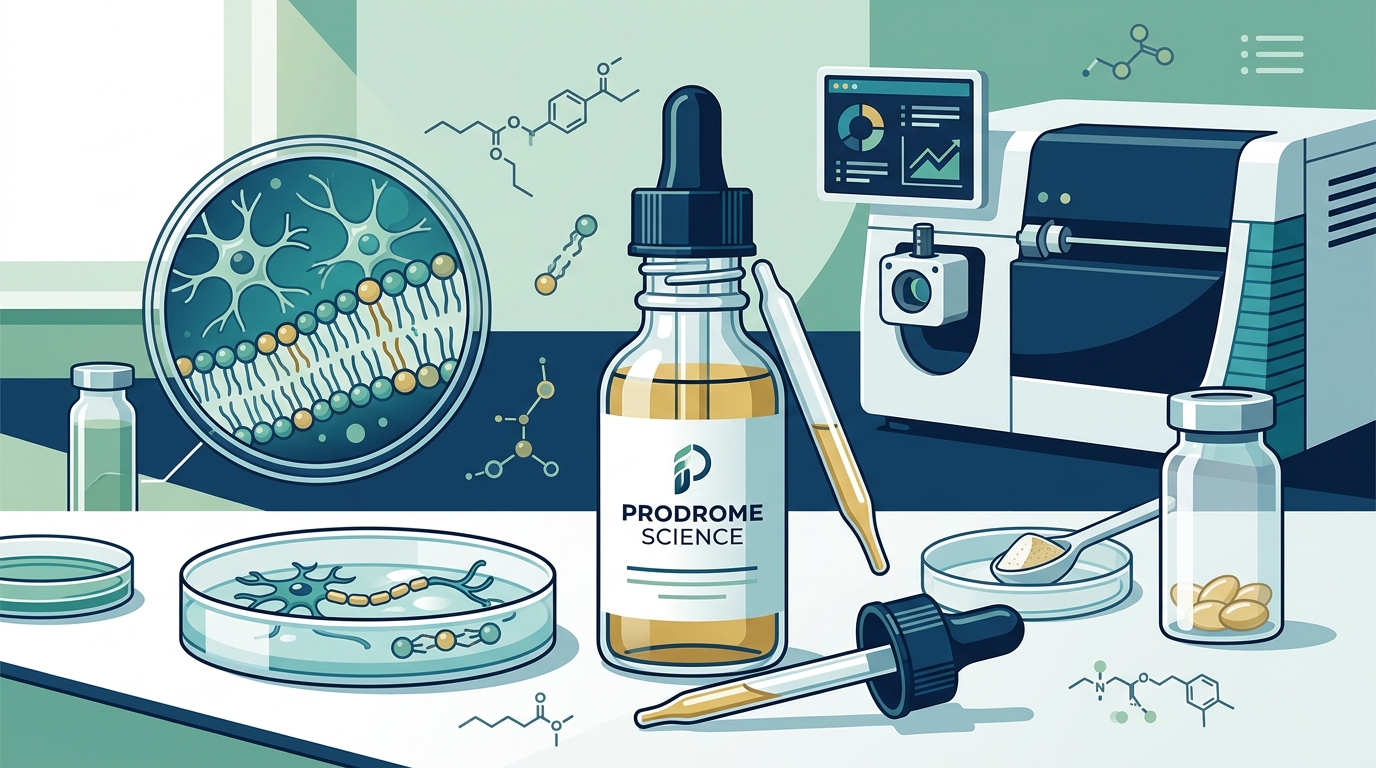
Plasmalogens are specialized lipids that form a critical protective layer around every cell in your body, including the billions of neurons in your brain. Research indicates that these molecules are essential for maintaining membrane fluidity, facilitating cellular communication, and protecting neural tissue from oxidative stress. When plasmalogen levels drop, cognitive function can decline, leading to brain fog, memory loss, and increased vulnerability to neurodegenerative conditions.
Understanding Plasmalogen Deficiency
Plasmalogen deficiency is not a single disease but a physiological state where the body fails to produce or maintain adequate levels of these vital lipids. Scientific literature confirms that plasmalogens constitute a significant portion of the phospholipids in brain tissue, particularly in the myelin sheaths that insulate nerve fibers. Without sufficient plasmalogens, nerve signals slow down, and cells become susceptible to damage from free radicals.
Plasmalogens are unique because they contain a vinyl-ether bond at the sn-1 position of the glycerol backbone. This chemical structure makes them highly reactive to oxidative stress, allowing them to act as sacrificial antioxidants. They absorb harmful reactive oxygen species before those molecules can damage DNA or proteins. As we age, the body's ability to synthesize new plasmalogens declines sharply. This natural decline is often accelerated by chronic inflammation, poor diet, and environmental toxins.
The consequences of this deficiency are profound. In the brain, low plasmalogen levels are strongly correlated with cognitive impairment and neurodegenerative diseases such as Alzheimer's. The brain consumes a disproportionate amount of oxygen, making it uniquely vulnerable to oxidative damage. When plasmalogen reserves are depleted, the brain loses its primary defense mechanism against this metabolic byproduct. This leads to neuronal dysfunction, synaptic loss, and ultimately, cognitive decline.
Identifying the root cause of your deficiency is the first step toward restoration. Factors such as genetic variations in lipid metabolism, chronic stress, and exposure to endocrine disruptors can all impair the body's natural plasmalogen production pathways. Understanding these factors allows for a targeted approach to restoration rather than a generic supplement regimen.
Diagnostic Methods and Testing
Traditional blood tests often fail to detect plasmalogen deficiency because standard lipid panels do not measure specific lipid subclasses. Advanced lipidomics research has shown that plasma plasmalogen levels correlate with brain plasmalogen levels, making blood testing a viable non-invasive diagnostic tool. The ProdromeScan blood test kit provides a precise measurement of your current plasmalogen status, allowing you to establish a baseline before beginning any intervention.
Testing typically involves measuring the levels of specific plasmalogen species, such as PE-P and PC-P plasmalogens. These measurements provide a quantitative snapshot of your lipid health. Without this data, any supplementation strategy is essentially a guess. You might be taking high doses of supplements that are not addressing your specific deficiency profile.
Interpreting these results requires context. Normal ranges can vary based on age, sex, and overall health status. A young adult with low plasmalogen levels may have a different underlying cause than an older adult with similar levels. Clinical guidelines suggest that plasmalogen levels should be monitored regularly to track the efficacy of any intervention. This data-driven approach ensures that you are making progress and adjusting your protocol as needed.
Many individuals experience cognitive symptoms long before their levels drop into a clinically critical range. Early detection through regular testing allows for proactive management. By catching the decline early, you can implement lifestyle and supplementation changes that prevent significant cognitive impairment. This proactive stance is far more effective than waiting for symptoms to become severe.
Supplementation Strategies
Direct supplementation is the most effective way to restore plasmalogen levels when dietary intake is insufficient. Prodrome offers a range of scientifically formulated plasmalogen supplements designed to support brain health and cellular function. These supplements provide the body with the raw materials it needs to rebuild its lipid defenses.
Plasmalogen supplements come in various forms, including softgels and oils. Softgels offer precise dosing and ease of use, while oils may provide faster absorption for some individuals. ProdromeGlia is a specialized formulation that combines plasmalogens with other neuroprotective compounds to enhance cognitive support. Choosing the right product depends on your specific health goals and tolerance.
Consistency is key when supplementing with plasmalogens. Unlike some nutrients that show immediate effects, lipid restoration is a gradual process. It takes time for the body to incorporate new plasmalogens into cell membranes. Studies indicate that it may take several months of consistent supplementation to see significant changes in cognitive function and blood lipid profiles. Patience and adherence to the protocol are essential.
Dosage should be tailored to your individual needs. Factors such as body weight, severity of deficiency, and overall health status influence the optimal dose. Starting with a moderate dose and gradually increasing it can help minimize potential side effects and allow your body to adjust. Always consult with a healthcare provider to determine the appropriate dosage for your situation.
Dietary Support for Synthesis
While supplementation is powerful, supporting your body's natural plasmalogen synthesis is equally important. Nutritional science highlights that certain dietary components are essential precursors for plasmalogen production. Choline, for example, is a critical building block for PC-P plasmalogens. Including choline-rich foods in your diet can support your body's ability to produce these vital lipids.
Other essential nutrients include folate, vitamin B12, and methionine. These nutrients are involved in the methylation cycle, which is crucial for lipid metabolism. A deficiency in any of these B vitamins can impair plasmalogen synthesis. Research shows that individuals with low B vitamin levels often have lower plasmalogen levels, suggesting a strong link between nutrition and lipid health.
Avoiding foods that promote inflammation is also critical. Chronic inflammation consumes plasmalogens as they work to neutralize oxidative stress. By reducing inflammatory triggers such as processed sugars, trans fats, and excessive omega-6 fatty acids, you can spare your plasmalogen reserves. This allows your body to focus on repair and maintenance rather than constant defense.
Hydration and gut health also play a role in lipid absorption. A healthy gut microbiome ensures that nutrients are properly absorbed and utilized. Probiotics and prebiotics can support gut health, indirectly supporting your lipid profile. Emerging evidence suggests a strong connection between gut health and brain function, further emphasizing the importance of a holistic approach to plasmalogen restoration.
Lifestyle Factors and Oxidative Stress
Lifestyle choices have a profound impact on plasmalogen levels. Chronic stress elevates cortisol levels, which can disrupt lipid metabolism and increase oxidative stress. Psychological studies confirm that long-term stress is associated with lower plasmalogen levels in the brain. Managing stress through mindfulness, meditation, or yoga can help protect your lipid reserves.
Sleep is another critical factor. During deep sleep, the brain clears out metabolic waste products and repairs cellular damage. Poor sleep quality or insufficient sleep duration can impair this process, leading to increased oxidative stress and plasmalogen depletion. Prioritizing seven to nine hours of quality sleep each night is essential for cognitive health and lipid maintenance.
Regular physical exercise also supports plasmalogen health. Exercise increases blood flow to the brain, delivering oxygen and nutrients necessary for lipid synthesis. It also reduces inflammation and oxidative stress, sparing plasmalogens from unnecessary consumption. Exercise physiology research demonstrates that active individuals often have better lipid profiles and cognitive function than sedentary individuals.
Environmental toxins such as heavy metals and pesticides can also deplete plasmalogens. These toxins generate free radicals that consume plasmalogen reserves. Minimizing exposure to these toxins by choosing organic foods, filtering water, and using natural cleaning products can help protect your lipid health. Environmental health studies highlight the cumulative impact of toxin exposure on brain health.
Key Takeaways
- Plasmalogens are essential lipids that protect brain cells from oxidative damage and support cognitive function.
- Deficiency is linked to cognitive decline and neurodegenerative diseases, making restoration critical for long-term brain health.
- Testing via specialized blood kits like ProdromeScan provides accurate baseline data for personalized intervention.
- Direct supplementation with high-quality plasmalogen oils or softgels is the most effective method for rapid restoration.
- Dietary precursors like choline and B vitamins are necessary to support the body's natural synthesis pathways.
- Lifestyle factors including stress management, sleep quality, and exercise significantly impact plasmalogen levels.
- Consistent monitoring and adjustment of your protocol ensure ongoing cognitive protection and lipid health.
Frequently Asked Questions
How long does it take to fix a plasmalogen deficiency?
Restoring plasmalogen levels is a gradual process that typically takes several months of consistent supplementation and lifestyle changes. Clinical observations suggest that significant improvements in cognitive function may be noticed after three to six months of protocol adherence.
Can diet alone fix a plasmalogen deficiency?
While a nutrient-rich diet supports plasmalogen synthesis, it is often insufficient to correct a significant deficiency. Nutritional biochemistry indicates that direct supplementation is usually required to raise levels to optimal ranges, especially in older adults or those with genetic impairments.
What is the best form of plasmalogen supplement?
Both plasmalogen oils and softgels are effective, but the choice depends on personal preference and absorption needs. Prodrome provides both options to ensure accessibility and efficacy for different user profiles.
Are there any side effects to plasmalogen supplementation?
Plasmalogens are naturally occurring lipids, so side effects are rare. Safety studies confirm that they are well-tolerated by most individuals. However, starting with a lower dose and gradually increasing it can help minimize any potential digestive discomfort.
How do I know if I have a plasmalogen deficiency?
The only reliable way to know is through specialized blood testing. ProdromeScan measures specific plasmalogen species to provide a clear picture of your lipid health. Symptoms like brain fog or memory loss can be indicators but are not definitive proof.
Can plasmalogen supplements prevent Alzheimer's disease?
While plasmalogens play a crucial role in brain health, they are not a guaranteed prevention for Alzheimer's. Research suggests that maintaining healthy plasmalogen levels is a protective factor that may reduce risk or delay onset, but it is part of a broader strategy that includes diet, exercise, and cognitive engagement.
Do I need to take plasmalogens every day?
Yes, daily supplementation is recommended to maintain consistent levels. Pharmacokinetic studies show that plasmalogens have a relatively short half-life in the blood, requiring regular intake to sustain optimal concentrations in cell membranes.
Start Your Protocol
Restoring your plasmalogen levels is an investment in your long-term cognitive health and vitality. By combining targeted supplementation with lifestyle changes, you can protect your brain from oxidative damage and support optimal function. Begin with a ProdromeScan to establish your baseline, then explore our range of plasmalogen supplements to find the right fit for your needs. Take control of your brain health today by visiting prodrome.com to learn more and start your journey.