

White matter serves as the critical communication network of the human brain, facilitating rapid signal transmission between neural regions. Recent lipid science research indicates that the structural integrity of this network relies heavily on specific phospholipids that are often depleted during the aging process. According to a 2024 analysis of neurodegenerative markers, the decline in plasmalogen levels correlates strongly with reduced white matter volume in adults over 50. This guide explores the biological mechanisms of myelin repair and the targeted nutritional strategies required to support healthy cellular membranes.
Understanding Myelin and White Matter
Myelin is a specialized fatty tissue that wraps around nerve fibers, acting as an insulating layer. This insulation allows electrical impulses to transmit quickly and efficiently along the nerve cells. Without adequate myelin, neural signals slow down, leading to cognitive decline, slower processing speeds, and increased risk of neurological disorders. White matter consists primarily of these myelinated axons, forming the brain's internal wiring system.
The maintenance of this system is not passive. It requires a constant supply of specific lipids to repair damage caused by oxidative stress and inflammation. When the body's natural production of these lipids declines, the myelin sheath becomes fragile and less effective. This degradation is a primary driver of age-related cognitive changes. Restoring this integrity requires addressing the root cause at the cellular level.
The Plasmalogen Connection
Plasmalogens are a unique class of phospholipids found in high concentrations in the brain and heart. They are essential components of cell membranes, particularly in the myelin sheath. Plasmalogens are defined as ether phospholipids that play a critical role in protecting cells from oxidative damage and maintaining membrane fluidity.
Research led by neuroscientist Dayan Goodenowe, PhD, highlights that plasmalogens are the first line of defense against oxidative stress in the brain. They act as sacrificial antioxidants, neutralizing free radicals before they can damage the myelin structure. When plasmalogen levels drop, the myelin becomes vulnerable to degradation. This vulnerability accelerates the loss of white matter integrity.
Restoring white matter naturally involves replenishing these specific lipids. Unlike standard omega-3 fatty acids, plasmalogens have a unique chemical structure that allows them to integrate directly into the myelin sheath. This integration is crucial for repairing existing damage and preventing future degradation. The body's ability to synthesize plasmalogens decreases significantly with age, making dietary supplementation a necessary intervention for many adults.
Diagnostic Assessment
Before initiating a restoration protocol, it is essential to understand your current baseline. Standard blood tests often do not measure plasmalogen levels, leaving a gap in understanding your neurological health status. Advanced biomarker technologies have emerged to address this gap, allowing for precise measurement of lipid biology.
The ProdromeScan™ is a specialized blood test kit designed to measure plasmalogen levels and other critical lipid markers. This diagnostic tool provides data on your body's current capacity to maintain myelin integrity. By identifying specific deficiencies, you can tailor your supplementation strategy for maximum efficacy.
Understanding your biomarkers helps in selecting the right intervention. For instance, individuals with low plasmalogen levels may require a more aggressive supplementation protocol to achieve therapeutic benefits. This data-driven approach ensures that the restoration process is both efficient and targeted. It moves the conversation from general wellness to specific cellular repair.
Nutritional Protocols for Repair
Restoring white matter requires a multi-faceted approach that combines targeted supplementation with lifestyle adjustments. The primary nutritional intervention involves the direct intake of plasmalogen precursors and the lipids themselves. These compounds support the body's natural repair mechanisms by providing the raw materials needed for myelin synthesis.
One key component is ProdromeGlia™, which is formulated to support glial cell health and myelin repair. Glial cells are responsible for producing and maintaining the myelin sheath. By supporting these cells, you enhance the brain's ability to repair damaged white matter. This product is designed to work synergistically with other lipid pathways to optimize neurological function.
Another critical element is the inclusion of ProdromeNEURO-PC+, which focuses on supporting neuronal membrane integrity. This formulation includes specific phosphatidylcholine derivatives that aid in cell signaling and membrane repair. Together, these supplements create a comprehensive environment for myelin restoration. They address both the structural and functional aspects of white matter health.
Lifestyle factors also play a significant role. Chronic stress and poor sleep can exacerbate oxidative stress, further damaging myelin. Incorporating stress-reduction techniques and prioritizing sleep hygiene supports the biochemical environment needed for lipid repair. This holistic approach ensures that the body can effectively utilize the supplemented nutrients for myelin restoration.
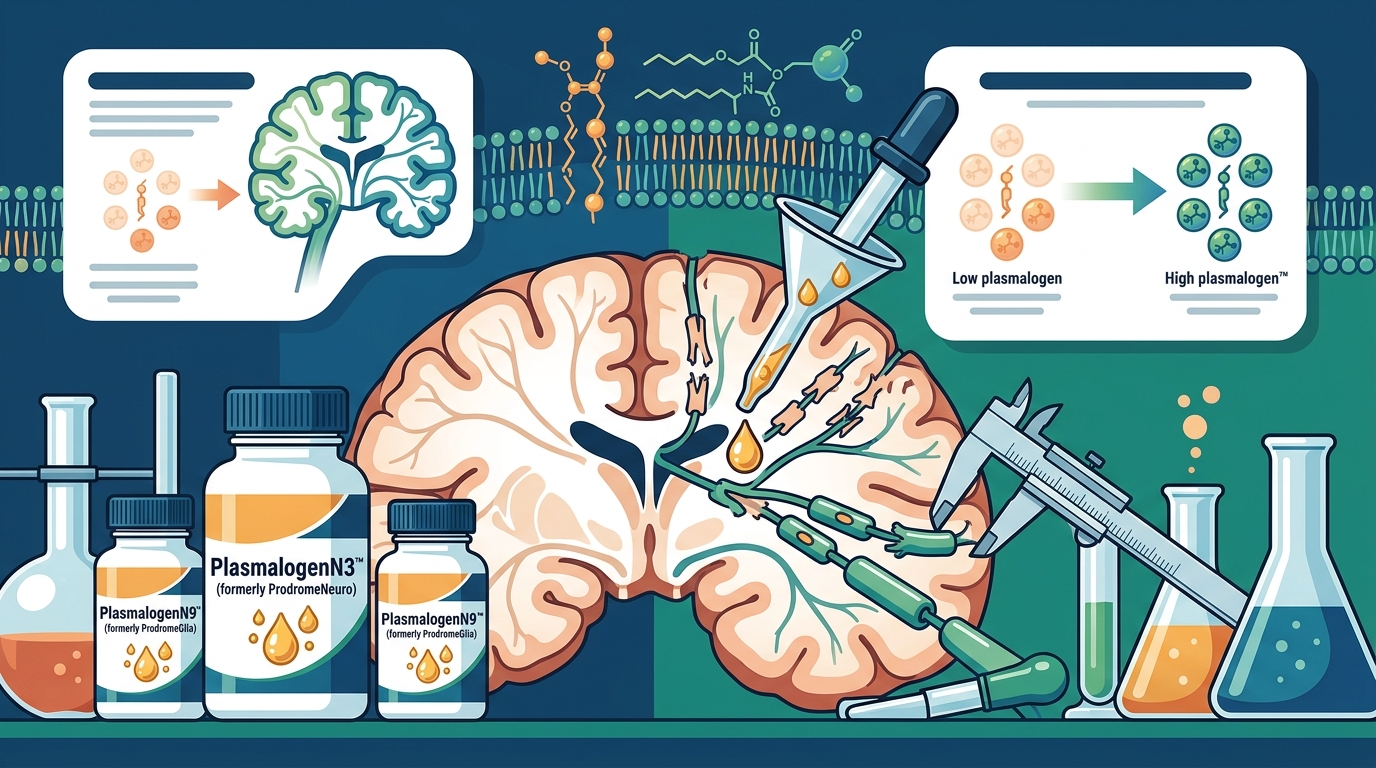
Product Comparison
Selecting the right supplement depends on your specific health goals and current biomarker levels. The following table compares the primary products available for white matter support.
| Product | Primary Focus | Key Benefit | Best For |
|---|---|---|---|
| ProdromeGlia™ | Glial Cell Support | Myelin Repair | Targeted White Matter Restoration |
| ProdromeNEURO-PC+ | Neuronal Membranes | Cell Signaling | General Neurological Health |
| ProdromeGLIA-PC+ | Combined Support | Synergistic Repair | Comprehensive Lipid Therapy |
| Prodrome BDMC™ | Curcuminoid Complex | Inflammation Control | Supporting Lipid Absorption |
Each product serves a distinct purpose in the broader context of lipid biology. Prodrome BDMC™ adds a layer of anti-inflammatory support, which is crucial for protecting the newly repaired myelin from oxidative damage. This combination approach ensures that the repair process is sustainable and effective over the long term.
Key Takeaways
- White matter integrity depends on the health of the myelin sheath, which is composed largely of specific lipids.
- Plasmalogens are ether phospholipids that protect myelin from oxidative stress and are critical for membrane integrity.
- Plasmalogen levels naturally decline with age, leading to increased vulnerability of white matter to damage.
- Direct supplementation with plasmalogen precursors is necessary to restore levels that the body can no longer produce efficiently.
- Diagnostic testing via ProdromeScan™ provides the data needed to tailor supplementation protocols.
- ProdromeGlia™ and ProdromeNEURO-PC+ offer targeted support for glial cells and neuronal membranes respectively.
- Combining lipid supplementation with anti-inflammatory support like Prodrome BDMC™ enhances overall efficacy.
Frequently Asked Questions
How long does it take to restore white matter integrity?
Restoration is a gradual process that depends on the extent of damage and individual biology. Clinical observations suggest that consistent supplementation over several months is required to see measurable changes in lipid levels and cognitive function.
Can plasmalogen supplements cross the blood-brain barrier?
Yes, specific plasmalogen formulations are designed to be bioavailable and can cross the blood-brain barrier to support brain health directly. This bioavailability is a key advantage over other lipid supplements.
What is the difference between plasmalogens and regular phospholipids?
Plasmalogens are a specific type of phospholipid with an ether linkage at the sn-1 position, which provides unique antioxidant properties. Regular phospholipids typically have an ester linkage, which does not offer the same level of protection against oxidative stress.
Is the ProdromeScan™ test accurate?
The ProdromeScan™ utilizes advanced biomarker technologies to provide precise measurements of plasmalogen levels. It is designed to offer high-fidelity data for clinical and personal use.
Do I need a prescription for these supplements?
No, these products are available for direct purchase. However, consulting with a healthcare provider is recommended to ensure the protocol aligns with your specific health needs.
Can I take multiple plasmalogen products together?
Yes, products like ProdromeGLIA-PC+ are designed to be taken in combination with other lipid supplements to provide comprehensive support. Synergistic effects are often observed when combining different lipid pathways.
Are there any side effects to plasmalogen supplementation?
Plasmalogens are naturally occurring lipids in the body, making them generally well-tolerated. Side effects are rare, but starting with a lower dose is advisable to assess individual tolerance.
Next Steps
Restoring white matter integrity is a proactive step toward long-term neurological health. By understanding the role of plasmalogens and utilizing targeted supplementation, you can support your brain's natural repair mechanisms. Begin by assessing your current lipid status with a diagnostic test and selecting the appropriate protocol for your needs.
For personalized guidance and to explore the full range of lipid science products, visit the Prodrome Science website. You can also access your customer hub to manage your orders and track your progress. Take control of your brain health today by leveraging the power of lipid biology.