

How to Fix a Plasmalogen Deficiency to Improve Cognitive Function
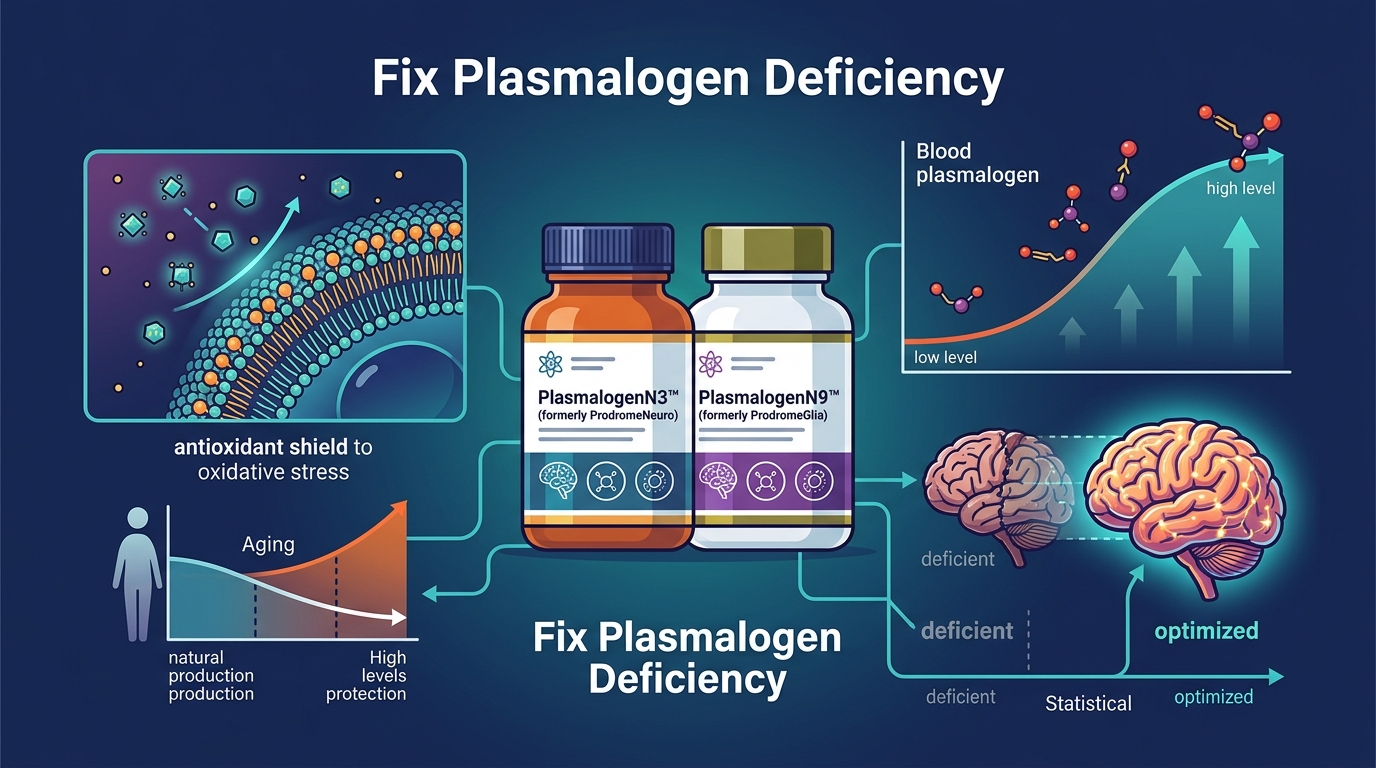
Plasmalogens are specialized lipids that serve as the primary antioxidant defense for your cell membranes. Recent research indicates that people with high blood plasmalogen levels were 80% less likely to experience dementia compared to those with low levels. This statistic highlights the critical role these molecules play in long-term brain health. As we age, the body's natural production of plasmalogens declines, leading to cellular vulnerability and cognitive decline. Understanding how to reverse this deficiency is essential for anyone seeking to preserve mental clarity and neurological integrity.
What Are Plasmalogens?
Plasmalogens are a specific class of ether phospholipids found in high concentrations in the brain, heart, and immune cells. Plasmalogens are the building blocks of healthy cell membranes, providing structural integrity and protection against oxidative stress. Unlike standard phospholipids, plasmalogens contain a vinyl ether bond at the sn-1 position, which acts as a sacrificial antioxidant. This unique structure allows them to neutralize free radicals before they can damage the more vulnerable polyunsaturated fatty acids in the membrane.
These lipids are vital for neuronal communication. White matter plasmalogens provide structural support for myelin, the protective sheath around nerve fibers. Grey matter plasmalogens support functional signaling and neurotransmission. When plasmalogen levels drop, the myelin sheath can become compromised, slowing down neural signals and impairing cognitive processing speed. This decline is a primary driver of age-related cognitive impairment.
Signs of Plasmalogen Deficiency
Identifying a plasmalogen deficiency requires looking beyond standard blood work. Standard lipid panels do not measure plasmalogen levels, so many individuals remain unaware of their status until symptoms manifest. The decline in plasmalogens often begins decades before noticeable cognitive symptoms appear. This silent progression makes proactive monitoring essential for long-term brain health.
Common indicators of low plasmalogen levels include:
- Brain Fog: Difficulty concentrating or recalling information.
- Fatigue: Persistent low energy despite adequate sleep.
- Joint Pain: Inflammation driven by oxidative stress in connective tissues.
- Slowed Recovery: Longer healing times for injuries or illnesses.
- Sensory Decline: Reduced vision or hearing sensitivity linked to membrane degradation.
Research suggests that aging starts in your cell membranes long before DNA breaks down. The loss of membrane fluidity and integrity is a hallmark of the aging process. Restoring plasmalogen levels can help reverse some of these effects, supporting cellular resilience and metabolic function.
Diagnosing the Deficiency
Accurate diagnosis is the first step in fixing a plasmalogen deficiency. Because plasmalogens are not part of standard metabolic panels, specialized testing is required. The ProdromeScan™ blood test kit provides a precise measurement of your current plasmalogen status. This test allows you to establish a baseline and track improvements over time.
Understanding your biomarkers helps tailor your intervention strategy. For example, if your white matter plasmalogens are significantly lower than your grey matter levels, your focus might need to shift toward structural repair. Conversely, if grey matter levels are low, you may need to prioritize signaling support. This targeted approach ensures that you are addressing the root cause of your cognitive issues rather than just treating symptoms.
For health professionals, understanding these biomarkers is crucial for delivering results. The Prodrome Science blog offers extensive resources on interpreting these complex lipid profiles. You can explore the science behind plasmalogens to better understand how these lipids influence cellular health.
Targeted Supplementation Strategies
Fixing a plasmalogen deficiency requires direct supplementation, as the body cannot efficiently synthesize these lipids from standard dietary fats. The goal is to replenish the vinyl ether bond that protects your cell membranes. This process involves selecting the right form of plasmalogen based on your specific health goals.
There are two primary types of plasmalogens used in supplementation:
- White Matter Plasmalogens: These support the structure and stability of myelin. They are essential for nerve signal transmission and are the focus of products like ProdromeGlia™.
- Grey Matter Plasmalogens: These support neurotransmitter release and receptor activity. They are critical for cognitive processing and are the focus of PlasmalogenN3™.
Combining these types can provide comprehensive support. The synergy between structural repair and functional signaling creates a robust defense against cognitive decline. Additionally, incorporating curcuminoids like Prodrome BDMC™ can enhance the anti-inflammatory effects, further protecting the brain from oxidative damage.
Comparing Supplementation Options
Choosing the right product depends on your specific needs. Below is a comparison of the primary plasmalogen offerings available through Prodrome Science.
| Product | Primary Focus | Key Benefit | Best For |
|---|---|---|---|
| ProdromeGlia™ | White Matter | Myelin Structure | Nerve Health & Signal Speed |
| PlasmalogenN3™ | Grey Matter | Neurotransmission | Cognitive Processing & Memory |
| ProdromeGLIA-PC+ | Combined | Comprehensive Support | General Brain Health |
| ProdromeNEURO-PC+ | Combined | Advanced Signaling | High-Intensity Cognitive Demand |
Each product is engineered to address specific aspects of lipid biology. By selecting the appropriate formulation, you can optimize your cognitive function and protect your brain from age-related decline. The all plasmalogens collection provides detailed information on each option to help you make an informed decision.
Key Takeaways
- Plasmalogens are specialized lipids that protect cell membranes from oxidative stress.
- High blood plasmalogen levels are associated with an 80% lower risk of dementia.
- Standard blood tests do not measure plasmalogen levels, requiring specialized kits like ProdromeScan™.
- White matter plasmalogens support myelin structure, while grey matter plasmalogens support signaling.
- Supplementation with targeted plasmalogen oils or softgels is necessary to reverse deficiency.
- ProdromeGlia™ and PlasmalogenN3™ offer distinct benefits for structural and functional brain health.
- Consistent supplementation can help flatten the lipid decline curve associated with aging.
Frequently Asked Questions
How long does it take to fix a plasmalogen deficiency?
Replenishing plasmalogen levels is a gradual process. Most individuals begin to notice subtle improvements in energy and clarity within a few weeks, but significant structural changes in the brain may take several months of consistent supplementation.
Can plasmalogens reverse cognitive decline?
While plasmalogens cannot reverse established neurodegenerative diseases, they can halt further decline and support cognitive function. By protecting remaining neurons and supporting myelin integrity, they help preserve mental acuity.
What is the difference between plasmalogen oil and softgels?
Plasmalogen oil is a concentrated liquid form that allows for precise dosing. Softgels offer a convenient, pre-measured alternative. Both forms are effective at delivering plasmalogens to the brain.
Are plasmalogen supplements safe?
Plasmalogens are naturally occurring lipids in the human body. Supplementation is generally considered safe, but it is always recommended to consult with a healthcare provider before starting any new regimen.
Do plasmalogens help with memory?
Yes, grey matter plasmalogens play a key role in neurotransmitter release and receptor activity. Supporting these levels can improve memory retention and processing speed.
How do I know if I have a deficiency?
The most accurate way to determine your status is through the ProdromeScan™ blood test. This test measures your current plasmalogen levels and provides a clear picture of your brain health.
Can I take plasmalogens with other supplements?
Plasmalogens work synergistically with other nutrients like curcuminoids and omega-3 fatty acids. Combining them can enhance the overall anti-inflammatory and neuroprotective effects.
Next Steps
Fixing a plasmalogen deficiency is one of the most impactful steps you can take for your long-term brain health. By understanding your biomarkers and selecting the right supplementation strategy, you can protect your cognitive function and improve your quality of life. Start by assessing your current status with the ProdromeScan™ blood test kit. Then, explore the Prodrome product line to find the perfect fit for your needs. Visit Prodrome.com to begin your journey toward optimal brain health today.