

Cellular health relies on a delicate balance of specialized lipids that maintain membrane integrity and support cognitive function. While many focus on general omega intake, the specific structural roles of Docosahexaenoic Acid (DHA) and Oleic Acid are often misunderstood. Recent lipidomics research highlights that these two fatty acids serve fundamentally different purposes in the body. Understanding their unique contributions is essential for anyone looking to optimize their neurological resilience and long-term brain health.
What Are DHA and Oleic Acid?
To understand how these fatty acids impact your health, we must first define their chemical nature and biological origin. DHA is a long-chain omega-3 polyunsaturated fatty acid that is critical for the development and maintenance of the brain and retina. It is primarily found in the phospholipids of neuronal membranes, where it influences fluidity and signal transduction.
Oleic acid is a monounsaturated omega-9 fatty acid that serves as a primary component of cell membranes and a source of energy. Unlike DHA, oleic acid is more stable and is abundant in olive oil, avocados, and certain animal fats. It plays a crucial role in maintaining the structural integrity of lipid bilayers without the high susceptibility to oxidation seen in polyunsaturated fats.
While both are essential for cellular function, they operate in different domains. DHA is the dynamic player in neural signaling, while oleic acid provides the stable foundation for membrane resilience. This distinction is vital when considering how to support cognitive health as we age.
DHA: The Architect of Brain Structure
Docosahexaenoic Acid (DHA) is perhaps the most well-known lipid in the context of brain health. It constitutes a significant portion of the gray matter in the human brain. The high concentration of DHA in neuronal membranes allows for the flexibility required for synaptic transmission. Without adequate DHA, the communication between neurons can become sluggish, potentially impacting cognitive processing speed.
Research indicates that DHA levels in the brain decline with age, a process that correlates with increased vulnerability to neurodegenerative conditions. According to data from the National Institutes of Health, adequate DHA intake is associated with a reduced risk of cognitive decline in older adults. This suggests that maintaining high levels of this specific omega-3 is not just beneficial but necessary for long-term neurological preservation.
Furthermore, DHA is a precursor to specialized pro-resolving mediators (SPMs). These compounds actively resolve inflammation in neural tissues. In a healthy brain, inflammation is a normal response to injury, but chronic neuroinflammation is a hallmark of diseases like Alzheimer's. By supporting the production of SPMs, DHA helps keep the neural environment clean and functional.
However, DHA is chemically unstable. As a polyunsaturated fatty acid with multiple double bonds, it is highly susceptible to lipid peroxidation. This means that without adequate antioxidant protection, DHA can be damaged before it even integrates into cell membranes. This is where the role of other lipids, such as plasmalogens, becomes critical.
Oleic Acid: The Membrane Stabilizer
Oleic acid offers a different type of protection. As a monounsaturated fat, it has only one double bond, making it significantly more resistant to oxidation than DHA. This stability allows oleic acid to reinforce cell membranes, providing a robust barrier against environmental stressors. It is a key component of the myelin sheath, the protective coating around nerve fibers that ensures rapid signal transmission.
Studies on Mediterranean diets, which are rich in oleic acid, show significant benefits for cardiovascular and cognitive health. According to a study published in the journal Neurology, higher intake of monounsaturated fats is linked to better cognitive performance and a lower risk of dementia. This highlights the importance of oleic acid not just as an energy source, but as a structural building block for healthy nerves.
Additionally, oleic acid helps regulate the fluidity of cell membranes. While DHA increases fluidity to allow for dynamic signaling, oleic acid prevents membranes from becoming too fluid or too rigid. This balance is essential for proper receptor function and nutrient transport across the cell wall. Without this stability, cells become vulnerable to damage and dysfunction.
For individuals looking to support their brain health, incorporating oleic acid through dietary sources like extra virgin olive oil or avocados is a practical strategy. However, for those with specific lipid deficiencies, targeted supplementation may be necessary to achieve therapeutic levels.
The Plasmalogen Synergy
The true power of DHA and oleic acid is realized when they work in concert with plasmalogens. Plasmalogens are a specialized class of phospholipids that serve as the body's first line of defense against oxidative stress. They are particularly abundant in the brain and heart, where oxidative damage is most detrimental.
Plasmalogens protect DHA from peroxidation. By sacrificing themselves to free radicals, plasmalogens preserve the integrity of DHA-rich membranes. This synergy is critical because DHA alone cannot provide sufficient antioxidant protection. Without plasmalogens, the very lipid that supports brain function could become a source of cellular damage.
Prodrome Science has dedicated over 30 years to researching this lipid biology. Their work highlights that plasmalogen levels decline significantly with age, leading to a cascade of cellular dysfunction. By supplementing with plasmalogens, individuals can restore this protective layer, allowing DHA and oleic acid to function more effectively. This approach moves beyond simple nutrient replacement to address the underlying mechanisms of cellular aging.
The relationship between these lipids is not just theoretical. Clinical observations suggest that patients with higher plasmalogen levels report better cognitive clarity and physical resilience. This underscores the importance of a holistic lipid profile rather than focusing on a single nutrient in isolation.
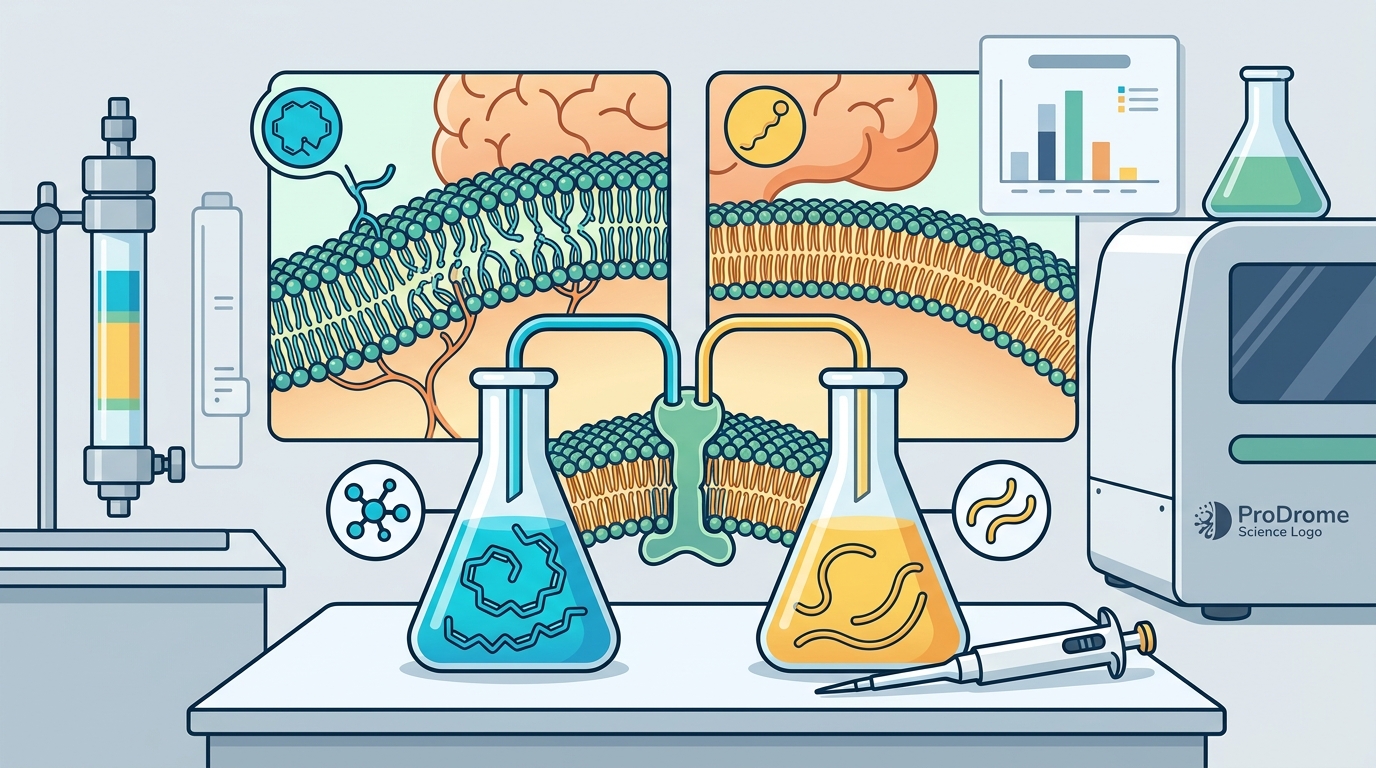
Comparing Lipid Profiles
Understanding the differences between DHA and oleic acid can help you make informed decisions about your health. The table below summarizes their key characteristics and biological roles.
| Feature | DHA (Omega-3) | Oleic Acid (Omega-9) | Plasmalogens |
|---|---|---|---|
| Primary Role | Neuronal signaling and brain structure | Membrane stability and energy | Antioxidant defense and repair |
| Chemical Structure | Polyunsaturated (multiple double bonds) | Monounsaturated (one double bond) | Vinyl-ether phospholipid |
| Oxidation Risk | High | Low | Very Low (sacrificial) |
| Key Benefit | Supports memory and cognitive function | Reinforces myelin sheath integrity | Protects against cellular aging |
| Source | Fatty fish, algae | Olive oil, avocados | Endogenous production, supplements |
Key Takeaways
- DHA is essential for gray matter: It makes up a large portion of the brain's structural lipids and is critical for synaptic plasticity.
- Oleic acid stabilizes membranes: Its monounsaturated structure provides resistance to oxidation while maintaining membrane fluidity.
- Plasmalogens protect DHA: These specialized lipids act as antioxidants, preventing DHA from being damaged by free radicals.
- Aging reduces lipid levels: Plasmalogen and DHA levels naturally decline with age, increasing the risk of cognitive decline.
- Dietary sources matter: Consuming olive oil and fatty fish provides the building blocks for healthy cell membranes.
- Testing reveals deficiencies: Tools like the ProdromeScan™ can help identify specific lipid imbalances.
- Comprehensive support is key: Combining DHA, oleic acid, and plasmalogens offers the most robust approach to brain health.
Frequently Asked Questions
Can I take DHA and oleic acid together?
Yes, they work synergistically. DHA provides the dynamic signaling components, while oleic acid offers structural stability. Together, they support a healthy lipid bilayer.
Why are plasmalogens important if I take DHA?
Plasmalogens protect DHA from oxidation. Without this protection, DHA can be damaged by free radicals, reducing its effectiveness and potentially causing cellular stress.
What is the best source of oleic acid?
Extra virgin olive oil is one of the richest dietary sources of oleic acid. Avocados and nuts also provide significant amounts of this stable monounsaturated fat.
How does DHA affect memory?
DHA is crucial for the formation of new synaptic connections. Adequate levels support neuroplasticity, which is the brain's ability to learn and retain information.
Can plasmalogen supplements replace DHA?
No, they serve different functions. Plasmalogens protect the membrane, while DHA is a key structural component of that membrane. Both are needed for optimal health.
How do I know if I have a lipid deficiency?
Blood testing, such as the ProdromeScan™, can measure your levels of plasmalogens, DHA, and other lipids to identify specific gaps in your profile.
Is oleic acid an omega-3?
No, oleic acid is an omega-9 fatty acid. While it is beneficial for health, it does not have the same anti-inflammatory properties as omega-3s like DHA.
Optimize Your Lipid Health
The debate between DHA and oleic acid is not about choosing one over the other. It is about understanding how they complement each other to support your brain and body. By focusing on a comprehensive lipid strategy that includes plasmalogens, you can address the root causes of cellular aging and cognitive decline.
Prodrome Science offers advanced tools and supplements to help you navigate this complex landscape. From the ProdromeScan™ blood test to targeted plasmalogen supplements, you have the resources to take control of your health. Visit the Prodrome Shop to explore their range of products designed to support your lipid biology.
Don't wait for symptoms to appear. Start optimizing your lipid profile today and build a foundation for long-term brain health. Explore Prodrome's science to learn more about how you can support your cellular resilience.